Hosts making a shared brunch jug
If several guests will pour from one jug, the bottle’s mixing ratio and stated number of servings help you prepare a consistent batch and plan refills.


For a brunch jug, start with a flavour your guests are likely to enjoy, then use the bottle’s dilution instructions and stated servings to plan how much to make. Check the nutrition information for the prepared drink and the ingredient and allergy labels too: “no added sugar” does not mean a squash contains no naturally occurring sugars or sweeteners.
If several guests will pour from one jug, the bottle’s mixing ratio and stated number of servings help you prepare a consistent batch and plan refills.
Sweeteners and sulphites appear in several of the squash labels considered here. Check the current label rather than relying on the no-added-sugar wording when a guest has an ingredient restriction.
An adult squash choice does not settle what to serve children. The NHS identifies water and milk as the best drinks for children and advises against diet or reduced-sugar drinks for babies and toddlers.
Choose a flavour for the group, then check how that particular bottle is mixed; compare nutrition and ingredients for the drink as served.
| Priority | What to check | Your needs |
|---|---|---|
| Flavour | Look at the named fruit flavour rather than assuming all no-added-sugar squash tastes alike. Orange, blackcurrant and mixed-fruit options are represented here. | I’d like a flavour the group will drink, or a second option if guests prefer something other than orange. |
| Jug preparation | Follow the ratio on the bottle and check its stated servings. Tesco Groceries lists 1 part squash to 19 parts water for its Quadruple Strength Orange; its Robinsons Orange listing specifies 1 part to 4 parts water. | For a jug and possible refills, I want to know how much concentrate to measure before guests arrive. |
| Prepared drink | Compare nutrition using the stated diluted serving size, not concentrate figures or unlike portions. Tesco Groceries lists 0g sugars per 250ml diluted serving for Robinsons Orange; Waitrose & Partners lists 0.8g per 250ml for Vimto No Added Sugar. | “No added sugar” matters to me, but I also want to see the sugars declared for the drink in the glass. |
| Ingredients | Read the current ingredients and allergy information. Sainsbury’s lists aspartame, sodium bisulphite and a source-of-phenylalanine warning for Ribena Blackcurrant No Added Sugar. | If a guest avoids a particular sweetener or has a relevant allergy or dietary condition, I need to check the exact bottle before serving it. |
| Children’s drinks | Plan a separate drink choice for children. The NHS identifies water and milk as the best drinks for children and says diet or reduced-sugar drinks are not recommended for babies and toddlers. | With young children at the table, I’d offer water rather than assume the adults’ squash is suitable for them. |
Fruit-based squash can still declare sugars in the prepared drink, and the products here list sweeteners. The front-of-pack wording alone will not answer an ingredient-conscious guest’s question.
Read the ingredients and compare nutrition for the stated diluted serving. Check serving sizes before comparing figures from different bottles.
A 1:19 quadruple-strength squash takes a different amount of concentrate from a 1:4 squash. Using the wrong ratio changes the drink you serve and makes stated serving counts less useful for planning.
Measure the first jug using that bottle’s instructions, particularly if you switch between standard and quadruple-strength products.
Labels for the Robinsons and Tesco orange products list sulphites. The Sainsbury’s Ribena Blackcurrant listing also names sodium bisulphite and warns that it contains a source of phenylalanine.
Keep the current bottle label available so guests with allergies, phenylketonuria or other specific restrictions can check the product before drinking it.
No-added-sugar wording does not override age-specific drink advice. The NHS says diet or reduced-sugar drinks are not recommended for babies and toddlers.
Offer water with their meal instead, in line with NHS guidance.
These examples show how flavour, concentration and label details differ between specific squash products; a brand name alone does not establish the details of every variant.
Orange and summer-fruits no-added-sugar varieties offer different flavour directions. Check the format and instructions on the particular bottle.
Blackcurrant is an alternative to citrus for a brunch jug.
The Waitrose & Partners Vimto No Added Sugar listing offers a mixed-fruit option.
Tesco Quadruple Strength Orange Squash No Added Sugar is a concentrated orange option for hosts planning repeated pours.
These no-added-sugar squash options offer orange, blackcurrant, tropical fruit, summer-fruits and lemon flavours for a brunch table. Check each bottle’s preparation instructions and ingredients before making a shared jug.
 No image available
For an orange-flavoured brunch jug, the matching 1L product information states one part squash to four parts water and 20 servings. Tesco Groceries lists 0g sugars and 3 kcal per 250ml diluted serving for this product. The ingredients include sweeteners and sulphites; check the current label for guests with restrictions.
 No image available
A blackcurrant choice when guests prefer a berry flavour. Its product information directs one part squash to at least four parts water and lists sweeteners and sodium bisulphite. Check the bottle’s serving guidance when planning a jug; do not use the serving count or nutrition figures from a different Ribena bottle size.
 No image available
Pineapple and passion fruit provide a different flavour option for the table. Check the bottle’s dilution directions before estimating how much to make. Its product description lists aspartame, acesulfame K and sulphites, and states that it contains a source of phenylalanine.
 No image available
A mixed summer-fruits option instead of a single-fruit flavour. Check this bottle’s ratio and serving guidance before making a jug rather than transferring the instructions from Robinsons Orange. The product description lists sweeteners and sulphites; use the current label for ingredient checks.
 No image available
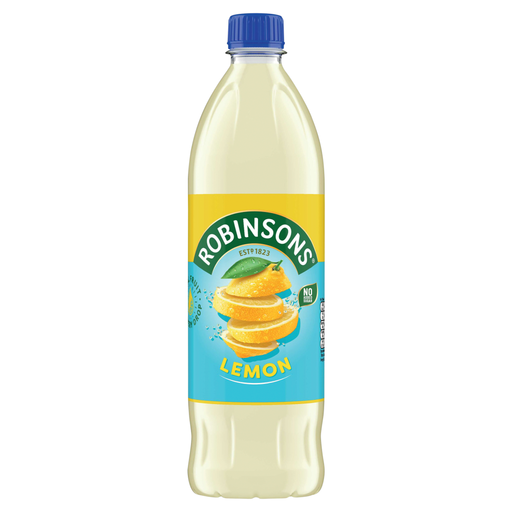
A lemon-flavoured option for guests who prefer citrus. The product information says to dilute it to the preferred strength; check the current bottle before estimating a jug quantity or comparing prepared-drink nutrition. Its description notes a source of phenylalanine, making the current ingredient label important for guests with relevant restrictions.
No. Check the nutrition information for the prepared drink as well as the ingredients. Waitrose & Partners lists 0.8g sugars per 250ml diluted serving for Vimto No Added Sugar, while Tesco Groceries lists 0.5g per 300ml prepared glass for its Quadruple Strength Orange No Added Sugar.
Use the ratio and serving guidance on the bottle you are pouring. Tesco Groceries specifies 1 part squash to 4 parts water for Robinsons Orange No Added Sugar, but 1 part to 19 parts water for Tesco Quadruple Strength Orange; the same measure of concentrate will not make the same jug with both.
The NHS says diet or reduced-sugar drinks are not recommended for babies and toddlers and advises offering sips of water from a cup with meals instead. It identifies water and milk as the best drinks for children generally.
Ask them to check the current bottle label before you serve the squash. The listed Robinsons Orange and Tesco Quadruple Strength Orange products contain sulphites; Sainsbury’s Ribena Blackcurrant listing names sodium bisulphite and carries a source-of-phenylalanine warning.
Yes. The Food Standards Agency says food additives approved for use in the UK must be listed on the label. Read the particular squash’s ingredients if a guest avoids a sweetener; the no-added-sugar claim does not tell you which sweeteners it contains.