Breakfast managers overseeing self-service drinks
Choose a bottle size and dilution method that fit breakfast demand, storage and staff preparation. A concentrated squash is useful only if the team can measure it consistently.


For a hotel breakfast buffet, a highly concentrated no-added-sugar squash suits staff-prepared service when the team can measure every batch consistently; Tesco’s quadruple-strength tropical example specifies 100 servings from 1.5L at a 1:19 dilution. A standard 1:4 squash is simpler to prepare in jugs, while a high-juice option offers a different fruit-juice profile. Whichever format you choose, compare nutrition for the diluted drink and check the current ingredients and allergen information before serving it.
Choose a bottle size and dilution method that fit breakfast demand, storage and staff preparation. A concentrated squash is useful only if the team can measure it consistently.
Check the nutrition panel for the prepared drink. No added sugar does not, by itself, tell guests whether the drink contains naturally occurring fruit sugars or sweeteners.
Keep current ingredient information for each squash served and make it accessible to guests. Product examples include drinks containing sulphites or barley, so the exact bottle matters.
Start with how staff will prepare the drink, then compare servings and nutrition on the manufacturer’s stated diluted-serving basis.
Choose when: Staff can measure each batch or use a controlled dispenser for a busy buffet.
Trade-off: Tesco’s quadruple-strength tropical squash calls for 1 part squash to 19 parts water, so free-pouring makes consistent preparation difficult.
Choose when: Staff prepare drinks in measured jugs and want a straightforward mixing instruction.
Trade-off: Robinsons single-strength lemon is labelled as 20 servings from 1L, rather than the 100 servings stated for Tesco’s 1.5L quadruple-strength example; serving sizes and dilution differ.
Choose when: Fruit-juice content is a selection priority; Sainsbury’s pink grapefruit example lists 50% fruit juice.
Trade-off: That product has 2.0g sugars per 250ml diluted serving, despite its no-added-sugar label.
| Priority | What to check | Your needs |
|---|---|---|
| Consistent servings | Check the bottle’s dilution ratio, stated serving size and servings per bottle. Decide how staff will measure each batch. | I need enough drinks for breakfast without different staff making noticeably different mixtures. |
| Prepared-drink nutrition | Compare sugars and energy for diluted servings of the same size. Check fruit-juice content separately from the no-added-sugar claim. | Guests should be able to understand what is in the drink as served, including any naturally occurring sugars. |
| Ingredients and allergens | Check the current sweetener list, any phenylalanine warning and declared allergens on the exact product. Keep that information accessible at service. | I need staff to give guests accurate information rather than assume every no-added-sugar squash has the same ingredients. |
| Stock rotation | Check the manufacturer’s instructions after opening and match bottle size and stated yield to expected use. | A larger bottle only suits our breakfast service if we can use and store it as the pack directs. |
Fruit juice can contribute naturally occurring sugars. Sainsbury’s pink grapefruit high-juice squash lists 2.0g sugars per 250ml diluted serving.
Compare the nutrition panels for the prepared drinks at their stated serving sizes, and check sweeteners in the ingredients list.
Yield depends on dilution: Tesco labels its 1.5L quadruple-strength tropical squash as 100 servings, while Robinsons labels its 1L single-strength lemon as 20.
Use each pack’s stated serving size and yield to plan breakfast quantities, alongside the method staff will use to mix it.
Product examples contain sulphites or barley. Food Standards Scotland says UK food businesses must provide allergen information for both prepacked and non-prepacked food and drink.
Keep the current bottle or an up-to-date ingredient record for each prepared drink and show guests how to obtain the information. Staff should not guess.
A 1:19 dilution instruction differs substantially from a 1:4 instruction. Changing the mixture also changes the drink to which the pack’s prepared-serving information applies.
Use a measured jug, written batch recipe or controlled dispenser; if that does not fit the service, consider a standard-dilution format.
These examples show different formats and formulations; check the current pack for the particular product the hotel orders.
The single-strength no-added-sugar lemon squash listed by Asda illustrates a standard-dilution option.
Tesco’s no-added-sugar quadruple-strength tropical squash illustrates a concentrated service format.
Its no-added-sugar pink grapefruit high-juice squash illustrates a fruit-juice-led formulation.
Waitrose’s no-added-sugar tropical high-juice squash is another option for comparing prepared-drink nutrition.
Its no-added-sugar orange squash illustrates a double-strength, fruit-containing option.
These no-added-sugar squash options offer blackcurrant, orange, summer-fruit and pineapple-and-passion-fruit choices for a hotel considering staff-prepared buffet drinks. Confirm each pack’s dilution, prepared-drink nutrition and ingredient information when planning service.
 No image available
For staff-prepared blackcurrant squash, the product description instructs mixing 1 part squash with at least 4 parts water. Its listed ingredients include sweeteners and sodium bisulphite; check the current pack and its prepared-serving information for the buffet.
 No image available
An orange option for a prepared buffet drink. The listing states 10% orange fruit from concentrate and 3kcal per 250ml diluted glass; it also identifies sweeteners and sulphites. Check the current pack’s dilution instruction before making batches.
 No image available
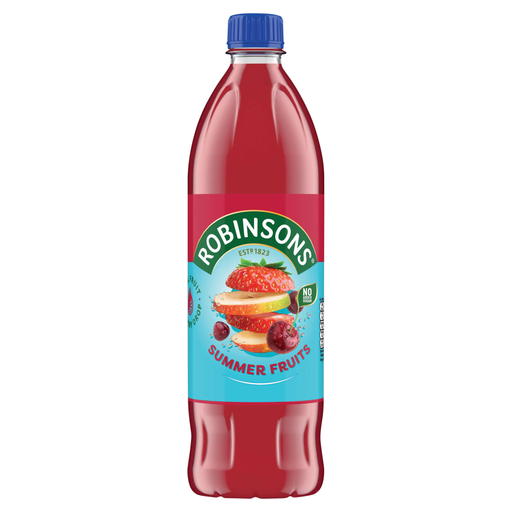
A summer-fruits option for the buffet. The product description states 10% fruit juice from concentrate and lists sucralose, acesulfame K and sulphites. Use the current pack’s dilution and nutrition instructions when preparing and describing the served drink.
 No image available
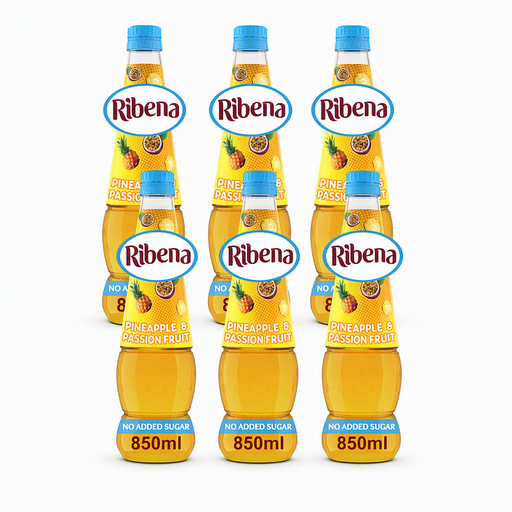
A six-bottle pack to consider when planning breakfast stock. The product description lists pineapple and passion-fruit juices, aspartame, acesulfame K and sulphites. Check dilution, prepared-drink nutrition and after-opening instructions on the current bottles before setting batch quantities.
 No image available
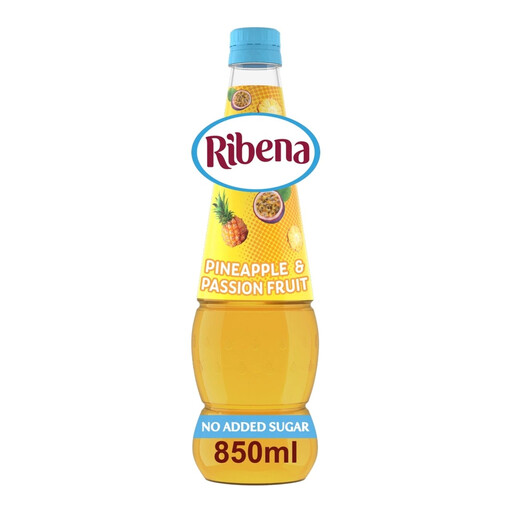
A single-bottle option for the same pineapple-and-passion-fruit flavour. Its listed ingredients include aspartame, acesulfame K and sulphites. Check the current bottle’s mixing, prepared-serving and after-opening instructions when planning buffet use.
No. Fruit juice can contribute naturally occurring sugars: Sainsbury’s pink grapefruit high-juice squash lists 2.0g sugars per 250ml diluted serving. Compare the nutrition panel for the drink as prepared, including its serving size.
Food Standards Scotland says UK food businesses must provide information about any of the 14 regulated allergens in prepacked and non-prepacked food and drink. For each squash prepared for the buffet, keep its current ingredient information available to guests and ensure staff know where to find it.
No-added-sugar products can still contain sweeteners and allergens. Asda’s Robinsons lemon listing declares sulphites and a source of phenylalanine, while its Vimto no-added-sugar listing declares barley. Check the exact current product rather than treating the claim as an ingredient list.
A standard 1:4 instruction may be simpler for staff using measured jugs: the listed Robinsons lemon and Sainsbury’s pink grapefruit products both use that ratio. Tesco’s quadruple-strength tropical product requires 1:19, so choose it only if staff can measure that mixture reliably.
No. Compare stated prepared servings, serving sizes and dilution instructions, then check whether the hotel can use the opened product as directed. Tesco labels its 1.5L quadruple-strength tropical bottle as 100 servings; Robinsons labels its 1L single-strength lemon bottle as 20.