
24/7 Customer Support

Free returns

Same-day & Next-day Delivery

Quality Guaranteed

Unlock Your Welcome Offers: FREE Delivery | Up to 80% OFF | Free 30-day JoyPlus trial
Download the APP
Choosing no added sugar squash can look straightforward, but supermarket-style packaging often makes similar bottles difficult to compare. A low-calorie squash may contain sweeteners, while a fruit cordial labelled “no added sugar” can still contain naturally occurring sugars from fruit. Pack size, dilution instructions and storage requirements also affect whether a product represents good value for your household.
This guide explains the practical details to check before buying, then matches selected options to different UK shopping needs.
“No added sugar” means that sugar has not been added as an ingredient. It does not necessarily mean the drink contains no sugars at all. Fruit juice from concentrate can contribute naturally occurring sugars, so check the nutrition panel rather than relying only on the front label.
For example, a standard Ribena Blackcurrant 12x250ml multipack contains added sugar and lists 10.5g of sugar per 250ml serving. It should not be confused with a sugar-free squash or a no-added-sugar alternative.
Some labels show nutrition per 100ml of concentrated liquid, while others show values after dilution. These figures are not directly comparable. A low-calorie squash may appear higher in calories when measured undiluted, but the diluted serving is what most people drink.
Always check:
Many no-added-sugar drinks use sweeteners such as aspartame, acesulfame K, saccharin or sucralose. Products containing aspartame carry a warning about a source of phenylalanine. Some fruit squash products also contain sulphites, while fruit and barley varieties contain barley.
Read the ingredients and allergen statement carefully, particularly when buying drinks for children, guests or anyone with a known sensitivity.
A larger bottle is not automatically better value. Compare the number of prepared servings based on the manufacturer’s dilution guidance. A 1L bottle diluted at one part squash to four parts water produces approximately 5L of drink before accounting for personal adjustments.
For busy households, a family drinks multipack or squash drink multipack can reduce repeat shopping. However, multipacks require suitable storage and may offer less flexibility if only one person enjoys the flavour.
The percentage of fruit juice from concentrate helps explain the drink’s composition, although it does not guarantee that every shopper will prefer the taste. Blackcurrant squash is generally berry-led and fuller in flavour, while lemon squash provides a sharper citrus profile. Orange squash is milder and familiar, and summer fruits squash typically combines apple and berry notes.
Check the ingredient list for the specific fruit content. For instance, Robinsons No Added Sugar Squash Real Fruit Lemon Juice 1L contains 10% lemon juice from concentrate, while Ribena Concentrate Blackcurrant 850ml lists 18% blackcurrant juice from concentrate.
Use the product label as the final reference because recipes and packaging can change. Look for:
Concentrated drinks should be diluted as directed and should not be consumed undiluted. Some products recommend extra water when serving toddlers. Ready-to-drink cartons and bottles may need to be refrigerated after opening and consumed within a shorter period than a concentrate.
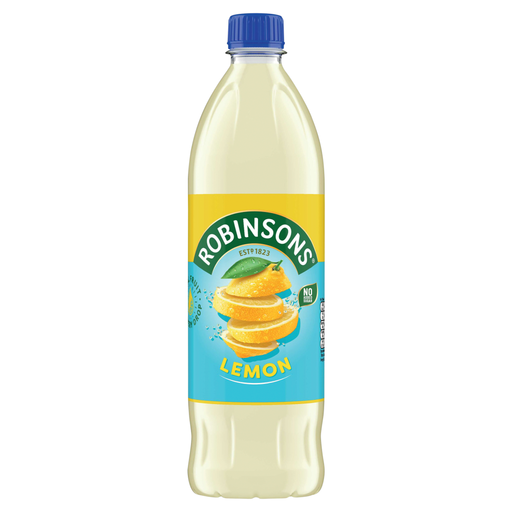
Why This Fits Their Persona: A practical 1L bottle for households wanting a familiar citrus flavour without committing to a larger multipack.
The listing clearly identifies 10% lemon juice from concentrate and provides diluted nutrition figures, making comparison easier.
No added sugar; 1L format; 2kcal per 100ml diluted according to the supplied product information.
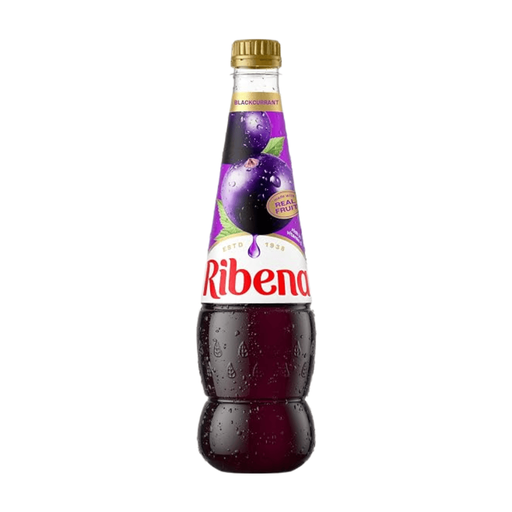
Why This Fits Their Persona: Suitable for shoppers who prioritise a recognised blackcurrant flavour and a concentrate made with British blackcurrants.
The recommended dilution is stated as 1 part squash to at least 4 parts water, while the ingredients identify sweeteners and sodium bisulphite.
18% blackcurrant juice from concentrate; vitamin C listed at 32mg per 100ml; recycled-plastic bottle.
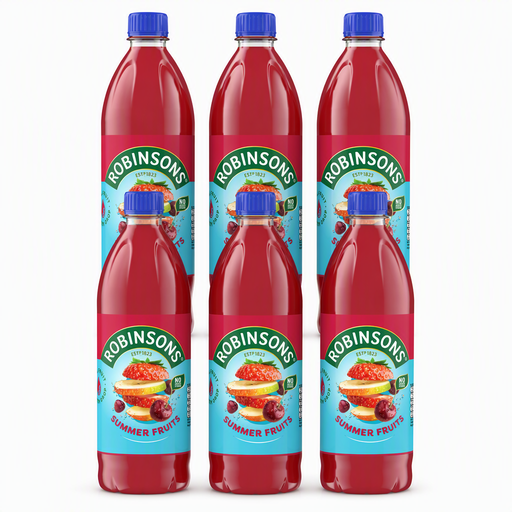
Why This Fits Their Persona: A six-bottle family drinks multipack for regular lunches, meals, picnics and households that use squash frequently.
The pack size supports planned purchasing, while the stated 2kcal per 100ml diluted value helps avoid judging calories from the concentrate alone.
Apple, strawberry, raspberry and cherry juice blend; no added sugar; six 1L bottles for ongoing use.
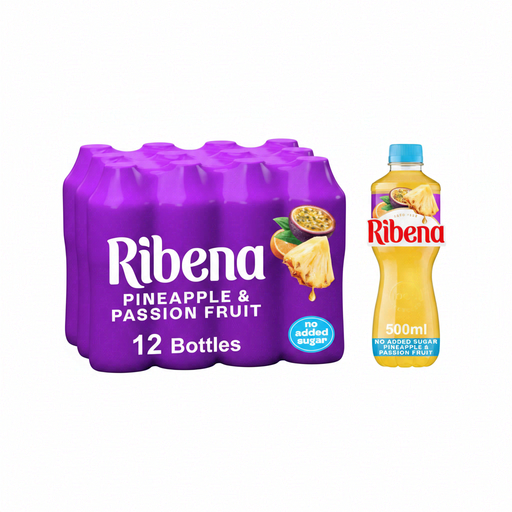
Why This Fits Their Persona: Convenient individual bottles for packed lunches, day trips, barbecues and chilled drinks on the go.
The 500ml format removes the need to mix each serving, while the label identifies fruit juice content and sweeteners.
We have compiled a complete, real-time list of products that fully satisfy these strict selection criteria and UK safety regulations.
No. No-added-sugar squash may contain naturally occurring sugars from fruit juice. Sugar-free products generally contain little or no sugar, but the exact nutritional value should be checked on the label. Sweeteners are commonly used to provide sweetness in both low-calorie squash and no-added-sugar drinks.
Follow the instructions on the bottle. A common ratio is one part squash to four parts water, although some products state “dilute to taste”. For young children, packaging may advise adding extra water. Do not drink concentrated squash undiluted.
Not necessarily. A 1.5L bottle may provide more prepared drink than an 850ml bottle, but the final value depends on the recommended dilution, price and how much is wasted. For regular users, compare the cost per diluted litre and consider whether a squash drink multipack will be used before its storage period becomes an issue.