Who is this for?
The useful choice depends on lunch-service volume, the drink flavours offered and how ingredient information is managed.
Canteen managers serving busy lunches
Compare each bottle’s stated prepared yield with the number of glasses served at lunch. Tesco lists 100 × 300ml glasses for its quadruple-strength orange squash, while Robinsons Orange lists 20 glasses at its stated dilution; portion control matters when planning replenishment.
Workplaces offering a flavoured drink choice
No-added-sugar squash offers fruit flavours alongside drinking water. Check sugars and energy for the prepared glass rather than assuming every squash has the same nutrition.
Buyers responsible for ingredient information
Check the current label for each flavour before it is served. The products described here include sweeteners; some list sulphites, and Sainsbury’s Fruit and Barley Summer Fruits has a barley ingredient to account for.
What should a canteen check?
Work out the prepared volume needed, then compare products at their stated dilution and serving size. A larger serving count is useful only if staff can dispense the selected concentrate consistently.
| Priority | What to check | Your needs |
|---|
| Prepared yield |
Check the bottle size, dilution ratio and stated glass size together. Tesco lists 100 × 300ml glasses at 1:19; ASDA and Waitrose each list 60 servings at 1:9. |
I need enough prepared squash for the lunch rush without changing bottles more often than the service allows. |
| Dispensing |
Use the ratio printed for the exact product and measure concentrate with a jug, pump or calibrated dispenser. Robinsons Orange and Sainsbury’s Fruit and Barley Summer Fruits specify 1:4 for their respective products. |
If several staff members serve drinks, I want each glass mixed the same way. |
| Diluted nutrition |
Read sugars and energy for the prepared drink, noting its glass size. Tesco states 0.5g sugars and 5kcal per prepared 300ml glass; Waitrose Essential Apple & Blackcurrant states 0.5g sugars and 4kcal per prepared 250ml serving. |
I want to describe what is in the glass we actually serve, not compare figures for concentrate with figures for a diluted drink. |
| Ingredients |
Check sweeteners and declared allergens on the current label for every flavour. Treat a fruit-and-barley recipe separately from an orange squash when communicating ingredients. |
When diners ask about ingredients, I need information for the particular bottle in use. |
| Flavour and format |
Compare the flavours offered with their stated yields: the researched orange concentrates include higher-yield options, while Sainsbury’s Fruit and Barley Summer Fruits lists 20 servings from 1L. |
A different fruit flavour may be worth offering, even if its bottle needs replacing more often during service. |
Brand references for canteen buyers
These references describe particular squash lines and products, not every recipe sold under each brand. Check the current bottle before ordering or serving.
Robinsons
Robinsons describes its core squash range as having no added sugar. Its Orange 1L product provides a branded, 1:4-dilution option for comparing with stronger concentrates.
- Waitrose & Partners lists 20 servings and 3kcal per diluted glass for Robinsons Orange.
- The stated serving count is lower than those of the higher-concentration bottles discussed here.
Tesco
Tesco’s Quadruple Strength Orange No Added Sugar 1.5L is a high-yield own-label option for measured canteen dispensing.
- Tesco lists 100 × 300ml glasses at a 1:19 dilution.
- Staff need to measure the concentrated squash to keep the served drink consistent.
Sainsbury’s
Sainsbury’s Fruit and Barley Summer Fruits No Added Sugar 1L offers a different flavour from the orange products.
- Sainsbury’s lists 20 prepared 250ml servings and 10% fruit juice from concentrate.
- The barley ingredient needs to be considered when communicating ingredients to diners.
Asda
ASDA Orange Squash 1.5L is a no-added-sugar orange option with a 1:9 preparation instruction.
- ASDA lists 60 servings and 4kcal per prepared 250ml serving.
- Its stated yield depends on following the product’s dilution instruction.
M&S
M&S describes its researched Orange Squash as double strength, no added sugar and made with 20% fruit.
- M&S states that this product has no artificial colours or flavourings.
- Its ingredient list includes sucralose and E223 sulphites; check the current label for service information.
Waitrose
Waitrose Essential No Added Sugar Apple & Blackcurrant Squash 1.5L offers an alternative to orange at a stated 1:9 dilution.
- Waitrose & Partners lists 20% fruit and 60 servings.
- Its prepared 250ml serving still lists 0.5g sugars; no added sugar does not mean sugar-free.
Joybuy squash options for a canteen
These no-added-sugar fruit squash options offer different flavours and bottle formats for a workplace lunch service. Check each product’s preparation instructions, delivered pack and current label when planning portions.
 No image available
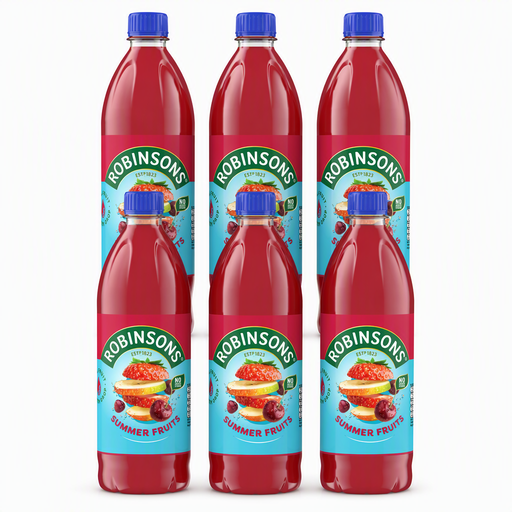
Robinsons No Added Sugar Summer Fruits Squash 6x1L
A summer-fruits option for a canteen offering a flavour alongside orange. Confirm the supplied pack quantity before ordering: the listing title says 6x1L, while its description also gives a 1L net quantity. Check the bottle’s dilution instructions before using its stated per-bottle serving estimate, and check the current ingredient and allergen label.
View on Joybuy
 No image available
Ribena Concentrated Blackcurrant No Added Sugar 1.5L
A 1.5L blackcurrant concentrate for a canteen offering another fruit flavour. Follow the bottle’s mixing instructions and establish the prepared volume needed for lunch service. Compare nutrition for the diluted drink, and check the current ingredient and allergen label.
View on Joybuy
 No image available
Robinsons No Added Sugar Orange Squash 1L
A 1L orange option where a familiar flavour is wanted for lunch service. Check the preparation instruction and serving count on the bottle before planning portions; also check its current sweetener and allergen information.
View on Joybuy
 No image available
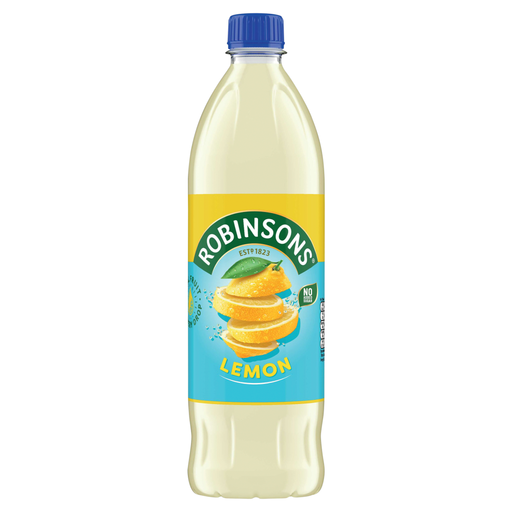
Robinsons No Added Sugar Real Fruit Lemon Squash 1L
A 1L lemon-flavoured alternative for the canteen drinks selection. Check the bottle’s dilution and prepared-serving information before forecasting yield. Use its current diluted nutrition and ingredient label when describing the drink to diners.
View on Joybuy
 No image available
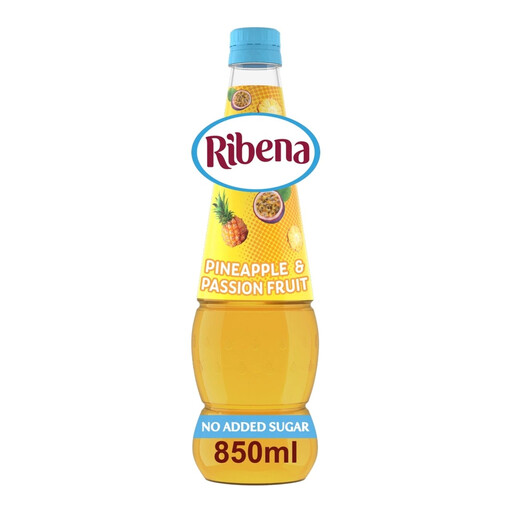
Ribena Pineapple and Passion Fruit Squash No Added Sugar 850ml
An 850ml pineapple-and-passion-fruit option for a canteen seeking a flavour other than orange. Establish a consistent preparation method before forecasting servings, and check the current label for diluted nutrition, ingredients and allergens.
View on Joybuy
Questions about canteen squash
Does “no added sugar” mean the prepared squash contains no sugar?
No. A no-added-sugar squash can still contain naturally occurring sugars from fruit. Waitrose & Partners lists 0.5g sugars per prepared 250ml serving for its Essential Apple & Blackcurrant squash; read the diluted-drink nutrition table as well as the front-of-pack wording.
How should staff prepare different strengths of squash?
Measure each product to its own instructions rather than using one ratio for every bottle. Tesco specifies one part squash to 19 parts water for its quadruple-strength orange product; ASDA and Waitrose specify 1:9 for the products discussed here, while Robinsons Orange and Sainsbury’s Fruit and Barley Summer Fruits specify 1:4.
What ingredient information should be available when squash is served?
Keep information for the exact product and flavour in use and check its current label when restocking. Some of these squash products list sulphites, and Sainsbury’s Fruit and Barley Summer Fruits includes barley; do not assume that another flavour has the same ingredients.
Can a workplace offer squash instead of drinking water?
No. The Health and Safety Executive says employers in Great Britain must provide drinking water as part of workplace welfare facilities. Squash can be offered as an additional canteen drink.
How should a buyer interpret sweeteners in no-added-sugar squash?
Check which sweeteners the particular product lists rather than assuming all recipes are alike. The NHS says sweeteners used in food and drink in Great Britain undergo safety assessment, but also cautions that using them does not automatically make a drink healthy overall.


