Organisers planning a no-added-sugar drinks station
A stated dilution ratio and serving count help you plan batches. Compare nutrition for the prepared drink, then check the current bottle before putting it on the menu.


For a conference drinks station, choose a no-added-sugar squash with a stated dilution ratio and serving yield when batch planning matters most. A fruit-led cordial may suit a different flavour or ingredient preference, but compare sugar figures only for the drink as served; check the current label for sweeteners, allergens and storage instructions before service.
A stated dilution ratio and serving count help you plan batches. Compare nutrition for the prepared drink, then check the current bottle before putting it on the menu.
Check the exact bottle for sweeteners and declared allergens, and keep accurate ingredient and allergen information available at service. A no-added-sugar label does not answer those questions.
Fruit content and flavour may guide the menu choice, but they do not replace a comparison of the prepared drink’s nutrition, dilution yield and opened-bottle storage instructions.
Choose the flavour and ingredient profile for the event, then use each bottle’s preparation instructions to plan how much drink to serve.
| Priority | What to check | When it matters |
|---|---|---|
| Sugar and energy | Check whether the nutrition panel describes concentrate or diluted drink. Compare the same prepared-drink volume, and read the sugars figure as well as the no-added-sugar claim. | I want a no-added-sugar choice without treating that wording as a promise of zero sugar in the drink served. |
| Dilution and yield | Follow the bottle’s ratio and stated serving size. Tesco Groceries lists 20 servings from a 1 L Robinsons Orange bottle at 1 part squash to 4 parts water; Waitrose & Partners lists 60 servings from its 1.5 L Essential Summer Fruits bottle, suggesting 1 part squash to 9 parts water. | For a busy self-service station, I need to plan prepared volume and give staff a consistent way to measure each batch. |
| Ingredients and allergens | Read the current label for declared allergens and sweeteners. Keep the product information accessible when serving drinks, in line with Food Standards Agency allergen guidance for catering. | Attendees may have declared allergen needs or ingredient preferences; the front-of-pack sugar wording is not enough for me to answer their questions. |
| Flavour and fruit content | Check the stated fruit content and ingredient list for the exact variant. Marks & Spencer describes its Apple & Elderflower High Juice as no added sugar and 50% fruit juice; that figure alone does not establish its sugar content as served. | A fruit-led flavour may fit the event menu, but I still want to compare the prepared drink rather than fruit percentages alone. |
| Storage after opening | Check refrigeration and use-by instructions after opening, then match bottle sizes to expected use. Waitrose & Partners says to refrigerate Belvoir Lemon & Lime No Added Sugar Cordial and use it within three weeks of opening. | If bottles will be opened across several sessions, I need a plan for storing and using them according to their labels. |
Nutrition figures may be given per 100 ml of prepared drink, per 250 ml serving or per 100 g of product. Those figures cannot be compared directly.
Use each product’s dilution instructions and compare sugars and energy on the same prepared-drink basis.
No-added-sugar squash can contain sweeteners and declared allergens. Tesco Groceries’ Robinsons Orange listing and Waitrose & Partners’ Essential Summer Fruits listing both identify sulphites.
Check the bottle being served, make allergen information available and plan another drink where attendee requirements call for one.
Different dilution ratios produce different prepared volumes, so concentrate volume alone is a poor measure of how many servings you can offer.
Plan from the selected bottle’s stated ratio and serving size, and use a marked jug or dispenser for consistent batches.
Storage and post-opening use periods vary by product. Opened bottles left after an event may need to be refrigerated and used within a stated period.
Check the label before ordering, record when bottles are opened and follow its storage instructions.
These examples illustrate label and format differences; check the exact variant you intend to serve.
Its Orange No Added Sugar Squash provides a clearly stated dilution and prepared-serving panel.
Tesco Groceries lists own-label quadruple-strength no-added-sugar squash alongside branded options.
Its Essential No Added Sugar Summer Fruits Squash has a stated serving yield useful for volume planning.
Apple & Elderflower High Juice offers a fruit-led flavour choice.
These Joybuy options are no-added-sugar squash concentrates in orange, summer-fruits, blackcurrant, tropical and lemon flavours. Check each variant’s label for batch preparation and attendee information.
 Image unavailable
For an orange squash station with a stated batch ratio, Tesco Groceries lists 1 part concentrate to 4 parts water, 20 servings per bottle, and 0 g sugars and 3 kcal per 250 ml diluted serving. It contains sweeteners and sulphites; check the current label and refrigerate after opening according to its instructions.
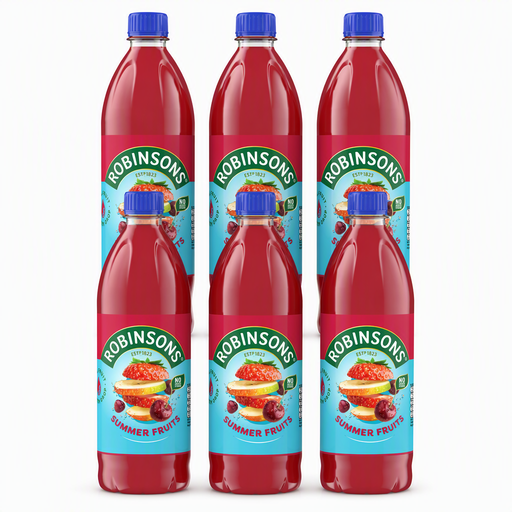 Image unavailable
The six-bottle pack may suit an order covering several conference sessions. Its description estimates up to 25 servings of 250 ml per bottle, but check the pack’s dilution instructions before planning batches. Check the current nutrition label before making sugar comparisons, and review its sweetener and sulphite declarations.
 Image unavailable
This is a no-added-sugar blackcurrant option for the drinks station. Follow the bottle’s dilution instruction for batch preparation and check whether its nutrition figures describe concentrate or prepared drink before comparing them. Its ingredients include sweeteners and sodium bisulphite; check the current allergen label.
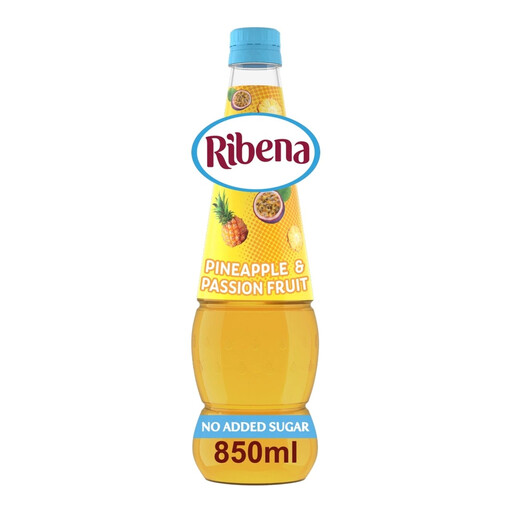 Image unavailable
This concentrate offers a pineapple and passion-fruit flavour. Its nutrition is stated for undiluted product and dilution is described as to taste, so establish a serving recipe before planning volume or comparing prepared drinks. Check the current label for its sweeteners, sulphites and source-of-phenylalanine statement; refrigerate after opening and use within 21 days as instructed.
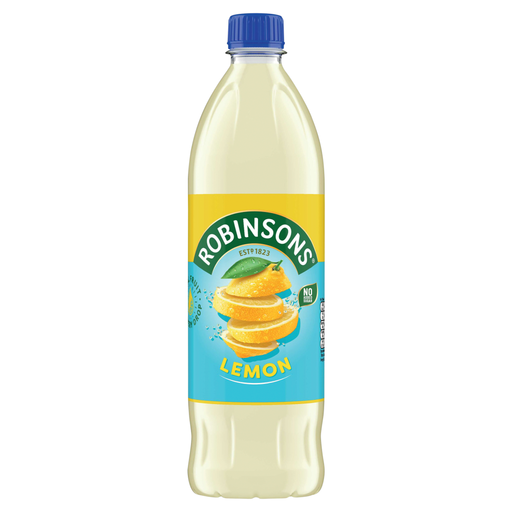 Image unavailable
This lemon squash is another no-added-sugar flavour option. Check its current dilution instructions and prepared-drink nutrition before estimating servings or comparing sugar figures. Its product information identifies sweeteners and a source of phenylalanine; follow the bottle’s refrigeration and post-opening instructions.
No. Fruit ingredients can contribute sugars, so read the nutrition panel for the drink as prepared. Tesco Groceries lists 0 g sugars per 250 ml diluted serving for Robinsons Orange No Added Sugar Squash, while Waitrose & Partners lists 0.4 g per 100 ml diluted drink for Belvoir Lemon & Lime No Added Sugar Cordial; compare equal prepared-drink volumes.
Start with your planned serving size, expected attendance and the chosen bottle’s dilution ratio and stated servings. Waitrose & Partners lists 60 servings from its 1.5 L Essential Summer Fruits Squash at its suggested 1:9 dilution; Tesco Groceries lists 20 servings from a 1 L Robinsons Orange bottle at 1:4. Use the instructions for the product you actually buy.
Check the current label of each drink served and make accurate allergen information available to attendees. Food Standards Agency guidance addresses allergen information for catering food and drink, including prepacked and non-prepacked items; several squash examples here declare sulphites.
Use online information to plan, then check the label on the specific bottle supplied before service. Waitrose & Partners notes that product recipes can change and advises checking product labels.
No. The Robinsons Orange and Waitrose Essential Summer Fruits squash listings identify sucralose and acesulfame K, while Waitrose & Partners describes stevia-based sweetening for Belvoir Lemon & Lime cordial. Check the exact variant’s ingredients if sweetener choice matters for your event.