Hosts making drinks for a group
If you are filling several jugs, compare the bottle’s stated servings and dilution instructions. Remember to plan the water and ice as well as the concentrate.


For a summer BBQ, choose squash by its stated diluted servings and the flavours your guests are likely to drink, rather than bottle size alone. Check sugars per prepared serving, the ingredients and the dilution instructions on the bottle: ‘no added sugar’ does not mean sugar-free or sweetener-free.
If you are filling several jugs, compare the bottle’s stated servings and dilution instructions. Remember to plan the water and ice as well as the concentrate.
A no-added-sugar claim does not tell you the drink’s total sugars or which sweeteners and allergens it contains. Read the current bottle label before serving it.
Orange, blackcurrant, grapefruit and mixed-fruit squash offer different flavour choices. Compare fruit content and sugars on the stated diluted-serving basis where those details matter to you.
Start with how many prepared drinks you need, then compare flavours and labels using each product’s own mixing instructions.
| Priority | What to check | Your needs |
|---|---|---|
| Prepared servings | Check the stated serving size, serving count and squash-to-water ratio. Compare yields on the same prepared-drink basis. | I am making several jugs and need enough squash and water for the guests expected, rather than choosing by concentrate volume alone. |
| Sugars after dilution | Read sugars and energy per prepared serving, using the label’s mixing instructions. Sainsbury’s lists 2.0g sugars per 250ml diluted serving for its no-added-sugar Pink Grapefruit High Juice squash. | I want to know what is in the drink as served. ‘No added sugar’ need not mean that fruit sugars are absent. |
| Ingredients and allergens | Check the named sweeteners, allergen declaration and any phenylalanine statement on the particular bottle. Do not treat the front-of-pack claim as an ingredient list. | Some guests may need to avoid particular ingredients, so I need a flavour they can assess from its current label. |
| Flavour and leftovers | Compare the stated fruit content and flavour, then read the instructions for storage after opening. | I would like a choice guests will use at the BBQ without overlooking how any remaining squash must be stored. |
Fruit-based squash can still contain naturally occurring sugars. Waitrose & Partners says this applies to its Essential No Added Sugar Orange Squash.
Compare sugars on the nutrition panel for the diluted drink, not just the claim on the front.
Concentrates can have different mixing instructions, so bottle volume does not by itself tell you how many jugs you can prepare.
Use the stated dilution and serving size to plan the drinks, water and ice for your guest count.
Individual products can contain different sweeteners and declared allergens, including sulphites.
Ask about relevant ingredient restrictions and check the label on the bottle you will serve.
Recipes and packaging details can change, making an earlier product description a poor substitute for the bottle in hand.
Recheck its ingredients, dilution and opened-bottle storage instructions when it arrives.
These brand and own-label examples illustrate different flavours and formats; check the particular product rather than assuming every squash in a range has the same ingredients.
Its no-added-sugar range includes fruit flavours and different concentrate formats.
A blackcurrant option for guests who prefer berry flavour to citrus.
A mixed-fruit alternative to single-fruit or citrus-style squash.
Its no-added-sugar Pink Grapefruit High Juice squash is a citrus-style choice.
Its Orange Squash offers a no-added-sugar orange option in a double-strength format.
Its No Added Sugar Orange Squash is another orange concentrate to compare for group servings.
These no-added-sugar squash options cover summer-fruit, citrus, blackcurrant and tropical-fruit flavours for BBQ drinks. Use each bottle’s label to plan dilution and check suitability for guests.
 No image available
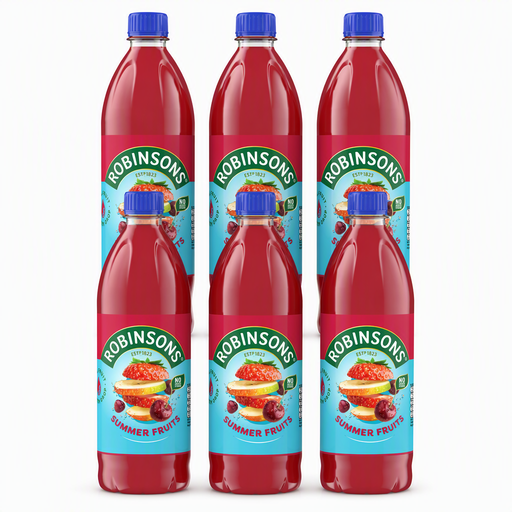
A summer-fruit option in a six-bottle pack for making several jugs. Check the dilution and opened-bottle storage instructions, along with ingredients relevant to your guests.
 No image available
A lemon-flavoured choice if you want to offer a citrus jug. Use the bottle’s dilution instructions to plan servings and check its ingredient and allergen statements.
 No image available
An orange option for guests who prefer a familiar squash flavour. Compare its prepared-serving nutrition and dilution instructions with any other orange squash you are considering.
 No image available
A blackcurrant choice instead of citrus. The mixing guidance for this 1.5L product is one part squash to at least four parts water; check the current label for ingredients and storage after opening.
 No image available
A pineapple and passion fruit alternative if you want another flavour on the drinks table. Check its mixing instructions to work out the prepared quantity and read the current ingredients before serving.
No. A squash can contain naturally occurring fruit sugars even when no sugar has been added. Waitrose & Partners says this of its Essential Orange product, while Sainsbury's lists 2.0g sugars per 250ml diluted serving for its Pink Grapefruit High Juice squash.
Plan from the number and size of drinks you expect to serve, using each bottle’s stated servings and dilution instructions. Concentrates can use different mixing ratios, so comparing bottle volumes alone will not tell you how much prepared drink they make.
Ask which ingredients guests need to avoid, then read the current bottle’s ingredient list and allergen declaration. GOV.UK says food businesses must provide information when any of 14 specified allergens are ingredients in a food or drink product.
They can be, so check the ingredients of the particular product. NHS guidance says sweeteners approved for use in Great Britain undergo safety assessment; that does not replace checking whether a named ingredient is suitable for an individual guest.
Follow that bottle’s instructions for storage and use after opening. Check them before preparing more jugs than you need, as instructions can differ between products.