What should you check before buying?
Start with the guest count and the drink as prepared, then check ingredients and serving guidance for the people who will use it.
| Priority | What to check | Your needs |
|---|
| Prepared servings |
Check the bottle's stated serving yield, serving size and dilution ratio. For example, the ASDA listing for Robinsons Double Strength Orange 1.75L states 70 servings when mixed one part squash to nine parts water. |
I'm making drinks for a group and want to plan the jugs without judging quantity by concentrate volume alone. |
| Sugars in the drink |
Read the sugars figure for the specified diluted serving and follow that preparation ratio. Sainsbury's lists 2.4g sugars per prepared 250ml serving for its Orange High Juice; ASDA lists 2.5g per prepared 250ml for its Mango, Apple & Passion Fruit High Juice. |
A no-added-sugar label matters to me, but I also want to know whether fruit ingredients contribute sugars to what guests will drink. |
| Children's drinks |
Provide water separately and dilute squash well, as the NHS advises. Check the chosen pack for any age-specific instructions; ASDA advises extra water for toddlers with its Mango, Apple & Passion Fruit High Juice. |
Children and adults may both attend, so I want water within easy reach and squash prepared according to the relevant instructions. |
| Ingredients and allergens |
Read the current bottle's ingredient and allergen declarations, including named sweeteners. The reviewed Robinsons, Sainsbury's and ASDA products declare sulphites; ASDA's Vimto No Added Sugar listing declares barley. |
If a guest needs to avoid a particular ingredient, I need to check the exact bottle before putting it into a shared jug. |
| Fruit and flavour |
Compare the stated fruit content and flavour with the prepared-drink nutrition. Sainsbury's labels its Orange High Juice as 50% fruit juice; ASDA labels its Mango, Apple & Passion Fruit High Juice as 50% fruit. |
I'd like a fruit-based flavour, while still choosing by the actual label rather than assuming that no added sugar means no sugars. |
Brand and product-line references
These label examples show why serving yield, fruit content and ingredients should be checked for the particular bottle, rather than assumed from a brand name.
Robinsons
Its reviewed Double Strength Orange No Added Sugar 1.75L is an example to consider when preparing a larger number of measured servings.
- The ASDA product listing states 70 servings at a 1:9 dilution and 0g sugars per stated diluted 250ml serving.
- The same listing declares sulphites; check the current bottle against guests' ingredient requirements.
Sainsbury's
Its reviewed No Added Sugar Orange High Juice 1L offers a stated fruit percentage and a 1:4 mixing instruction.
- Sainsbury's lists 50% fruit juice and 20 servings for this product.
- It lists 2.4g sugars per prepared 250ml serving, so its no-added-sugar description does not mean the prepared drink contains no sugars.
ASDA
Its reviewed Mango, Apple & Passion Fruit No Added Sugar High Juice is a tropical-flavour, 50%-fruit option.
- ASDA lists 2.5g sugars per 250ml serving diluted as directed, making the prepared-serving figure available for comparison.
- The listing declares sulphites and advises adding extra water when serving toddlers.
Waitrose
Its reviewed No Added Sugar Tropical High Juice provides another fruit-flavour label to compare.
- Waitrose lists 2.3g sugars per prepared 250ml serving and describes the product as containing naturally occurring sugars.
- The listed ingredients include sucralose and sodium metabisulphite; check the current label for guest requirements.
Joybuy squash options
These no-added-sugar squash bottles offer orange, summer-fruit, pineapple-and-passion-fruit and lemon flavours for preparing party drinks. Check each pack's dilution and serving yield before deciding how many you need.
 Image unavailable
Robinsons No Added Sugar Orange Squash 1L
An orange squash to dilute for party jugs. The listing says it is unsuitable for children under 36 months and advises extra water for toddlers; check the pack's mixing instructions and prepared-serving yield before planning quantities.
View on Joybuy
 Image unavailable
Robinsons No Added Sugar Summer Fruits Squash 1L
A summer-fruit option for diluted jugs; the listing advises extra water for toddlers. Check the current pack's ingredients if guests have dietary requirements, and use its dilution and serving information to plan quantities.
View on Joybuy
 Image unavailable
Ribena Pineapple and Passion Fruit No Added Sugar Squash 850ml
A pineapple-and-passion-fruit option to dilute with water. Check the pack for its mixing instructions and prepared-serving information; the listing flags sulphites and a source of phenylalanine for guests who need to check those ingredients.
View on Joybuy
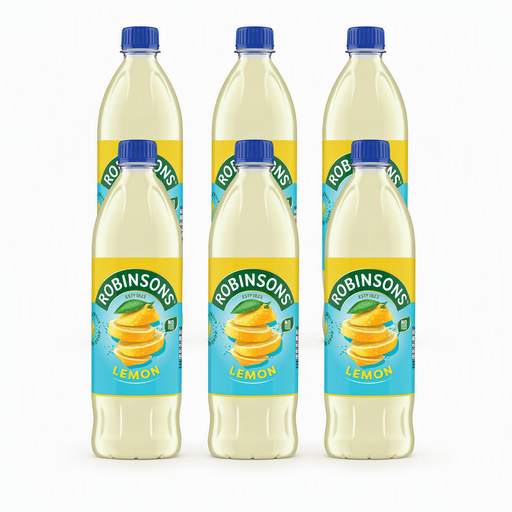 Image unavailable
Robinsons No Added Sugar Lemon Squash 6 × 1L
Six separate 1L bottles offer a format for making batches of lemon squash. Check the current packs for sweeteners, mixing instructions and prepared servings before serving guests or planning quantities.
View on Joybuy
Questions about serving squash
Does no added sugar mean the squash contains no sugars?
No. Fruit ingredients can contribute naturally occurring sugars to a no-added-sugar squash. For instance, Sainsbury's lists 2.4g sugars per prepared 250ml serving of its No Added Sugar Orange High Juice; check the prepared-drink nutrition on the bottle you choose.
How should I offer squash to young children?
Keep water available and dilute squash well, in line with NHS guidance. Follow the chosen product's instructions, including extra-water advice for toddlers where stated; for young children using cups, the NHS favours an open or free-flow cup rather than a teat-style bottle.
Which ingredients should I check before filling a shared jug?
Check the current pack against guests' specific ingredient requirements. The reviewed Robinsons, Sainsbury's and ASDA squashes declare sulphites, while the reviewed Vimto No Added Sugar listing declares barley; do not assume one squash's label applies to another.
How do I work out how much squash to buy?
Use each bottle's stated prepared servings and dilution ratio, then plan water as a separate drink. The ASDA listing for Robinsons Double Strength Orange 1.75L states 70 servings at 1:9, whereas Sainsbury's lists 20 servings for its 1L Orange High Juice at 1:4; concentrate volume alone does not show the number of drinks.


