For a holiday cottage, choose squash by the number of prepared drinks you expect to serve, not bottle size alone: a high-concentrate bottle can provide more stated servings, while a standard bottle or compact concentrate may suit a smaller group or a welcome basket. Follow the particular product’s dilution instructions, and check its prepared-drink sugars, ingredients and storage directions; ‘no added sugar’ does not mean sugar-free.
Who is choosing the squash?
Hosts serving several guests
Plan around prepared servings as well as cupboard space. Tesco lists 100 servings of 300ml for its quadruple-strength orange squash, while a Waitrose & Partners listing gives 70 servings for Robinsons Double Strength Summer Fruits; each has its own dilution instructions.
Hosts stocking a family cottage
Leave the bottle’s preparation directions available to guests rather than treating concentrate as ready to drink. Check product-specific directions for younger children: the Robinsons Mini listing says not to drink it undiluted.
Hosts checking ingredients for guests
Keep the original label available where guests may need to check sweeteners or allergens. Product listings for several of these squashes include sulphites, and the Ribena Blackcurrant listing states that it contains a source of phenylalanine.
What should you check before buying?
Start with the number and size of prepared servings, then check how guests will mix, store and identify the drink.
| Priority |
What to check |
Your needs |
| Sugars claim |
Read the exact front-label claim and the sugars figure for the prepared drink. The ‘with no added sugar’ rule set out on legislation.gov.uk concerns added sugars and foods used for sweetening; it does not say the finished drink contains no sugars. |
I want guests to be able to tell what is in the drink, rather than assume ‘no added sugar’ means sugar-free. |
| Servings and dilution |
Compare stated servings at their stated drink sizes, then read the mixing ratio. Tesco lists 100 servings of 300ml at 1:19 for its quadruple-strength orange squash; Waitrose & Partners lists 70 servings at 1:9 for Robinsons Double Strength Summer Fruits. |
For a busy cottage, I need enough prepared drinks between shopping trips. For a short stay, a smaller amount may be easier to manage. |
| Ingredients |
Check the current ingredient and allergen label for sweeteners, sulphites and any product-specific warning. Do not transfer ingredient details from one flavour or format to another. |
Guests may need to check particular ingredients, so I would leave the labelled bottle where they can read it. |
| Guest preparation |
Keep the dilution directions with the bottle, including any instructions concerning younger children. Check how the particular product should be stored and used after opening. |
I want guests to know how much water to add, and I need to manage an opened bottle across cottage stays. |
Common mistakes to avoid
-
Treating ‘no added sugar’ as ‘sugar-free’
Fruit ingredients can contribute naturally occurring sugars, so the claims do not mean the same thing. The distinction matters when a guest is checking the drink’s sugars content.
Read the prepared-drink nutrition panel as well as the exact claim on the bottle.
-
Choosing by bottle size alone
Concentration and serving assumptions change how many drinks a bottle makes. The cited Tesco, Robinsons and Waitrose & Partners listings state different yields and dilution ratios, so bottle volume alone is not a like-for-like measure.
Compare the stated number and size of prepared servings, then check whether the mixing routine suits the cottage.
-
Leaving concentrate without directions
A guest may not know whether the bottle calls for one part concentrate to four, nine or nineteen parts water. The Robinsons Mini listing also explicitly says not to drink it undiluted.
Keep the original label visible, or leave a factual note copying that bottle’s dilution instruction.
-
Assuming all flavours have the same ingredients
Listings for the products discussed here identify different sweeteners and warnings, including sulphites and, for Ribena Blackcurrant, a source of phenylalanine.
Check the label on the bottle supplied and offer another drink if its ingredients do not meet a guest’s requirements.
Brand and retailer references
These product-line and retailer examples help distinguish formats; a retailer listing for another brand is not an own-label comparison.
Robinsons
Its listed no-added-sugar options include standard bottles, double-strength squash and Mini concentrate.
- Waitrose & Partners lists 70 servings and a 1:9 dilution for Robinsons Double Strength Summer Fruits.
- Check the selected variant’s ingredients and directions: the Double Strength listing includes sweeteners and sodium metabisulphite, while Mini carries an undiluted-use warning.
Tesco
Its own-label quadruple-strength orange squash is a large-bottle option for a shared kitchen.
- Tesco lists 100 servings of 300ml from the 1.5L bottle, prepared at 1:19.
- Guests need the stronger concentrate’s mixing directions; check the delivered label for ingredients, including sweeteners and sulphites.
Sainsbury's
Its referenced listing is for Robinsons Summer Fruits No Added Sugar 1L, rather than a Sainsbury's own-label squash.
- The listing identifies a single-strength bottle and gives preparation information for that Robinsons product.
- Use the particular bottle’s label when checking its dilution and nutrition information.
Asda
Its referenced listing is for Robinsons Single Strength Summer Fruits No Added Sugar 1L, not an Asda own-label comparison.
- ASDA Groceries lists 20 servings and a dilution of one part concentrate to four parts water for that bottle.
- Those serving and mixing details apply to the listed Robinsons variant, not every squash stocked by the retailer.
M&S
Its listed Orange Squash is an own-label, double-strength, no-added-sugar option.
- Marks & Spencer describes the product as containing 20% fruit.
- Its listing identifies sucralose and sulphites, says it is not suitable for babies and instructs extra water for older children.
Waitrose
Essential No Added Sugar Summer Fruits is its referenced own-label double-strength option.
- Waitrose & Partners lists 60 servings from a 1.5L bottle, with a suggested 1:9 dilution.
- The listing includes sweeteners and sodium metabisulphite; check the bottle against guests’ ingredient requirements.
Joybuy squash options
These no-added-sugar squash bottles and multipacks offer different flavours and pack sizes for cottage supplies. Check each bottle’s mixing, ingredient and opened-storage directions before leaving it for guests.
 No image available
Ribena No Added Sugar Blackcurrant Squash 1.5L
The 1.5L bottle is an option for a shared cottage kitchen. Its product description instructs one part concentrate to at least four parts water and identifies sweeteners and sodium bisulphite. Check the bottle’s prepared-serving yield and whether its nutrition panel describes concentrate or the diluted drink.
Joybuy
 No image available
Robinsons No Added Sugar Orange Squash 1L
This 1L orange squash suits a cottage stocking a single bottle rather than a multipack. Its description identifies sweeteners and sulphites and says not to drink the concentrate undiluted. Check the bottle for its dilution ratio, prepared-serving yield and directions concerning younger children.
Joybuy
 No image available
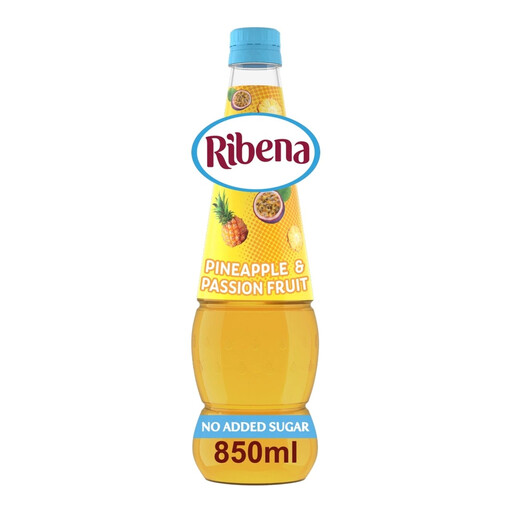
Ribena No Added Sugar Pineapple and Passion Fruit Squash 850ml
The 850ml bottle offers a pineapple and passion fruit flavour. Its description lists 9% pineapple and 1% passion-fruit juice from concentrate, sulphites and a source of phenylalanine. It instructs refrigeration after opening and use within 21 days; check the bottle for its mixing directions and prepared-serving yield.
Joybuy
 No image available
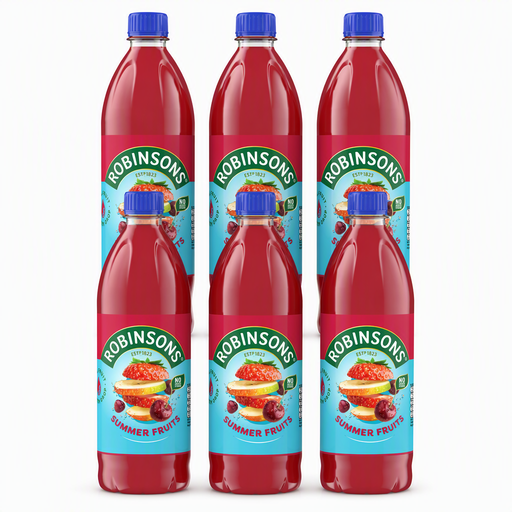
Robinsons No Added Sugar Summer Fruits Squash 6 × 1L
Six 1L bottles give a cottage separate bottles for successive stays or a larger group. The product description states up to 25 servings per bottle and lists sulphites and a source of phenylalanine. Check the delivered pack’s dilution instructions and nutrition panel before using its figures for guest information.
Joybuy
 No image available
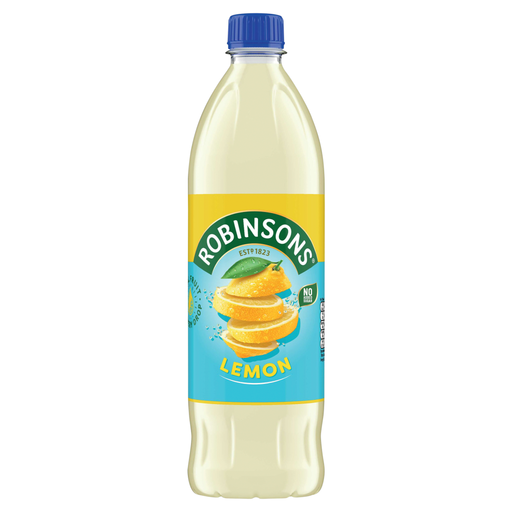
Robinsons No Added Sugar Real Fruit Lemon Squash 1L
This 1L lemon squash is a single-bottle flavour option for a cottage. The product information states 10% lemon juice from concentrate and gives refrigerated storage for up to four weeks after opening. Check the delivered bottle’s ingredients, dilution ratio and serving yield before offering it to guests.
Joybuy
Questions about cottage squash
Does ‘no added sugar’ mean the squash is sugar-free?
No. The ‘with no added sugar’ claim rule set out on legislation.gov.uk concerns added sugars and foods used for sweetening; a squash can still contain naturally occurring sugars from fruit ingredients. Check the sugars figure for the prepared drink if that distinction matters to a guest.
Should I compare bottle size or stated servings?
Start with stated prepared servings and their drink sizes, then check the dilution ratio. Tesco lists 100 servings of 300ml at 1:19 for its quadruple-strength orange squash; Waitrose & Partners lists 70 servings at 1:9 for Robinsons Double Strength Summer Fruits and 60 servings for Essential Summer Fruits. The serving sizes and preparation instructions need to be read alongside the counts.
What preparation directions matter when children are staying?
Follow the directions on the particular bottle rather than offering undiluted concentrate. The Robinsons Mini listing explicitly says not to drink it undiluted, while the M&S Orange Squash listing says it is not suitable for babies and calls for extra water for older children.
Which ingredients should guests be able to check?
Leave the original ingredient and allergen label available. The referenced squash listings include products with sweeteners and sulphites, and the Ribena Blackcurrant listing states that it contains a source of phenylalanine; ingredients differ by product and variant.
How long should an opened bottle stay in the cottage?
Use that bottle’s storage and opened-life instructions, rather than one period for every squash. The referenced Ribena Blackcurrant listing says to refrigerate after opening and drink within 21 days, while the Robinsons Mini listing says to use it within one month of opening. Check the packaging of the bottle left for guests.


