Choose no-added-sugar squash by checking total carbohydrate and ‘of which sugars’ for the drink as diluted, rather than relying on the front-of-pack claim. Prepared-serving values differ between products, including high-juice varieties, so compare the portion you will actually make and check the current bottle for sweeteners and allergens.
Who needs which information?
People managing diabetes who want a flavoured cold drink
Compare the carbohydrate and sugars in a diluted glass instead of treating ‘no added sugar’ as a suitability claim. Diabetes UK describes water as the best all-round drink and includes sugar-free soft drinks among drinks that can contribute to fluid intake.
Shoppers counting carbohydrate
Use the back-of-pack total carbohydrate figure and the portion you prepare. Diabetes UK notes that carbohydrate information is on the detailed nutrition label and may also be given per portion.
Households choosing squash for adults and children
Check each bottle’s dilution, ingredients and age-specific instructions. These differ by product; some listed squashes contain sulphites or give separate instructions for young children.
What should you check before choosing?
Start with the nutrition of the prepared drink, then check how you will dilute it and whether its ingredients meet your requirements.
| Priority |
What to check |
Your needs |
| Carbohydrate per glass |
Read total carbohydrate and ‘of which sugars’ for a prepared serving. Check its size before comparing figures: Tesco Groceries lists 0.5g of each per 300ml for its Quadruple Strength Orange, while Sainsbury's lists 3.6g carbohydrate and 2.0g sugars per 250ml for its Pink Grapefruit High Juice. |
I want to count what is in the glass I make, rather than compare figures for different serving sizes as if they were the same. |
| The label claim |
Read ‘no added sugar’ alongside the nutrition panel and any naturally occurring sugars statement. A product with that claim can still contain sugars from fruit. |
A no-added-sugar label catches my eye, but I also want to know the drink’s total carbohydrate and sugars. |
| Dilution and portion |
Check whether nutrition is stated for concentrate or the diluted drink, then follow the stated ratio when using a prepared-serving figure. Tesco Groceries specifies 1 part squash to 19 parts water for its Quadruple Strength Orange; the Robinsons Orange listing at Waitrose & Partners specifies 1 part squash to 4 parts water. |
If I make a stronger squash or pour a larger glass, I need to account for the amount of concentrate I use. |
| Ingredients |
Read the current ingredients and allergen information for named sweeteners and sulphites. The NHS notes that aspartame is unsuitable for people with phenylketonuria (PKU). |
Sweetener choice or an ingredient I avoid may matter as much to me as the nutrition figures. |
Common buying mistakes
-
Treating ‘no added sugar’ as zero carbohydrate
Fruit-derived sugars can remain. The prepared servings listed by Tesco Groceries and Sainsbury's have different carbohydrate figures as well as different serving sizes.
Compare total carbohydrate and sugars for the diluted drink, taking the serving size into account.
-
Comparing concentrate with a prepared glass
Squashes have different dilution instructions, so figures for concentrate and diluted drink describe different amounts of squash.
Check what the nutrition figures refer to and how much concentrate you will use in your glass.
-
Skipping the ingredients list
No-added-sugar varieties can contain different sweeteners and sulphites. The NHS identifies aspartame as unsuitable for people with PKU.
Read the current bottle label if you need to avoid a particular sweetener or ingredient.
Brand and retailer examples
These product lines illustrate why fruit content, prepared-serving nutrition and ingredients deserve separate checks; a brand name alone does not settle the choice.
Robinsons
Its Orange No Added Sugar squash has nutrition stated for a diluted glass.
- Waitrose & Partners lists negligible carbohydrate and sugars per 250ml diluted glass, prepared with 1 part squash to 4 parts water.
- The Orange variety contains sweeteners and sulphites; check the current bottle if either matters to you.
Tesco
Its Quadruple Strength Orange No Added Sugar squash gives nutrition for a prepared glass.
- Tesco Groceries lists 0.5g carbohydrate and 0.5g sugars per 300ml glass at the stated 1:19 dilution.
- The listed ingredients include sucralose, acesulfame K and sodium metabisulphite.
Sainsbury's
Its Pink Grapefruit High Juice No Added Sugar squash offers a higher-fruit option.
- Sainsbury's describes this variety as 50% fruit juice.
- Its listed 250ml serving contains 3.6g carbohydrate and 2.0g sugars, so the no-added-sugar claim does not mean a zero-sugar prepared drink.
M&S
Its listed no-added-sugar squashes include Orange and Lemon and Lime High Juice.
- Marks & Spencer describes the Orange Squash as 20% fruit and the Lemon and Lime High Juice as 50% fruit juice.
- Check the prepared-glass carbohydrate on the current label before comparing either with a product that states nutrition per diluted serving.
Waitrose
Its Essential No Added Sugar Summer Fruits is a double-strength squash with sweeteners.
- Waitrose & Partners describes this variety as containing 20% fruit.
- The product states that it contains naturally occurring sugars; use the current bottle’s prepared-drink nutrition for a carbohydrate comparison.
No-added-sugar squash options at Joybuy
These orange, lemon and blackcurrant concentrates offer different flavours and different levels of prepared-drink detail. Compare each using the dilution and nutrition on its current label.
 No image available
Robinsons Orange No Added Sugar Squash 1L
For a prepared-glass comparison, Waitrose & Partners lists negligible carbohydrate and sugars per 250ml diluted glass of this Robinsons Orange squash.
Dilute 1 part squash with 4 parts water. The product information lists acesulfame K, sucralose and sulphites; check the current bottle’s ingredients.
View at Joybuy
 No image available
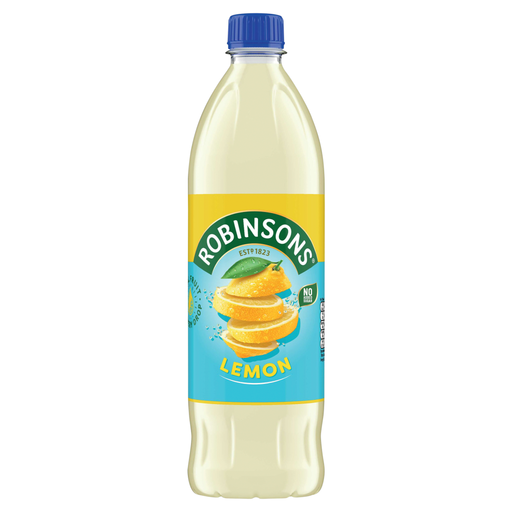
Robinsons Real Fruit Lemon No Added Sugar Squash 1L
For a lemon-flavoured option, the product description lists 0.3g carbohydrate and 0g sugars per 100ml diluted drink.
It lists aspartame and saccharin. Check the bottle’s dilution instructions to work out the amount in your glass; according to the NHS, aspartame is unsuitable for people with PKU.
View at Joybuy
 No image available
Ribena Blackcurrant No Added Sugar Concentrate 1.5L
For a blackcurrant squash, the product description instructs you to mix 50ml concentrate with at least four parts water.
It lists 18% blackcurrant juice from concentrate, aspartame, acesulfame K and sodium bisulphite. Check the current bottle’s carbohydrate and sugars for a prepared glass before comparing it with other squashes.
View at Joybuy
Frequently asked questions
Does ‘no added sugar’ mean squash has no sugar or carbohydrate?
No. Squash labelled ‘no added sugar’ can still contain naturally occurring sugars and carbohydrate from fruit. Check total carbohydrate and ‘of which sugars’ for the diluted drink rather than treating the claim as a zero-carbohydrate figure.
Should I compare sugars or total carbohydrate?
Start with total carbohydrate, then read ‘of which sugars’ for a comparable prepared serving. Diabetes UK explains that carbohydrate information appears on the back-of-pack nutrition label and that all carbohydrates raise blood glucose.
Why does the dilution ratio matter?
A prepared-serving figure applies to the drink made as instructed. Tesco Groceries specifies 1 part squash to 19 parts water for its Quadruple Strength Orange, while Waitrose & Partners lists 1 part Robinsons Orange to 4 parts water; a stronger mix uses more concentrate per glass.
What should I check about sweeteners?
Read the current ingredients for the sweeteners in that particular squash. The NHS says approved sweeteners are considered acceptable alternatives to sugar, but aspartame is unsuitable for people with phenylketonuria (PKU).


