Car boot sellers making drinks to order
Choose a dilution method you can repeat during a busy sale. If carrying space matters, compare stated serving yields, but make sure you can measure a more concentrated squash accurately.


For car boot sale refreshments, choose a no-added-sugar squash whose dilution instructions you can follow consistently, and compare sugar figures for the prepared drink rather than the concentrate alone. A standard squash may be simpler to portion; double-strength squash offers more stated servings per bottle when you can measure it accurately. If fruit-juice content matters, check it alongside the nutrition and allergen information rather than treating it as proof that the drink is sugar-free.
The right format depends on how many drinks you expect to make and what customers need to know before you serve them.
Choose a dilution method you can repeat during a busy sale. If carrying space matters, compare stated serving yields, but make sure you can measure a more concentrated squash accurately.
Check the sugars information for the drink as served. No added sugar does not necessarily mean that fruit ingredients contribute no sugar.
Keep the current bottle available to check sweeteners and allergens. Some no-added-sugar squash examples listed here contain sulphites, so the wording on the front of a bottle is not enough.
Start with the drink you intend to serve, then work back to its dilution ratio, bottle quantity and ingredient label.
| Priority | What to check | Your needs |
|---|---|---|
| Sugars in the served drink | Check whether nutrition figures describe concentrate or squash at the stated dilution. Read no-added-sugar and sugar-free wording as different claims. | I want a lower-sugar refreshment without describing a drink containing naturally occurring sugars as sugar-free. The NHS names no-added-sugar drinks among alternatives to sugary squash. |
| Dilution and servings | Compare the bottle’s ratio and stated yield. Waitrose & Partners lists Robinsons standard Summer Fruits at 1 part concentrate to 4 parts water and 20 servings per bottle; its double-strength version is listed at 1 part to 9 parts and 40 servings. | If I am making drinks throughout a sale, I need enough water and a measuring method that keeps each serving consistent. |
| Ingredients and allergens | Read the current bottle’s ingredients and allergen information, including sweeteners and sulphites. Keep that information accessible where drinks are served. | Customers may ask what is in their drink, so I need an answer for the exact squash I have diluted. |
| Fruit-juice content | Check the stated juice percentage separately from sugars and serving nutrition. Marks & Spencer describes M&S Pink Grapefruit High Juice as containing 50% fruit juice and no added sugar, while its concentrate nutrition lists sugars. | I may want to offer a squash with a stated fruit-juice content, but I would not use that percentage to describe it as sugar-free. |
A no-added-sugar product can still contain naturally occurring sugars. Waitrose & Partners explicitly describes Robinsons Summer Fruits this way.
Use the claim on the actual bottle for stall signs, and compare sugars using nutrition information for the prepared drink.
The 40-serving yield stated for Robinsons Double Strength Summer Fruits depends on its 1:9 dilution. A different pour changes the drink and the number of servings made.
Use a marked jug or dispenser and a written preparation ratio. If measured pouring is impractical, consider a standard-strength format.
No-added-sugar squash can contain sweeteners and sulphites. Customers who ask about ingredients need information for the bottle being used, not just its front label.
Keep the current bottle or its ingredient information at the serving point and check replacement bottles before using them.
An online listing does not establish that enough bottles will be available when you need them.
Confirm the pack size and local stock before deciding how much squash to prepare for the sale.
These examples illustrate different squash formats and label details; a brand name alone does not establish the ingredients or nutrition of every bottle.
Waitrose & Partners lists standard and double-strength no-added-sugar Summer Fruits squash with different dilution instructions.
Marks & Spencer describes Pink Grapefruit High Juice as a no-added-sugar squash containing 50% fruit juice.
Waitrose & Partners lists an Essential Summer Fruits No Added Sugar Squash in a 750 ml bottle.
These no-added-sugar squash concentrates include individual bottles and multipacks that may suit serving drinks at a car boot sale. Check each bottle’s dilution, nutrition and ingredient label before deciding what to serve.
 No image available
The 1.5L bottle offers a no-added-sugar blackcurrant concentrate for measured drink preparation. Its product information specifies 50 ml concentrate with at least four parts water for a 250 ml serving, and says to refrigerate after opening and use within four weeks. Check the current label for prepared-drink nutrition, ingredients and allergens before serving.
 No image available
This orange concentrate offers another no-added-sugar flavour for made-to-order drinks. Its product information states 3 kcal per 250 ml diluted glass and says to refrigerate after opening and use within four weeks. Check the bottle’s dilution instructions to plan portions, and read its ingredient and allergen information before serving.
 No image available
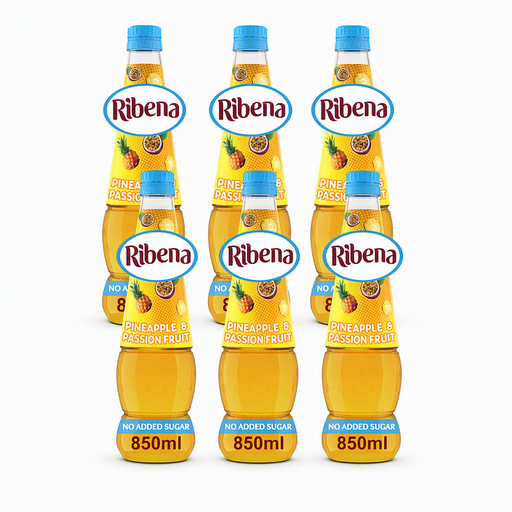
The six-bottle pack provides a stated quantity for an event, with pineapple and passion fruit flavours. Its product information states 10% fruit juice and says to refrigerate after opening and use within 21 days. The listed 0.2 g sugars per 100 ml is for undiluted squash; check the bottle’s dilution instructions and prepared-drink nutrition before comparing servings.
 No image available
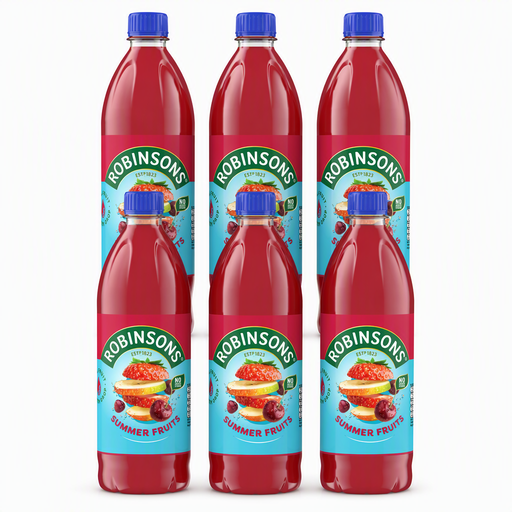
This six-bottle pack offers a stated quantity of summer-fruit squash for event planning. Its product information gives 0.6 g sugars per 250 ml diluted serving. Check the bottles for the preparation ratio, after-opening instructions and current allergen information before estimating servings or making drinks.
 No image available
This single 1L bottle suits a smaller squash purchase for a stall. Joybuy’s product information states 2 calories per 100 ml diluted serving. Check the bottle for a measured dilution ratio, serving yield, sugars in the prepared drink and current ingredient information before using it for service.
No. No-added-sugar squash can contain naturally occurring sugars: Waitrose & Partners states this on its Robinsons Summer Fruits listing. Use the wording on the bottle rather than calling it sugar-free on a stall sign.
Compare drinks on the same prepared basis at their stated dilution. A figure for undiluted concentrate cannot be compared directly with one for a ready-to-serve glass; also check whether the labels use the same serving size.
No. Marks & Spencer describes M&S Pink Grapefruit High Juice as containing 50% fruit juice and no added sugar, while its concentrate nutrition lists sugars. Check the sugar information separately from the fruit-juice percentage.
Keep the current bottle or its ingredient and allergen information at the serving point so you can answer questions about the drink actually being made. Some examples here list sulphites and sweeteners; check each bottle rather than relying on the words “no added sugar”.