Everyday exercisers who prefer a flavoured drink
If plain water is unappealing after a routine workout, diluted no-added-sugar squash is another drink option. The NHS identifies water as the preferred way to replace fluid lost through activity.


No-added-sugar squash can be a flavoured drink after an everyday workout, but choose it for fluid rather than as a replacement for recovery food. The NHS identifies water as the preferred way to replace fluid lost through activity; when quick recovery is needed before another hard session, the British Dietetic Association advises starting carbohydrate-rich foods and fluids as soon as possible. Follow the bottle’s dilution directions and compare nutrition for the drink as prepared.
The useful distinction is whether you want a flavoured drink after exercise or need to refuel quickly for another session.
If plain water is unappealing after a routine workout, diluted no-added-sugar squash is another drink option. The NHS identifies water as the preferred way to replace fluid lost through activity.
If another hard session follows soon, do not rely on squash alone for refuelling. The British Dietetic Association advises starting carbohydrate-rich foods and fluids as soon as possible when quick recovery is required.
Compare the prepared drink’s nutrition and the current bottle’s ingredients. No-added-sugar squashes can differ in sweeteners, fruit content and allergens, including sulphites or barley in the products described here.
Decide whether fluid or quick refuelling is your immediate priority, then compare bottles using their dilution directions and prepared-drink labels.
Choose when: You want squash diluted with water after an ordinary workout.
Keep in mind: The NHS identifies water as the preferred way to replace fluid lost through physical activity; a no-added-sugar squash is not a substitute for food when you need to refuel quickly.
Choose when: Another demanding session is coming soon and quick recovery is required.
Keep in mind: The British Dietetic Association advises starting carbohydrate-rich foods and fluids promptly in this situation; that does not mean every workout calls for a sports drink.
| Priority | What to check | Your needs |
|---|---|---|
| Drink preference | Check that the flavour appeals to you and follow the bottle’s dilution directions. The NHS identifies water as the preferred way to replace exercise-related fluid losses. | I would prefer a flavoured drink after an ordinary workout. |
| Quick refuelling | Check the time until your next demanding session and the prepared drink’s carbohydrate content. The British Dietetic Association advises carbohydrate-rich foods and fluids when quick recovery is required. | Another hard session is coming soon, so squash alone would not address my refuelling needs. |
| Sugars per glass | Compare sugars for the drink diluted as directed, using the same serving size. Sainsbury’s lists 2.4g sugars per prepared 250ml serving for its no-added-sugar High Juice Orange and 2.0g for Pink Grapefruit. | I want to know what is in the glass I will drink, rather than treating “no added sugar” as “sugar-free”. |
| Dilution | Read each product’s ratio before comparing servings or prepared-drink nutrition. ASDA specifies one part Summer Fruits squash to nine parts water; its Ribena Summer Fruits listing specifies one part squash to four parts water. | Two bottles may make different amounts of drink, so I want to compare them after dilution. |
| Ingredients | Check the current pack for sweeteners, fruit content and allergens. The sampled Sainsbury’s Pink Grapefruit product lists sulphites, while ASDA’s Vimto Double Strength listing identifies barley. | I need to avoid a particular ingredient, so the exact flavour and bottle matter more than the category name. |
A flavoured drink and rapid refuelling serve different purposes. The British Dietetic Association advises carbohydrate-rich foods and fluids when quick recovery is required.
For ordinary post-exercise thirst, choose water or squash diluted as directed. If another demanding session follows soon, plan food or fluid that addresses refuelling as well.
A no-added-sugar claim does not mean there are no sugars in the prepared drink. Sainsbury’s lists sugars per prepared serving for its no-added-sugar High Juice squashes.
Read the sugars figure for the diluted serving and check the ingredients rather than relying on the front-of-pack wording.
Different mixing directions change how much prepared drink a bottle makes and the concentration in each glass. ASDA lists one part Summer Fruits squash to nine parts water, while its Ribena Summer Fruits listing uses one part to four parts water.
Follow each bottle’s directions and compare nutrition on a prepared-serving basis where the labels provide one.
Ingredient and allergen profiles differ: the sampled Sainsbury’s Pink Grapefruit squash lists sulphites, and ASDA’s Vimto Double Strength listing identifies barley.
Check the current pack when changing flavour, format or brand, particularly if you avoid a specific ingredient.
These examples show why flavour, fruit content and ingredients are worth checking product by product; a retailer’s range does not give every bottle the same formulation.
A branded no-added-sugar squash option with flavours and formats that vary by product.
An own-label route that includes no-added-sugar squash in different flavours and strengths.
An own-label High Juice option for shoppers comparing stated fruit content.
An own-label Summer Fruits squash with stated mixing and serving information.
An own-label option with stated fruit content in the sampled Orange and Pink Grapefruit products.
A retailer route with own-label no-added-sugar squash and High Juice flavours.
These squash options are for shoppers who want a flavoured drink after routine exercise. Choose by flavour, bottle size and the current pack’s dilution, prepared-drink nutrition and ingredients; do not treat squash alone as quick-refuelling food or fluid.
 Image unavailable
A blackcurrant-flavoured option for a drink after routine exercise. Follow the bottle’s dilution directions and check its prepared-serving nutrition and ingredients if those affect your choice.
 Image unavailable
An orange-flavoured option if you prefer squash after an everyday workout. Check the pack’s mixing directions and ingredients, including allergens, before preparing a glass.
 Image unavailable
A summer-fruits alternative for a flavoured drink after routine exercise. Use the bottle’s dilution directions and read the prepared-drink nutrition if comparing it with another flavour.
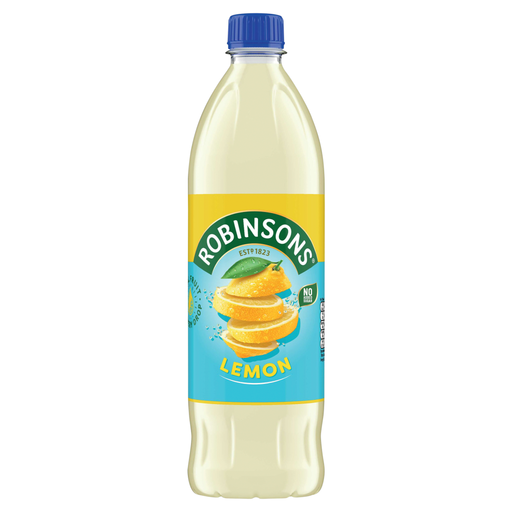 Image unavailable
A lemon-flavoured choice for a drink after ordinary exercise. Read the current pack’s ingredients if you avoid particular sweeteners, and mix it as directed.
 Image unavailable
A pineapple and passion-fruit option if flavour is your main reason for choosing squash after a routine workout. Check the bottle’s dilution directions and prepared-drink label when comparing servings.
No. A no-added-sugar claim does not mean the prepared drink contains no sugars. For example, Sainsbury’s lists 2.4g sugars per prepared 250ml serving for its no-added-sugar High Juice Orange and 2.0g for Pink Grapefruit. Check the nutrition panel for the drink as prepared.
It can be a flavoured drink after routine exercise, but do not rely on it alone when quick refuelling is required. The British Dietetic Association advises starting carbohydrate-rich foods and fluids as soon as possible when recovery time is short before another demanding session.
Follow the particular bottle’s directions rather than assuming a stronger mixture is needed. ASDA directs shoppers to mix one part Summer Fruits squash with nine parts water, while its Ribena Summer Fruits listing specifies one part squash to four parts water; changing the ratio also changes what is in the prepared glass.
Check the exact current bottle, not just the brand. The sampled Sainsbury’s Pink Grapefruit squash lists sulphites, and ASDA’s Vimto Double Strength listing identifies barley. Ingredients can differ between flavours and products.
Follow that bottle’s storage instructions rather than applying another squash’s directions. For example, ASDA’s Ribena Summer Fruits listing says to refrigerate it after opening and drink it within 21 days.