Viewers replacing a sugary drink
If you expect to have more than one glass during the match, compare the energy and sugars stated for the diluted squash. The NHS suggests diet, sugar-free or no-added-sugar drinks as alternatives to sugary drinks.


For watching the football, a no-added-sugar squash is a practical option if you want to replace a sugary drink, but compare energy and sugars in the prepared drink rather than relying on the front label. Choose a flavour people will drink, follow that bottle’s dilution directions when making a jug, and check the ingredients for anyone with a dietary exclusion. A higher fruit-juice percentage does not, by itself, tell you how much sugar will be in the glass.
If you expect to have more than one glass during the match, compare the energy and sugars stated for the diluted squash. The NHS suggests diet, sugar-free or no-added-sugar drinks as alternatives to sugary drinks.
Check the bottle’s dilution directions and stated serving yield before making a jug. Concentrates are not all mixed at the same ratio, so a familiar-looking bottle may need a different amount of water.
No-added-sugar squash can still contain naturally occurring sugars and sweeteners. If someone avoids particular ingredients, read the full label on the exact flavour being served.
Start with a flavour that suits the gathering, then compare prepared-drink nutrition and check how that particular concentrate must be mixed.
| Priority | What to check | Your needs |
|---|---|---|
| Flavour | Check the named fruit flavour and any fruit-juice percentage. Mix a glass using the bottle’s directions before adjusting it to taste. | I want a drink people will enjoy throughout the match, whether they prefer orange, summer fruits or a more fruit-led flavour. |
| Prepared-drink nutrition | Compare energy and sugars for the diluted drink on the same basis, such as per 100ml. Do not compare a concentrate figure with a prepared-glass figure. | If I am replacing a sugary drink, I want to know what is in the squash as served, especially if I may pour another glass. |
| Ingredients | Read the exact bottle’s ingredient and allergen information. A no-added-sugar claim is not a statement that the drink is free from naturally occurring sugars, sweeteners or sulphites. | Someone I am serving may need to check a particular sweetener or other ingredient before having a glass. |
| Mixing a jug | Check the concentrate-to-water ratio, bottle size and any stated number of servings. Waitrose & Partners suggests one part squash to nine parts water for its Essential No Added Sugar Apple & Blackcurrant squash; other bottles may differ. | With several people watching, I need enough prepared drink and a recipe I can use consistently for each jug. |
Waitrose & Partners’ listings for Robinsons Orange and Vimto No Added Sugar both say the drinks contain naturally occurring sugars. The front-label wording does not settle what is in a prepared glass.
Check the diluted nutrition information and ingredient list for the flavour you intend to serve.
A bottle’s volume alone does not tell you how many glasses it will make. Using the wrong mixing ratio also changes the squash concentration in each glass.
Use each product’s stated directions before comparing prepared-drink nutrition or planning how much to make.
Marks & Spencer describes its Pink Grapefruit High Juice as made with 50% fruit juice. That percentage describes an ingredient, not the sugar content of the drink after dilution.
Choose a high-juice variety for its flavour if that appeals, but compare its prepared-drink nutrition and ingredients separately.
Ingredient details matter when a guest needs to avoid a particular substance, and the bottle being served is the relevant product.
Check its physical label before mixing the drinks, particularly for sweeteners and sulphites.
These examples show why flavour, concentration and ingredients need checking product by product; they are not a ranking or a list of Joybuy stock.
Robinsons offers no-added-sugar fruit squash, including an Orange product listed by Waitrose & Partners.
Tesco’s grocery range includes an own-label no-added-sugar squash option.
Waitrose & Partners lists an Essential No Added Sugar Apple & Blackcurrant squash alongside branded choices.
M&S lists both no-added-sugar squash and a high-juice fruit option.
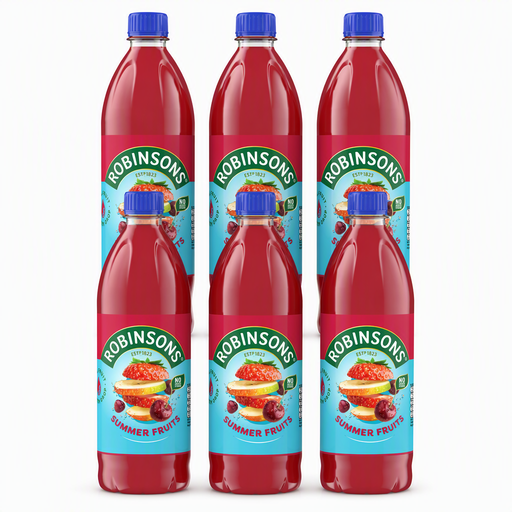
These Robinsons no-added-sugar squash options cover orange and summer-fruits flavours, including a six-bottle pack for a gathering. Check each bottle’s mixing directions and label before comparing drinks as served.
 No image available
The six-bottle pack is an option to consider when making summer-fruits squash for several viewers. Check the bottle’s dilution directions before deciding how much concentrate to put in a jug, and read its ingredients for any household exclusions.
 No image available
This 1L orange squash suits a group that prefers a citrus flavour. Compare the prepared-drink nutrition on the bottle, and follow its own dilution directions rather than using the recipe from another Robinsons variety.
 No image available
This single 1L bottle offers a summer-fruits flavour without committing to the six-bottle pack. Check the current bottle’s prepared-drink energy and dilution directions before comparing it with another variety, and read the ingredients if sweeteners or sulphites matter to your group.
No: “no added sugar” does not establish that a prepared drink contains no sugars. Waitrose & Partners’ listings for Robinsons Orange and Vimto No Added Sugar say they contain naturally occurring sugars. Read the diluted nutrition panel on the exact bottle.
Compare energy and sugars for the prepared drink using the same stated basis across products, such as per 100ml diluted. A figure for undiluted concentrate cannot be compared directly with one for a mixed glass; follow each bottle’s recipe when judging what you will serve.
No. Waitrose & Partners suggests one part squash to nine parts water for its Essential No Added Sugar Apple & Blackcurrant product, but that is not a general recipe. Read the directions on your chosen bottle before mixing a jug.
Not necessarily. Marks & Spencer describes its Pink Grapefruit High Juice as made with 50% fruit juice, but fruit content and prepared-drink sugar are different label measures. Check the diluted nutrition information if sugar content is part of your decision.
Check the full ingredient and allergen information on the physical bottle before serving it. A no-added-sugar label alone does not tell you whether that flavour contains a particular sweetener or sulphites.