Hosts serving guests of different ages
Squash can be diluted in a jug or individual glasses. Check the bottle’s directions and stated serving count when deciding how much to prepare, and follow any age-related instructions on the pack.


For a garden party, compare no-added-sugar squash by the nutrition of the prepared drink, then choose a bottle and dilution format that suit your guest count. A higher fruit-juice percentage does not necessarily mean less sugar per glass; check the current label for sweeteners, sulphites and any phenylalanine warning before serving guests with relevant requirements.
Squash can be diluted in a jug or individual glasses. Check the bottle’s directions and stated serving count when deciding how much to prepare, and follow any age-related instructions on the pack.
Compare figures for the prepared drink, not just a no-added-sugar claim. Tesco Groceries lists Robinsons Double Strength Summer Fruits at 5 kcal per 250 ml diluted serving, while Sainsbury’s lists its High Juice Pink Grapefruit at 19 kcal and 2.0 g sugars per 250 ml serving.
Sweeteners and sulphites differ between squash recipes. Check the exact bottle before serving, including whether it carries a phenylalanine warning relevant to a guest’s requirements.
Start with the prepared drink, then check how many servings the bottle makes and whether its ingredients suit the people you are serving.
| Priority | What to check | Your needs |
|---|---|---|
| Sugar and energy | Compare energy and sugars per stated diluted serving at each bottle’s directed strength. A no-added-sugar claim does not establish zero total sugars. | I want to compare what will be in each prepared glass. Tesco Groceries lists Robinsons Double Strength Summer Fruits at 5 kcal and 0 g sugars per 250 ml diluted serving; Sainsbury’s lists High Juice Pink Grapefruit at 19 kcal and 2.0 g sugars per 250 ml serving. |
| Servings | Read the bottle’s serving count, volume and dilution directions together; follow the directions when estimating how many drinks to make. | For a larger group, I need enough concentrate for the planned number of glasses. Tesco Groceries states 40 servings at a 1:9 dilution for Robinsons Double Strength Summer Fruits; Waitrose & Partners states 60 servings and suggests a 1:9 dilution for Essential No Added Sugar Lemon. |
| Fruit content | Check the fruit-juice percentage for the exact flavour, alongside sugars and energy for its prepared serving. Fruit percentage alone is not a nutrition ranking. | I may prefer a recipe with more fruit juice, provided its prepared-drink figures suit the menu. Sainsbury’s lists 50% fruit juice for its High Juice Pink Grapefruit, with 2.0 g sugars per 250 ml serving. |
| Ingredients | Read the current ingredient and allergen statements for sweeteners and sulphites. Check for a phenylalanine warning where a product contains aspartame. | Before I put out a self-serve jug, I want to check whether the chosen squash fits guests’ known ingredient requirements. The Food Standards Agency notes that sulphites can occur in soft drinks and that people with asthma have a higher risk of reaction to sulphur dioxide. |
Fruit ingredients can contribute sugars. Sainsbury’s lists 2.0 g sugars per 250 ml serving for its no-added-sugar High Juice Pink Grapefruit.
Compare the energy and sugar figures for the diluted drinks you intend to serve, rather than comparing an undiluted figure with a prepared serving.
Sweeteners and sulphites vary by recipe. Sainsbury’s listing for Ribena Blackcurrant No Added Sugar also carries a phenylalanine warning.
Check the current label of each flavour before serving guests with relevant dietary or ingredient requirements.
Concentration and dilution directions affect the number of prepared drinks. Tesco Groceries states 40 servings for Robinsons Double Strength Summer Fruits, while Waitrose & Partners states 60 for its Essential No Added Sugar Lemon.
Use the stated serving count to plan for guests, and consider whether you will use any concentrate left after the party.
The bottle is the practical check for the ingredients, warnings and dilution directions of the squash you will actually serve.
Shortlist flavours online, then read the pack before preparing a drink for someone with a relevant allergy or dietary requirement.
These examples show different squash formats and recipes; check the named product rather than assuming every flavour in a range has the same ingredients or nutrition.
No-added-sugar squash is available in a double-strength format.
Tesco Groceries lists several own-label no-added-sugar High Juice flavours.
High Juice Pink Grapefruit is a no-added-sugar option with a stated 50% fruit-juice content.
M&S lists no-added-sugar choices alongside high-juice squash in its range.
Essential No Added Sugar Lemon Squash is a concentrated option with a stated serving count.
These no-added-sugar fruit squash options offer flavours and pack sizes to consider for a garden party. Use the directions and current label of the bottle you choose to plan servings and check ingredients.
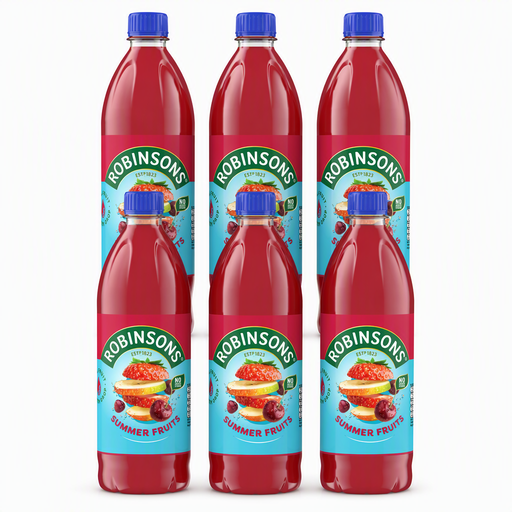 No image available
The six-bottle pack is an option when preparing squash for a group. Check the pack directions for dilution and servings, and check its ingredient and phenylalanine information before serving guests with relevant requirements.
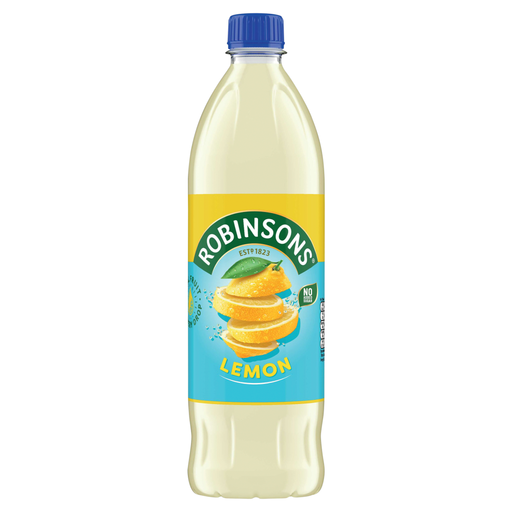 No image available
A lemon-flavoured option for a garden-party drink. Follow the bottle’s dilution directions when planning glasses, and check its ingredient and phenylalanine information for guests with relevant requirements.
 No image available
An orange option for guests who prefer that flavour. Check the pack’s dilution directions and sulphite information; the product information also says it is not suitable for children under 36 months.
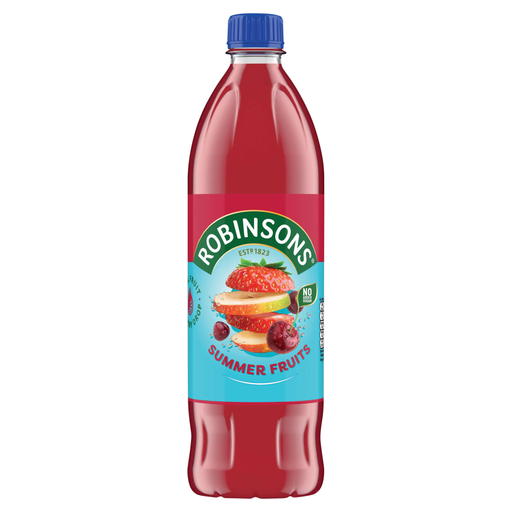 No image available
A single-bottle summer-fruit option. Use its current pack label to compare the prepared drink, follow the dilution directions and check sulphites for guests with relevant requirements.
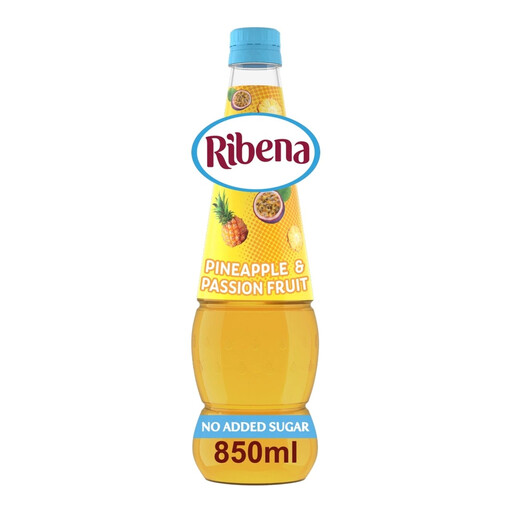 No image available
A pineapple and passion-fruit option when offering guests a different flavour. Check the pack for prepared-drink nutrition and dilution directions, as well as its sulphite and phenylalanine information.
No. The Advertising Standards Authority explains that ‘no added sugars’ concerns added sugars and foods used for sweetening; fruit ingredients can still contribute sugars. For example, Sainsbury’s lists 2.0 g sugars per 250 ml serving for its no-added-sugar High Juice Pink Grapefruit.
Plan from the chosen bottle’s serving count and dilution directions, then allow for the number of glasses you expect to pour. Tesco Groceries states 40 servings at a 1:9 dilution for Robinsons Double Strength Summer Fruits; Waitrose & Partners states 60 servings and suggests a 1:9 dilution for Essential No Added Sugar Lemon.
The recipes differ, so check the exact flavour’s ingredient list. The Robinsons Double Strength Summer Fruits, Sainsbury’s High Juice Pink Grapefruit and Waitrose Essential Lemon listings name sweeteners; Sainsbury’s listing for Ribena Blackcurrant No Added Sugar names aspartame and carries a phenylalanine warning.
Read the current bottle’s ingredient and allergen information, particularly for sulphites where relevant to that guest. The Food Standards Agency notes that sulphur dioxide and sulphites can occur in soft drinks and that people with asthma have a higher risk of reaction to sulphur dioxide.
Use the listing to shortlist a squash, then check the actual pack before serving it. That lets you confirm the ingredients, warnings and dilution directions for the bottle you have bought.