What should you check before buying?
Start with the drink you intend to serve: its prepared-glass nutrition, ingredients and dilution directions matter more than the wording on the front of the bottle alone.
| Priority | What to check | Your needs |
|---|
| Sugars per glass |
Read the sugars and energy values for a prepared serving of the exact squash. Sainsbury’s lists 0g sugars for Robinsons Orange and 1.9g for its High Juice Blackcurrant, each per 250ml diluted serving; their stated energy values are 3kcal and 11kcal respectively. |
I want to offer a flavoured option without added sugar, but I still need to know how much sugar is in the drink people pour. |
| Ingredients |
Check the current pack for sweeteners and allergens. The reviewed Robinsons Orange and Sainsbury’s High Juice Blackcurrant listings include sodium metabisulphite or sulphites. |
If attendees have ingredient-specific requirements, I need them to be able to check the bottle; plain water also gives them an alternative. |
| Servings and dilution |
Follow the ratio on the chosen bottle and check its stated yield. Waitrose & Partners specifies one part Vimto No Added Sugar Squash to four parts water and lists 40 servings. |
For a shared jug or self-service table, I want to prepare enough drink at the labelled strength rather than judge quantities by bottle size alone. |
| Fruit content |
Compare the ingredient list alongside sugars per diluted serving. Sainsbury’s lists blackcurrant juice from concentrate in its High Juice Blackcurrant squash and 1.9g sugars per 250ml prepared drink. |
Some attendees may prefer a higher-juice option; I would not assume that means less sugar in the finished drink. |
Joybuy squash options
These no-added-sugar squash concentrates offer different flavours and pack sizes for preparing work-meeting refreshments. Check each bottle’s current label when ingredients, dilution or prepared-drink nutrition affect your choice.
 No image available
Robinsons No Added Sugar Orange Squash 1L
A 1L orange squash for a shared jug. For the matching Robinsons Orange product, Sainsbury’s specifies one part squash to four parts water and lists 0g sugars per 250ml prepared drink. Check the current pack for sweeteners and sulphites before serving.
 No image available
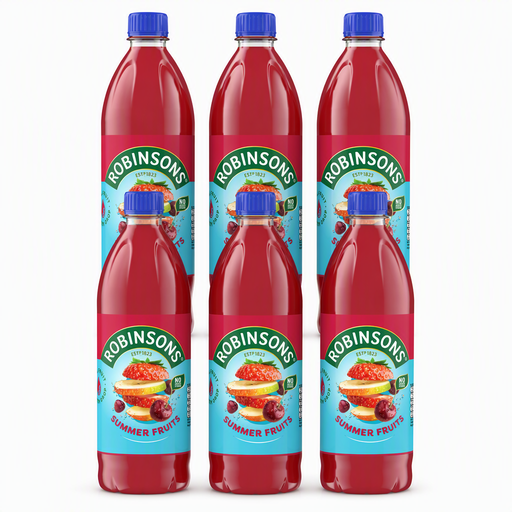
Robinsons No Added Sugar Summer Fruits Squash 6 x 1L
The six-bottle pack gives an organiser separate 1L containers to prepare or put out during a meeting. Check this variant’s dilution directions and current ingredients before serving.
 No image available
Ribena No Added Sugar Blackcurrant Squash Concentrate 1.5L
A 1.5L blackcurrant concentrate for preparing drinks rather than handing out individual cartons. Check whether the bottle’s nutrition figures describe concentrate or prepared drink before comparing them with other squashes, and review its ingredients for sweeteners and sulphites.
 No image available
Ribena No Added Sugar Pineapple and Passion Fruit Squash 850ml
An 850ml option if pineapple and passion fruit suit the meeting’s flavour selection. Check the current pack for its preparation directions, prepared-drink nutrition and ingredients before deciding how much to make.
 No image available
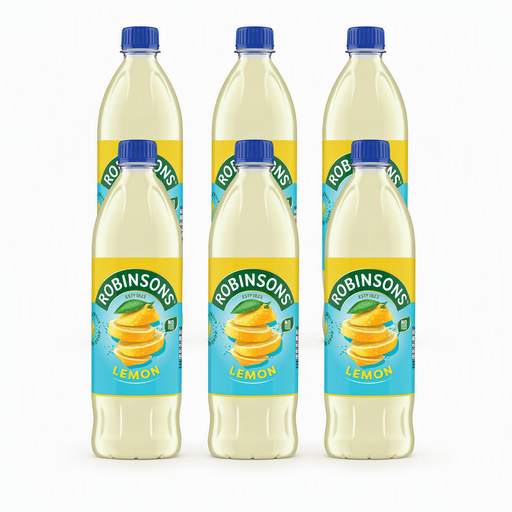
Robinsons No Added Sugar Real Fruit Lemon Juice Squash 6 x 1L
This six-bottle lemon squash pack offers separate 1L containers for meeting preparation. Check the physical pack’s current ingredients, prepared-drink nutrition and dilution directions, particularly if attendees need to avoid specific ingredients.
Frequently asked questions
Does “no added sugar” mean squash contains no sugars?
No. A no-added-sugar product can contain naturally occurring sugars: Waitrose & Partners lists 0.8g sugars per 250ml diluted serving for Vimto No Added Sugar Squash. Check the prepared-drink nutrition panel if total sugars affect your choice.
Should squash be the only drink at a work meeting?
Offer plain water as well as squash, particularly when attendees’ ingredient requirements are unknown. Keep the squash bottle available so people can check its sweeteners and allergens before choosing a drink.
Can attendees avoiding sulphites have no-added-sugar squash?
Do not assume so. The reviewed Robinsons Orange and Sainsbury’s High Juice Blackcurrant products list sodium metabisulphite or sulphites, which the Food Standards Agency identifies as a possible risk for people with a sensitivity. Check the exact product’s current label and provide an alternative when needed.
How should I calculate squash for a meeting?
Use the chosen bottle’s dilution directions and stated serving yield, then plan for the number of drinks you expect to prepare. For example, Waitrose & Partners lists 40 servings for Vimto No Added Sugar Squash at one part squash to four parts water; another product may give different directions.
Is a supermarket product page enough to check ingredients?
Use a product page to plan, but check the current bottle label before serving, especially when an attendee has an ingredient-specific requirement. The label lets you confirm the ingredients of the product actually at the meeting.


