What should you check before buying?
Start with the likely number of prepared drinks, then compare nutrition at the intended dilution and check whether the bottle suits the people and storage space at the property.
| Priority | What to check | Your needs |
|---|
| Servings and space |
Read the stated servings per bottle and water-to-squash ratio. Tesco Groceries lists 100 servings and a 1:19 dilution for its 1.5L Quadruple Strength Tropical squash; Robinsons lists 20 servings for Orange Mini. |
I want enough drinks for the expected visitors without storing more concentrate than we are likely to use between visits. |
| Sugars per glass |
Compare the “of which sugars” figure for similarly sized prepared drinks, rather than comparing concentrate with diluted squash. Sainsbury’s lists 2.4g sugars per prepared 250ml serving for its no-added-sugar High Juice Orange. |
A no-added-sugar label is useful to me, but I also want to know the total sugars in the drink I will serve. |
| Fruit content |
Read the fruit-juice percentage alongside the prepared-drink nutrition panel. Sainsbury’s labels its High Juice Orange as 50% fruit juice; UK Department of Health and Social Care oral-health guidance includes sugars naturally present in fruit juices and concentrates within free sugars. |
If fruit content matters to us, I still want to compare sugars per glass rather than assume a higher fruit percentage means less sugar. |
| Storage and dates |
Check the bottle’s best-before date and its unopened and opened storage instructions. The M&S Orange Double Strength listing specifies a cool, dry place away from sunlight. |
Our visits can be far apart, so I need a bottle size and storage location that fit how we actually use the property. |
| Ingredients and users |
Read the current ingredient and allergen statements for the exact bottle, including sweeteners, sulphites and any directions concerning children. |
Guests may have different ingredient needs; I would rather check the shared stock before leaving it for others to use. |
Brand and range references
These examples illustrate label differences to check; a brand name alone does not establish the nutrition, ingredients or yield of every variant.
Robinsons
Its no-added-sugar range includes standard concentrates and an Orange Mini format for smaller storage spaces.
- Robinsons describes Orange Mini as a 20-serving pack.
- Check the chosen variant’s sweeteners and sulphite declaration rather than selecting it on pack size alone.
Tesco
Its cited own-label no-added-sugar products include double- and quadruple-strength squash.
- Tesco Groceries states 100 servings and a 1:19 dilution for Quadruple Strength Tropical.
- Tesco Double Strength Orange has a different format; compare its own prepared-drink panel and current ingredients.
Sainsbury’s
High Juice Orange is a no-added-sugar option for shoppers who want a stated fruit-juice percentage.
- Sainsbury’s labels this variant as 50% fruit juice.
- It lists 2.4g sugars per prepared 250ml serving, so fruit content should not stand in for a sugar comparison.
M&S
The cited Orange Double Strength squash comes in a 1.5L bottle.
- The M&S product listing states 60 servings.
- Follow its cool, dry storage directions and check its sulphite and child-use wording before shared use.
Waitrose
Essential No Added Sugar Summer Fruits is a cited 1.5L double-strength option.
- Waitrose lists 60 servings and a 1:9 dilution.
- Check the current packaging for ingredients and storage directions, particularly when buying ahead for future visits.
Joybuy squash options
These no-added-sugar concentrates offer bottle and pack sizes to consider for second-home stocking. Check each current label against your expected visits and the people who will drink it.
 No image available
Robinsons No Added Sugar Orange Squash 1L
A single bottle may suit a property where you do not want to store a multipack. The product description gives 3 kcal per prepared 250ml glass and directs cool, dark, dry storage before opening and refrigeration after opening. Check the bottle for its dilution instructions and the warning concerning children under 36 months.
View on Joybuy
 No image available
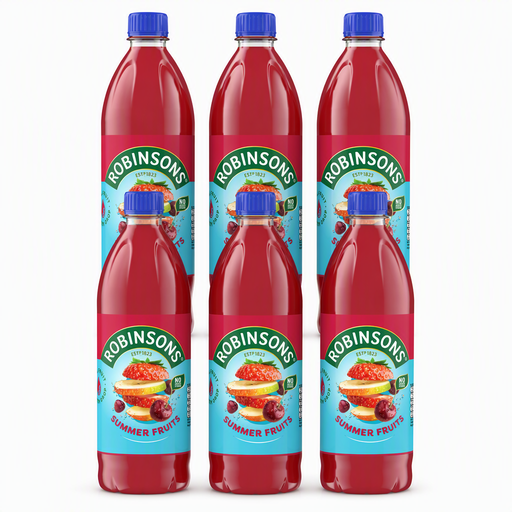
Robinsons No Added Sugar Summer Fruits Squash 6x1L
This six-bottle pack is worth considering when visits or guest numbers justify keeping several bottles. The product description states up to 25 prepared 250ml servings per bottle. Its prepared-drink sugar figures conflict, so check the current bottle’s nutrition panel before comparing sugars; also check the dates if visits are infrequent.
View on Joybuy
 No image available
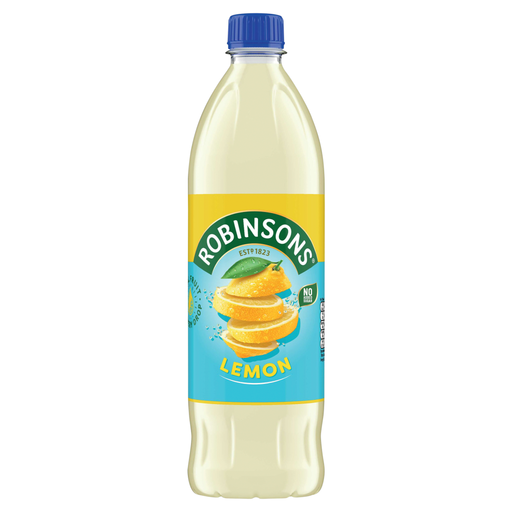
Robinsons No Added Sugar Lemon Squash 1L
This single-bottle lemon option may suit a smaller cupboard. The description states 10% lemon juice from concentrate and gives cool, dry storage directions, with refrigeration after opening. Ingredient and allergen wording differs across the listing, so check the bottle itself, particularly if sulphites or specific sweeteners matter to a guest.
View on Joybuy
 No image available
Ribena No Added Sugar Blackcurrant Concentrate 1.5L
This 1.5L bottle offers a blackcurrant option where there is room to store a larger concentrate. The listing directs cool, dry storage away from sunlight and refrigeration after opening. Its calorie wording conflicts with its nutrition table, so use the current bottle’s prepared-drink panel for comparison; the listing also names sweeteners and sodium bisulphite.
View on Joybuy
 No image available
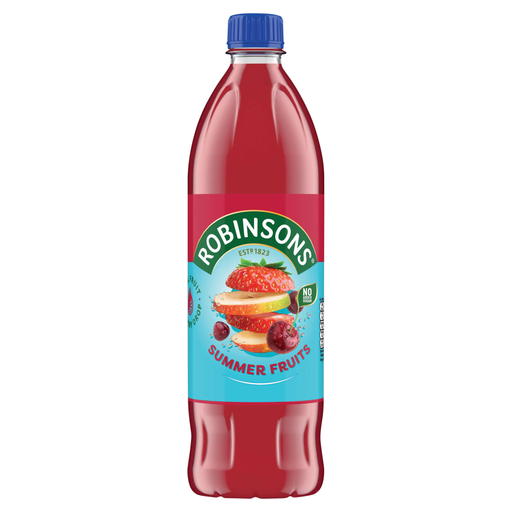
Robinsons No Added Sugar Summer Fruits Squash 1L
This single summer-fruits bottle avoids committing cupboard space to the six-pack. The description lists 2 kcal per 100ml of diluted drink and directs storage in a cool, dry place away from sunlight. Check the bottle for its dilution, prepared-drink sugars, opened-bottle directions and sulphite declaration before leaving it between visits.
View on Joybuy
Questions about second-home squash
Does “no added sugar” mean a squash has no sugars?
No. Sainsbury’s lists 2.4g sugars per prepared 250ml serving for its no-added-sugar High Juice Orange. Compare the “of which sugars” figure at the dilution you will use; UK Department of Health and Social Care oral-health guidance includes sugars naturally present in fruit juices and concentrates within free sugars.
Which squash format works with limited second-home storage?
Choose by expected drinks as well as bottle size. Tesco Groceries lists 100 servings from its 1.5L Quadruple Strength Tropical bottle, while Robinsons lists 20 for Orange Mini and the cited M&S and Waitrose double-strength bottles list 60 each. Check the dates and storage instructions before buying more than you expect to use.
How should unopened squash be stored between visits?
Follow the exact bottle label and check its best-before date before leaving stock at the property. The cited M&S, Tesco and Waitrose products specify cool, dry storage; the M&S listing also says to keep its bottle away from sunlight. Check separate directions for a bottle once opened.
Will one no-added-sugar squash suit every guest?
Do not assume so. The cited products include variants with sweeteners and sulphites or sodium metabisulphite, and child-use directions vary. Read the current ingredient, allergen and child-use wording on the exact bottle before leaving it for guests.
Should no-added-sugar squash replace water?
No. NHS guidance presents water as a drink choice and suggests diet, sugar-free or no-added-sugar drinks as alternatives to sugary drinks. If you stock squash for flavour, dilute it according to its directions and keep water available.


