Families packing drinks for day trips
A concentrate may be convenient to carry, but you will need drinking water and a way to mix it. Check the bottle’s dilution instructions and stated servings before deciding how much to pack.


Choose a squash labelled no added sugar, then compare sugars in the diluted drink, mixing instructions and ingredients rather than relying on the front-of-pack claim alone. According to Advertising Standards Authority and Committee of Advertising Practice guidance, no added sugars does not mean sugar-free; fruit ingredients can still contribute sugars. For family outings, check the bottle’s age guidance and whether its dilution routine will be practical when you are away from home.
A concentrate may be convenient to carry, but you will need drinking water and a way to mix it. Check the bottle’s dilution instructions and stated servings before deciding how much to pack.
If the claim matters to you, also read the diluted drink’s ‘of which sugars’ value. As Advertising Standards Authority and Committee of Advertising Practice guidance explains, no added sugars does not rule out naturally occurring sugars.
The NHS recommends diluting squash well. Check the exact bottle for age and mixing guidance; NHS advice for bottles and trainer cups specifies breast milk, formula milk or water.
Start with the claim and the drink as prepared, then check whether the ingredients and mixing instructions fit your plans.
| Priority | What to check | Your needs |
|---|---|---|
| No-added-sugar claim | Look for the exact claim, then read ‘of which sugars’ for the diluted drink. Advertising Standards Authority and Committee of Advertising Practice guidance distinguishes no added sugars from zero total sugars. | I want to avoid added sugar without assuming that fruit-based squash contains no sugars. |
| Dilution and servings | Follow the ratio on the individual bottle. Tesco Groceries lists 1 part Robinsons Double Strength Summer Fruits to 9 parts water; Sainsbury’s lists 1 part High Juice Orange to 4 parts water. Compare nutrition at the stated dilution. | On a day out, I need enough water and a bottle or cup to make each drink at the intended strength. |
| Fruit and prepared sugars | Check fruit-juice percentage separately from sugars per prepared serving. Sainsbury’s lists 50% fruit juice and 2.4g sugars per 250ml diluted serving for its no-added-sugar High Juice Orange. | If fruit content matters to me, I still want to know how much sugar is in the drink I will serve. |
| Ingredients | Read the current ingredient and allergen list for sweeteners and sulphites. Marks & Spencer lists sucralose and sulphites for its Lemon and Lime High Juice. | Someone drinking the squash may need to avoid a particular ingredient, so I cannot choose by the front label alone. |
| Children’s guidance | Check age advice on the exact bottle and dilute as directed. The NHS advises diluting squash well and says bottles or trainer cups should contain only breast milk, formula milk or water. | For children, I want a drink routine that follows the product’s age guidance rather than treating squash as the default drink. |
Fruit ingredients can contribute sugars. Waitrose lists 2.1g sugars per 250ml serving for its no-added-sugar Blackcurrant High Juice.
Check both the claim and the diluted drink’s ‘of which sugars’ value.
Tesco Groceries lists a 1:9 squash-to-water ratio for Robinsons Double Strength Summer Fruits, while Sainsbury’s lists 1:4 for High Juice Orange. Pouring more concentrate changes the drink from the preparation described by its nutrition information.
Measure against the instructions on the bottle you are serving and compare products at their stated dilutions.
Fruit percentage and prepared-drink sugars measure different things. Sainsbury’s lists 2.4g sugars per 250ml diluted serving for its 50%-juice High Juice Orange; Tesco Groceries lists 0g per 250ml diluted serving for Robinsons Double Strength Summer Fruits.
Compare the prepared nutrition values as well as fruit content before choosing between these types of squash.
Marks & Spencer lists sucralose and sulphites for its Lemon and Lime High Juice and states that it is not suitable for babies.
Read the current label on the exact bottle, particularly when choosing for a young child or someone avoiding specific ingredients.
These examples show why the exact variant and its preparation instructions matter more than the brand name alone.
Tesco Groceries lists Double Strength Summer Fruits No Added Sugar as a 1L concentrate.
Sainsbury’s no-added-sugar High Juice Orange offers a fruit-juice-focused option.
Marks & Spencer lists a no-added-sugar Lemon and Lime High Juice with 50% fruit juice and a separate double-strength Orange Squash.
Waitrose no-added-sugar Blackcurrant High Juice is another high-juice squash to compare by its prepared serving.
These orange, summer-fruit, blackcurrant and tropical-fruit concentrates offer different flavours and bottle formats for holiday use. Check each bottle’s diluted nutrition, ingredients and mixing instructions before choosing.
 No image available
A single-bottle orange option for mixing drinks as needed. Check the bottle’s dilution and age instructions, along with its current ingredient and allergen list.
 No image available
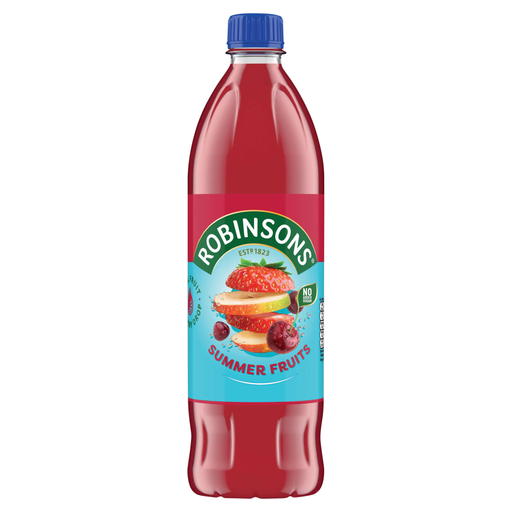
A single-bottle summer-fruit option. Read the current label for the mixing ratio, sugars in the prepared drink and ingredients before comparing it with another concentrate.
 No image available
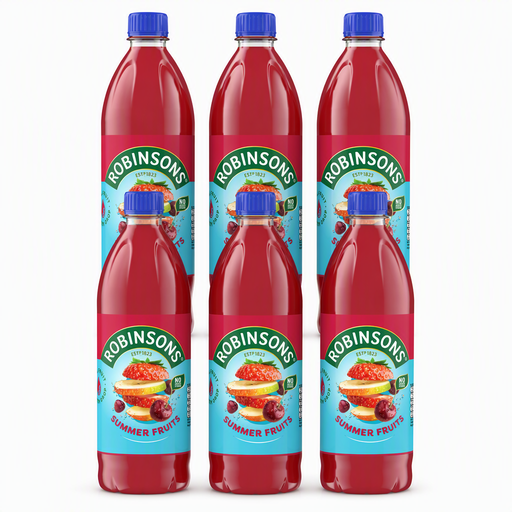
The six-bottle format may suit a shared holiday supply if you have room to store it. Use the mixing and child-specific guidance on each bottle, and check ingredients if sweeteners or sulphites matter to you.
 No image available
A larger single bottle for those choosing a blackcurrant flavour. Follow its own mixing and age guidance, and compare nutrition only when the values clearly describe the prepared drink.
 No image available
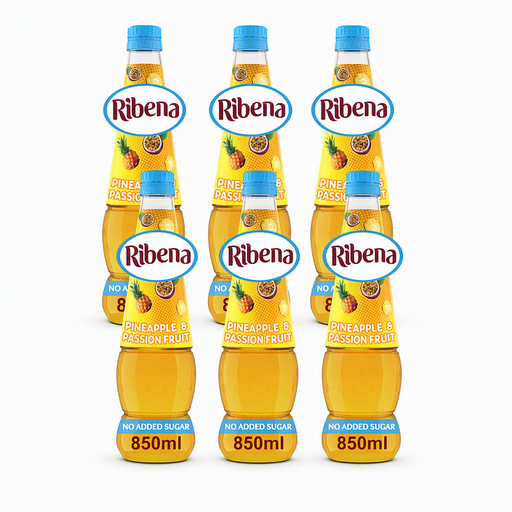
A six-bottle tropical-fruit option for a shared supply. Check the label’s dilution ratio and prepared-drink nutrition rather than comparing undiluted values with drinks ready to serve.
No. Advertising Standards Authority and Committee of Advertising Practice guidance says a no added sugars claim excludes added sugars and foods used for sweetening, but fruit ingredients can still contribute sugars. Waitrose lists 2.1g sugars per 250ml serving for its no-added-sugar Blackcurrant High Juice.
Compare values for drinks prepared according to their own labels. Tesco Groceries gives a 1:9 squash-to-water ratio for Robinsons Double Strength Summer Fruits, while Sainsbury’s gives 1:4 for High Juice Orange; a heavier pour changes what is in the glass.
Check the child’s age and the product label first, and dilute squash well as the NHS advises. NHS guidance says bottles or trainer cups should contain only breast milk, formula milk or water; Marks & Spencer labels its Lemon and Lime High Juice as not suitable for babies.
Yes. Marks & Spencer lists sucralose and sulphites for its no-added-sugar Lemon and Lime High Juice. If either ingredient matters to you, read the current ingredient and allergen information for the exact squash you intend to buy.