
24/7 Customer Support

Free returns

Same-day & Next-day Delivery

Quality Guaranteed

Unlock Your Welcome Offers: FREE Delivery | Up to 80% OFF | Free 30-day JoyPlus trial
Download the APP
Choosing no added sugar squash can seem straightforward, but the bottles on the shelf are not always comparable. Some nutrition figures refer to the concentrate, while others refer to a diluted serving. A large bottle may also look economical until you check the recommended mixing ratio and the number of servings it provides.
For UK families, the practical choice depends on more than a “no added sugar” claim. Flavour, sweeteners, fruit content, allergens, storage and pack size all affect whether a squash suits everyday use.
“No added sugar” means that sugar has not been added during manufacture. It does not always mean that the drink contains no sugars at all. Fruit juices can contribute naturally occurring sugars, so check the carbohydrate and “of which sugars” figures on the label.
Some products are described as sugar-free cordial or calorie-free, while others are simply low-calorie squash. These descriptions should be checked against the nutrition panel rather than assumed from the front of the bottle.
A concentrated juice drink can show higher values per 100ml because it is intended to be mixed with water. A bottle diluted at one part squash to four parts water will produce a different figure per 250ml glass.
Always check:
Many no added sugar fruit squash products use sweeteners such as aspartame, acesulfame K, sucralose or saccharin. This may suit shoppers reducing sugar, but it is important to read the ingredients if a household member needs to avoid a particular sweetener or source of phenylalanine.
Sulphites are also present in several fruit cordial products, while fruit and barley varieties can contain barley, which is relevant for people avoiding gluten or cereals containing gluten. Product labels can change, so check the packaging before purchase.
Fruit content helps indicate what type of taste to expect, although it does not measure overall flavour intensity. Examples in this range include:
For a recognisable fruit flavour, check the ingredient list for juice from concentrate and its percentage. For example, Ribena concentrated blackcurrant products list 18% blackcurrant juice from concentrate, while the Robinsons lemon options list 10% lemon juice from concentrate.
A low-calorie squash can be useful when replacing full-sugar fizzy drinks, but compare like with like. Robinsons No Added Sugar Lemon lists 5 kcal per 250ml diluted serving, while Robinsons No Added Sugar Orange lists 3 kcal per 250ml diluted serving. Other products list figures per 100ml diluted or undiluted, so the serving size matters.
Treat added vitamins as a secondary consideration rather than a reason to ignore the core nutrition information. For example, selected Ribena products provide vitamin C, while the Robinsons Fruit & Barley Pink Grapefruit drink includes vitamins C, B3, B6 and D according to its product information.
A 1L squash bottle may suit a smaller household or occasional use. Squash multipacks, such as six 1L bottles, can be more practical for regular family hydration, packed lunches, picnics, workplace kitchens or community events. However, check storage space and the period recommended for use after opening.
Most concentrated drinks should be diluted before drinking and refrigerated after opening. Extra water may be recommended when serving toddlers, and some products are not suitable for children under a stated age because they contain sweeteners.

Why This Fits Their Persona: A manageable 1L bottle with a clear lemon flavour suits smaller households and shoppers trying no added sugar squash without committing to a multipack.
The listing gives a diluted serving figure of 5 kcal per 250ml and identifies 10% lemon juice from concentrate, making comparison more straightforward.
Zesty citrus profile; no added sugar; suitable for dilution to personal taste.

Why This Fits Their Persona: Those who prioritise a fuller berry profile may prefer a larger blackcurrant concentrate made with British blackcurrant juice.
It clearly states a 1:4 dilution guide and lists blackcurrant juice from concentrate at 18%, rather than relying only on broad fruit imagery.
1.5L format; vitamin C listed; bottle made from recycled plastic according to the product information.
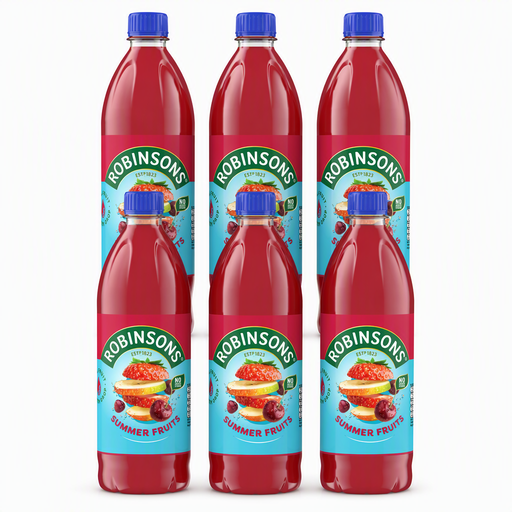
Why This Fits Their Persona: A six-bottle pack is suited to busy families, packed lunches, picnics, shared kitchens and households that use fruit cordial regularly.
The pack quantity is stated clearly, and the product information gives 2 kcal per 100ml diluted, helping regular users estimate consumption.
Apple, strawberry, raspberry and cherry juice blend; natural colours and flavourings listed; six 1L bottles.
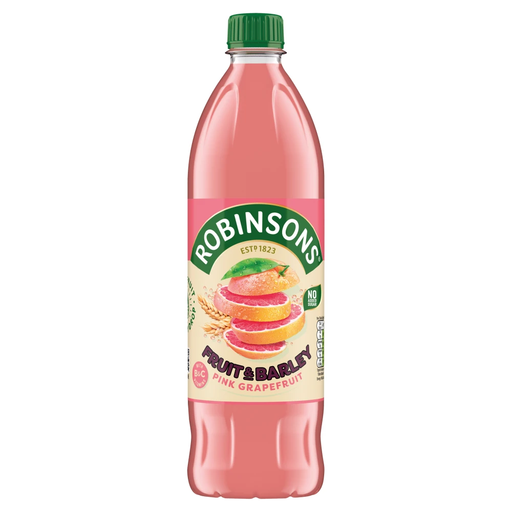
Why This Fits Their Persona: This option is aimed at shoppers who want a sharper grapefruit flavour and a smoother fruit-and-barley texture for meals or chilled drinks.
The ingredient list identifies 1% refined barley flour and the product information highlights barley, sulphur dioxide and sulphites as allergens.
Pink grapefruit juice from concentrate; 2 kcal per 250ml diluted serving; vitamins listed on the product information.
We have compiled a complete, real-time list of products that fully satisfy these strict selection criteria and UK safety regulations.
Some products are not recommended for children under three because they contain sweeteners. Always follow the age guidance on the bottle, dilute as directed and add extra water when serving toddlers. Plain water should remain part of a child’s usual drinks.
Many concentrated squash bottles should be refrigerated after opening and consumed within around three to four weeks, but the exact period varies. Cartons and ready-to-drink bottles can have shorter recommended periods, sometimes only a few days. Check the label rather than relying on the bottle size or product type.
A multipack can reduce the per-bottle price when a household already knows it enjoys the flavour and has enough storage space. Compare the total price with the number of 1L bottles, expected servings and delivery cost. For occasional use, one bottle may create less waste and provide better practical value.