If reducing free sugars is the priority, start with no-added-sugar squash and compare the sugar figures for the drink as diluted. No added sugar does not necessarily mean sugar-free: fruit-based versions can contain naturally occurring sugars, while regular squash may contain added sugar. Check the ingredients and follow the dilution instructions on the bottle, particularly when serving toddlers.
Who is choosing?
The useful starting point for a weekly shop is how the household will prepare and serve the squash, not just the claim on the front of the bottle.
Households cutting back on sugary drinks
If squash is a regular drink at meals or in refillable bottles, compare no-added-sugar options with regular squash using the nutrition figures for a prepared serving. The NHS advises cutting down on drinks containing free sugars.
Shoppers looking for fruit flavour
A high-juice squash may appeal when fruit content matters, but a no-added-sugar claim can coexist with naturally occurring sugars. Check both the ingredients and the diluted-drink sugar figure before choosing between varieties.
Families serving squash to young children
Read the age and dilution directions on the particular bottle. Sainsbury’s Ribena Blackcurrant No Added Sugar listing and Waitrose’s Essential No Added Sugar Orange instructions both say to add extra water for toddlers.
What matters on the label?
Decide whether reducing added sugar, choosing fruit content or planning enough prepared servings matters most. Then compare bottles on the same prepared-drink basis.
| Priority |
What to check |
Your needs |
| Added sugar |
Check whether the squash says no added sugar or lists added sugar in its ingredients. Compare sugars per prepared serving at the stated serving size, rather than comparing concentrate with diluted drink. |
I want to reduce free sugars in the drinks we serve regularly. NHS guidance advises cutting down on drinks containing free sugars; a no-added-sugar claim is a starting point, not a substitute for reading the nutrition panel. |
| Fruit and sweeteners |
Read the fruit-juice content, sweetener declaration and diluted-drink sugars together. Sainsbury’s lists 1.9g sugars per prepared 250ml serving for its High Juice Blackcurrant No Added Sugar squash; Waitrose lists less than 0.5g per prepared 250ml serving for Essential No Added Sugar Orange. |
Fruit content matters to me, but I do not want to assume that two no-added-sugar squashes have the same sugar figure. I would also check the ingredients if particular sweeteners matter to the household. |
| Dilution and servings |
Check the bottle’s ratio and stated serving count before comparing concentrate sizes. Waitrose suggests one part Essential No Added Sugar Orange to nine parts water; Sainsbury’s Ribena Blackcurrant No Added Sugar instructions specify one part squash to at least four parts water. |
For a weekly shop, I need to know how much prepared drink a bottle will make at its own recommended dilution, rather than judging it by bottle size alone. |
| Child use and ingredients |
Follow the exact bottle’s age and preparation instructions. Check its physical label for current ingredients and allergens, as Tesco notes that food-product recipes and labelling can change. |
If I am serving squash to a toddler, I will check the bottle’s directions for extra water. Ingredient and allergen details also matter when someone in the household needs to avoid a particular ingredient. |
Mistakes to avoid
-
Reading “no added sugar” as “zero sugar”
Fruit-based no-added-sugar squash can still contain naturally occurring sugars. For example, Sainsbury’s lists 1.9g sugars per prepared 250ml serving for its High Juice Blackcurrant No Added Sugar squash.
Compare the sugars line for the diluted drink and read the ingredients, rather than relying on the front-of-pack wording.
-
Comparing concentrate by bottle size alone
Products can call for different amounts of water, so the same volume of concentrate need not make the same number of prepared servings.
Use each bottle’s dilution ratio and stated serving count when planning how much squash to buy for the week.
-
Using one standard dilution for toddlers
The Sainsbury’s Ribena Blackcurrant No Added Sugar and Waitrose Essential No Added Sugar Orange instructions both call for extra water when serving toddlers.
Follow the directions and age guidance on the exact bottle you are using.
-
Relying on an older ingredient listing
Ingredients, nutrition information and allergen declarations can change when a food product is reformulated, as Tesco cautions in its product information.
Read the physical bottle at purchase if allergens or particular sweeteners affect your choice.
Brand and own-label examples
These examples show why the exact variety matters: a brand name or no-added-sugar claim does not give every bottle the same ingredients, sugar figure or dilution instructions.
Robinsons
Tesco lists a Robinsons Double Strength Orange No Added Sugar squash, while Waitrose lists a Summer Fruits No Added Sugar variety.
- The double-strength orange format gives shoppers a concentrate option to assess by its stated servings and dilution directions.
- Check the exact variety’s prepared-drink nutrition and ingredients; a no-added-sugar claim alone does not state its sugar content.
Ribena
Sainsbury’s lists a Ribena Blackcurrant No Added Sugar concentrate for shoppers who want blackcurrant flavour.
- Its listed preparation is one part squash to at least four parts water for a 250ml serving.
- Those preparation instructions apply to the listed variety; check the bottle for its current nutrition and child-use directions.
Sainsbury's
Sainsbury’s High Juice Blackcurrant No Added Sugar squash is an own-label example for shoppers comparing fruit content with sugars in a prepared drink.
- The product listing states 1.9g sugars per prepared 250ml serving and identifies fruit juice in the concentrate.
- No added sugar should not be read as no sugar; use the diluted-serving figure when comparing it with another variety.
Waitrose
Waitrose lists both Essential No Added Sugar Orange and a regular Summer Fruits High Juice squash, illustrating two different recipes.
- Waitrose lists less than 0.5g sugars and 4 kcal per prepared 250ml serving for the Essential orange product.
- Its regular Summer Fruits High Juice product lists added sugar and 11.8g sugars per prepared 250ml serving. These figures describe the named products, not every Waitrose squash.
No-added-sugar options on Joybuy
These squash options cover no-added-sugar fruit flavours and bottle formats for a weekly shop. Compare each bottle’s prepared-drink nutrition, ingredients and dilution instructions before choosing; this list is not a comparison with regular squash products.
 No image available
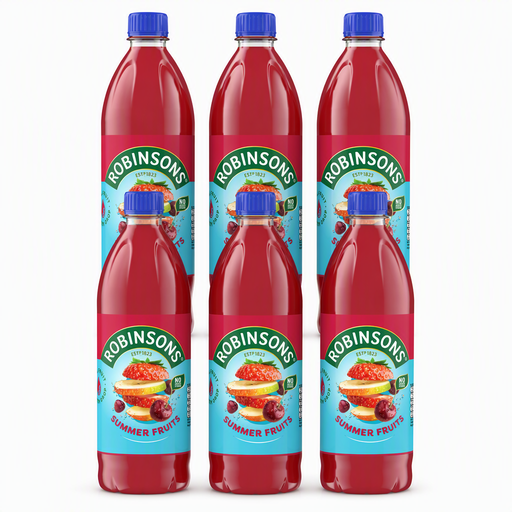
Robinsons No Added Sugar Summer Fruits Squash 6x1L
The six-bottle format is one to consider when planning a regular household supply. Check the bottle’s dilution directions and prepared-serving sugar figure, and review the ingredients and allergens for household needs.
View on Joybuy
 No image available
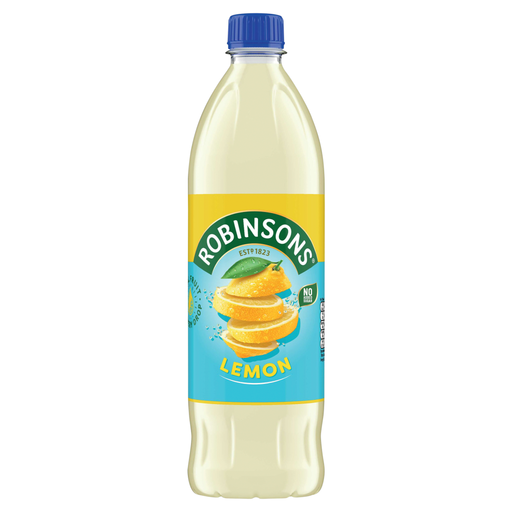
Robinsons No Added Sugar Real Fruit Lemon Juice Squash 1L
A lemon no-added-sugar option in a 1L bottle. If the amount of sugar in a prepared glass or a particular sweetener affects your choice, check the current bottle label alongside its dilution directions.
View on Joybuy
 No image available
Robinsons No Added Sugar Orange Squash 1L
An orange no-added-sugar option in a 1L bottle. Compare its diluted-drink nutrition with other orange varieties, and follow the bottle’s age and dilution guidance when serving children.
View on Joybuy
 No image available
Ribena Blackcurrant No Added Sugar Concentrate 1.5L
A blackcurrant no-added-sugar concentrate in a 1.5L bottle. Use its own dilution instructions when planning servings, and confirm that any sugar figure you compare applies to the prepared drink. Check the bottle’s age and ingredient guidance too.
View on Joybuy
 No image available
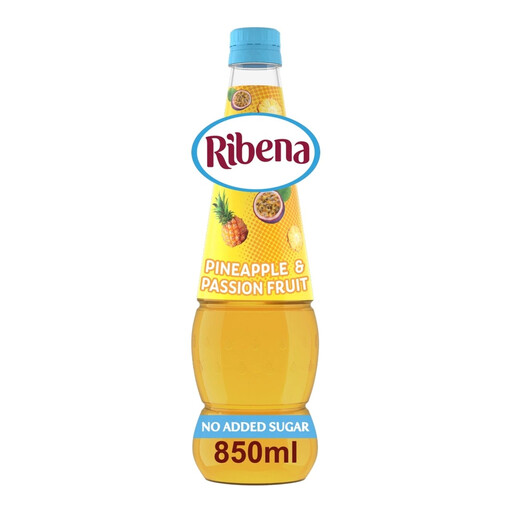
Ribena Pineapple and Passion Fruit No Added Sugar Squash 850ml
A pineapple and passion fruit no-added-sugar option in an 850ml bottle. Check its dilution directions and the nutrition basis before comparing sugar figures with prepared servings of other squashes; read the current ingredients and allergen information as well.
View on Joybuy
Common questions
Does no added sugar mean squash contains no sugar?
No. Fruit-based squash can contain naturally occurring sugars without added sugar. For the named products, Sainsbury’s lists 1.9g sugars per prepared 250ml serving of High Juice Blackcurrant No Added Sugar squash, while Waitrose lists less than 0.5g for Essential No Added Sugar Orange. Check the diluted-drink nutrition on the bottle you choose.
Should I compare concentrate or the drink after dilution?
Compare the prepared drink at the stated serving size and follow each product’s dilution directions. Ratios differ: Waitrose suggests one part Essential No Added Sugar Orange to nine parts water, while its regular Summer Fruits High Juice suggests one part squash to four parts water.
Can I make squash for toddlers at the usual dilution?
Follow the particular bottle’s age and preparation instructions instead of assuming one ratio suits everyone. The Sainsbury’s Ribena Blackcurrant No Added Sugar and Waitrose Essential No Added Sugar Orange instructions both say to add extra water for toddlers.


