Gym-goers with refillable bottles
If you want to flavour water at the gym, concentrate is useful only when you also have water to dilute it. The NHS says water is the preferred way to replace fluid lost through physical activity.


For a gym bag, a pocket-sized no-added-sugar squash concentrate makes sense if you carry a refillable bottle and can get drinking water where you exercise. Larger bottles are more practical for preparing a drink before you leave; whichever format you choose, follow its dilution directions and check the current ingredients and nutrition label, because ‘no added sugar’ does not mean sugar-free or sweetener-free.
If you want to flavour water at the gym, concentrate is useful only when you also have water to dilute it. The NHS says water is the preferred way to replace fluid lost through physical activity.
A small concentrate takes a different place in a bag from a household bottle. Waitrose describes Robinsons Mini as a pocket-sized option for commuting, travel and the gym, with up to 20 drinks per bottle.
If particular sweeteners or sulphites matter to you, read the ingredient and allergen information on the bottle. No-added-sugar squash can still contain sweeteners and naturally occurring sugars.
Start with where you will dilute the squash: at the gym, or at home before leaving. Then compare the serving directions and labels for the formats that fit that routine.
| Priority | What to check | Your needs |
|---|---|---|
| Water access | Check that drinking water is available and follow the concentrate’s dilution directions. The NHS identifies water as the preferred way to replace fluid lost through physical activity. | I want to flavour the water in my refillable bottle, not carry concentrate as a drink on its own. |
| Bag space | Compare the bottle size with what you intend to carry. Waitrose describes Robinsons Mini as pocket-sized; its larger Robinsons Double Strength Orange bottle is labelled for 70 servings. | For a light gym bag, I would rather carry a small concentrate. If I prepare my drink at home, a larger bottle can stay there. |
| Dilution | Read each product’s directions rather than using one measure for every squash. Waitrose lists 1 part Robinsons Double Strength Orange to 9 parts water; Tesco lists 1 part Quadruple Strength Blackcurrant to 19 parts water. | I need a measure I can follow when filling my bottle, especially if I change between strengths. |
| Sugars and ingredients | Compare energy and ‘of which sugars’ on the same diluted basis. Check the current ingredient and allergen label for sweeteners and sulphites; the Advertising Standards Authority explains that a no-added-sugars claim does not rule out naturally occurring sugars. | I want to know what is in the drink I make, rather than treating the front-of-pack claim as a complete nutrition or ingredient description. |
The Advertising Standards Authority distinguishes the no-added-sugars claim from the amount of naturally occurring sugar in a product. Tesco’s Quadruple Strength Blackcurrant and Robinsons Double Strength Orange also list sweeteners in their ingredients.
Read the diluted nutrition values and current ingredient label, particularly if you avoid a specific sweetener or sulphite.
A large bottle occupies more bag space than a pocket-sized concentrate and still needs water for dilution. The bottle’s stated serving count does not tell you whether it is convenient to carry.
If you usually make your drink before leaving, keep the larger bottle at home. If you need to mix it later, check whether a compact format suits your routine.
Squashes have different dilution instructions, so a figure for concentrate cannot be compared directly with one for a prepared drink.
Check whether each energy and sugars figure is per 100ml, per serving or for the diluted drink, and compare equivalent prepared amounts.
The ingredients that matter to you need checking on the product you will actually use, especially when choosing between flavours or buying again later.
Read the physical bottle’s ingredients, allergen information and preparation directions before use.
These examples show how format and labelling differ; a brand name alone does not establish the ingredients or dilution directions of every variant.
Robinsons says it has removed added sugars from its core squash range. The range includes a Mini format as well as larger bottles.
Tesco Quadruple Strength Blackcurrant No Added Sugar is a larger-bottle option for making drinks from concentrate.
Essential No Added Sugar Orange Squash is a double-strength-style option for preparing a drink in a separate bottle.
Vimto No Added Sugar Squash is another flavour option to compare by its diluted serving information.
These are larger no-added-sugar squash bottles to consider when making a drink before a gym visit or filling a separate bottle. They are not substitutes for a pocket-sized concentrate if carrying the original bottle is your main concern.
 No image available
A 1L orange concentrate to consider for preparing flavoured water before leaving. Dilute it as directed and check the current bottle for ingredients and nutrition values for the prepared drink.
 No image available
A 1L summer-fruits option for diluting into a refillable bottle. Check the pack’s mixing directions and diluted sugars value before comparing it with another flavour.
 No image available
This 1.5L bottle suits preparing a separate drink more readily than carrying the original bottle in a light gym bag. Follow the pack’s dilution directions and compare nutrition values for the prepared drink.
 No image available
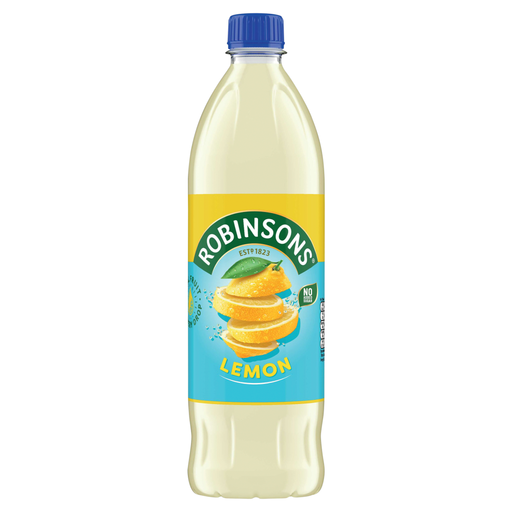
A 1L lemon squash for making a drink in another bottle. If you are comparing energy or sugars with another option, use the current pack’s values for the diluted drink.
 No image available
An 850ml pineapple and passion-fruit option for diluting into water. Check the bottle’s preparation directions and use diluted-drink values when comparing its nutrition with other squashes.
No. The Advertising Standards Authority explains that the no-added-sugars claim concerns sugars and foods added for sweetening; it does not rule out naturally occurring sugars. Check ‘of which sugars’ on the nutrition label, including whether the figure applies to the diluted drink.
Squash flavours water when diluted as directed, but the NHS identifies water as the preferred way to replace fluid lost through physical activity. Bring enough water for your visit, whether you drink it plain or use some to make squash.
A pocket-sized concentrate is the clearer fit when bag space matters and drinking water is available. Waitrose describes Robinsons Mini No Added Sugar Orange as pocket-sized and says it makes up to 20 drinks; its directions say not to drink it undiluted.
Compare the labelled serving count and dilution directions, not bottle volume alone. Waitrose lists 70 servings and a 1:9 dilution for Robinsons Double Strength Orange, while Tesco lists 100 servings and a 1:19 dilution for its Quadruple Strength Blackcurrant; follow the directions for the bottle you choose.