For a Halloween party, compare no-added-sugar squash by the sugars and ingredients listed for the prepared drink, then use the dilution instructions and stated servings to plan quantities. A double-strength bottle may be convenient for a larger group, but flavour and guest-specific ingredient needs still matter. No added sugar does not mean sugar-free or sweetener-free.
Who is this choice for?
Hosts comparing sugar labels
You want a flavoured party drink without assuming that a no-added-sugar claim means no sugars or sweeteners. The NHS includes sugars naturally present in fruit juice among free sugars, so the prepared-drink nutrition panel matters.
Hosts serving a larger group
You need to estimate how many glasses each bottle will make. Stated servings and dilution instructions are more useful for that calculation than concentrate volume alone.
Hosts accommodating ingredient-sensitive guests
You need guests to be able to check the current bottle for sweeteners, allergens and warnings, including sulphites or a phenylalanine warning where listed.
What should you check before buying?
Start with what guests will drink after dilution, then work out the quantity needed and check whether the ingredients suit the people attending.
| Priority | What to check | Your needs |
|---|
| Sugars in the drink |
Compare sugars per 100ml or per serving on the same prepared-drink basis. Follow each product’s dilution directions when interpreting its nutrition values. |
I want a flavoured option without relying on the words ‘no added sugar’ as a substitute for reading the nutrition panel. |
| Prepared servings |
Check the stated serving size, number of servings and dilution ratio. Waitrose & Partners lists 60 servings for Essential Apple & Blackcurrant and 40 for Robinsons Double Strength Summer Fruits; its Robinsons Orange listing states 20. |
For a larger party, I need to plan glasses of prepared squash, not just count bottles of concentrate. |
| Guest-specific ingredients |
Read the current ingredient and allergen information, including sweeteners, sulphites and any phenylalanine warning. Keep the bottle available when serving. |
Guests may need to inspect the label for themselves, so I want a drink choice and an alternative they can identify clearly. |
| Flavour and fruit content |
Choose a flavour guests are likely to want, then compare its own fruit-content statement and prepared-drink nutrition. Do not treat a higher juice percentage as a lower-sugar measurement. |
I may prefer a more fruit-forward flavour, but I still want to know what is in the glass after dilution. |
Common mistakes to avoid
-
Treating ‘no added sugar’ as ‘no sugar’
Fruit sugars and sweeteners may still appear in a no-added-sugar squash.
Compare the prepared-drink sugars value and read the ingredient list if a guest has a particular preference or requirement.
-
Planning by bottle size alone
Concentrates have different dilution instructions, so bottles of similar size can state different numbers of prepared servings.
Calculate quantities from the label’s serving size and count. Allow for uncertainty in guest numbers or glass sizes rather than assuming every pour matches the label.
If the stated yield falls short of the drinks you plan to serve, you will need another bottle or a different drink option.
-
Putting bottles away before guests can check them
Ingredient details can affect an individual guest’s choice: the examined products include examples listing sulphites or barley, and an aspartame-containing product with a phenylalanine warning.
Ask about relevant needs where practical, retain the packaging during the party and provide plain water as another option.
-
Assuming reduced-sugar squash suits very young children
The NHS does not recommend diet or reduced-sugar drinks for babies and toddlers.
Offer water for babies and toddlers, keeping it clearly separate from the party squash.
Brand and product-line references
These examples show how flavours, stated yields and ingredient lists differ between products; a brand name alone does not establish which bottle suits your guests.
Robinsons
The Orange and Double Strength Summer Fruits no-added-sugar squashes offer different stated yields.
- Waitrose & Partners lists 20 servings for Orange at one part concentrate to four parts water, and 40 for Double Strength Summer Fruits at one part to nine parts water.
- Check the current bottle for sweeteners, sulphites and preparation directions before serving.
Waitrose Essential
Its No Added Sugar Apple & Blackcurrant Squash is an own-label option with a stated yield suited to quantity planning.
- Waitrose & Partners lists 60 servings and suggests one part squash to nine parts water.
- Its ingredient information lists sweeteners and sodium metabisulphite; check the bottle for guests with relevant ingredient needs.
M&S
The examined Orange Squash and Apple & Elderflower High Juice offer different fruit-content statements.
- Marks & Spencer describes its Orange Squash as double strength with 20% fruit, and its Apple & Elderflower High Juice as containing 50% fruit juice; both are described as no added sugar.
- Compare nutrition only on a matching prepared-drink basis, and check each product’s own ingredients.
Vimto
The examined No Added Sugar Squash provides a mixed-fruit flavour in a 2-litre bottle.
- Tesco Groceries lists 5kcal and 0.8g sugars per prepared 250ml serving for this product.
- Its ingredient information includes barley and sweeteners; check the current label before offering it to ingredient-sensitive guests.
Ribena
The examined Blackcurrant No Added Sugar Squash is a blackcurrant-flavoured option.
- Waitrose & Partners states 17 servings when the product is diluted one part squash with at least four parts water.
- The examined product lists aspartame and carries a phenylalanine warning; check its current label for guest-specific needs.
Joybuy squash options
These no-added-sugar squash options cover orange, summer fruits, blackcurrant, pineapple and passion fruit, and lemon flavours for party drinks. Use each pack’s directions and current label to compare prepared servings and ingredients.
 No image available
Robinsons No Added Sugar Orange Squash 1L
An orange option when you want one bottle rather than a multipack. Check the bottle’s dilution instructions and stated servings before planning party quantities, and review its sweetener and sulphite information for guests who need it.
 No image available
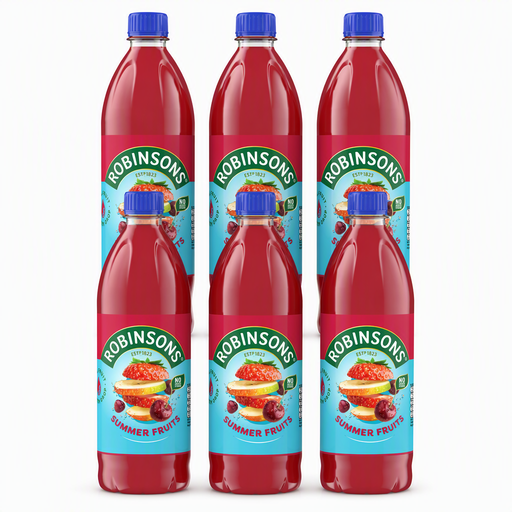
Robinsons No Added Sugar Summer Fruits Squash 6 x 1L
The six-bottle pack is an option when planning drinks for more guests. Follow the pack’s dilution directions when calculating servings, and use the current bottle label to compare prepared-drink sugars and check sweeteners and sulphites.
 No image available
Ribena No Added Sugar Blackcurrant Squash 1.5L
A blackcurrant option in a 1.5L bottle. Check the current dilution and serving information for quantity planning, and inspect the ingredient list and warnings if a guest needs to avoid particular sweeteners or other ingredients.
 No image available
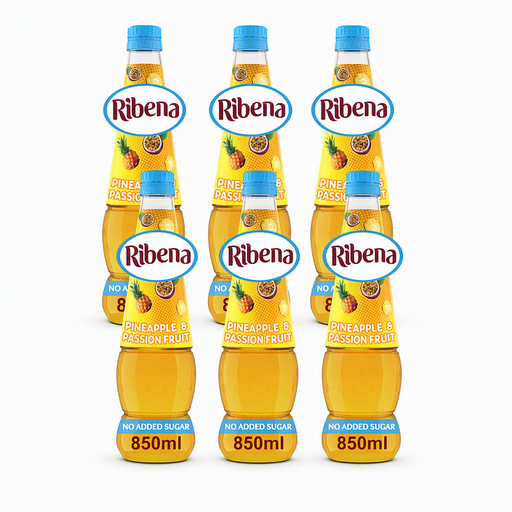
Ribena No Added Sugar Pineapple and Passion Fruit Squash 6 x 850ml
This six-bottle pack offers a pineapple and passion fruit flavour. Check the package for dilution and prepared-serving information before counting it towards party drinks, and read its sweetener and sulphite declarations.
 No image available
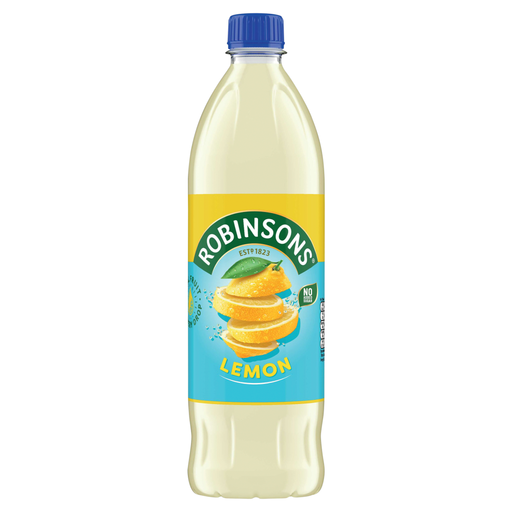
Robinsons No Added Sugar Real Fruit Lemon Squash 1L
A lemon option for guests who prefer citrus flavours. Use the current bottle for prepared-drink nutrition, dilution and serving information; check its complete ingredient and allergen statement before offering it to guests with specific needs.
Questions about party squash
Does ‘no added sugar’ mean squash contains no sugar?
No. A no-added-sugar squash can still contain sugars from fruit ingredients. The NHS distinguishes added sugars from sugars naturally present in fruit juice; compare the nutrition values for the drink as prepared rather than treating ‘no added sugar’ as ‘sugar-free’.
How many bottles should I get for a Halloween party?
Start with the stated number and size of prepared servings, then compare that with the drinks you expect to pour. Waitrose & Partners lists 60 servings for Essential Apple & Blackcurrant, 40 for Robinsons Double Strength Summer Fruits, 20 for Robinsons Orange and 17 for Ribena Blackcurrant. Those counts depend on each product’s own dilution directions.
Is diet or reduced-sugar squash a drink for babies and toddlers?
The NHS does not recommend diet or reduced-sugar drinks for babies and toddlers. Offer water for this age group rather than assuming a no-added-sugar claim makes party squash suitable.
What if a guest needs to check ingredients?
Keep the current bottle available so the guest can read its ingredients, allergens and warnings before choosing a drink. The examined squashes include products listing sulphites or barley and an aspartame-containing product with a phenylalanine warning; do not assume those details apply to every flavour or bottle.


