Desk workers changing their lunch drink
If you usually choose sugary squash, the NHS lists no-added-sugar drinks among the alternatives. Check the prepared drink’s sugars value rather than assuming the front-of-pack claim means sugar-free.


No-added-sugar squash is an option if you want a fruit-flavoured alternative to sugary squash at lunch, but the claim does not mean the prepared drink contains no sugars or sweeteners. Choose a bottle you can store and dilute at work, or a portable concentrate when carrying a larger bottle is impractical; in either case, check the prepared-drink nutrition, ingredients and mixing instructions.
If you usually choose sugary squash, the NHS lists no-added-sugar drinks among the alternatives. Check the prepared drink’s sugars value rather than assuming the front-of-pack claim means sugar-free.
A bottle kept at work and a concentrate carried in a bag solve different storage problems. Both need water for mixing; the compact Robinsons Mini must not be drunk undiluted.
If sweeteners, sulphites or a phenylalanine warning affect your choice, read the current pack. The NHS says aspartame is unsuitable for people with phenylketonuria (PKU), and the listed Ribena Blackcurrant product carries a phenylalanine warning.
Start with the drink you will make at your desk: compare its label information, then choose a format you can store and dilute as directed.
| Priority | What to check | Your needs |
|---|---|---|
| Sugars in the drink | Read the sugars value for the prepared drink and its stated serving size. A no-added-sugars claim is distinct from a sugar-free claim, as set out in the nutrition-claim rules published by legislation.gov.uk. | I want to know what is in the glass I will drink, not rely on the wording on the front of the bottle. |
| Ingredients | Check the named sweeteners and any sulphite declaration. For PKU, check for aspartame and a phenylalanine warning; the NHS says aspartame is unsuitable for people with PKU. | A particular ingredient matters to me, so I need to check the current pack before choosing a flavour. |
| Mixing and servings | Follow the product’s dilution directions and compare its stated prepared servings. Tesco Groceries lists Robinsons Orange at 1 part squash to 4 parts water and 20 servings; Waitrose & Partners suggests 1 part squash to 9 parts water and lists 60 servings for Essential Apple & Blackcurrant. | Will I have water and a glass or reusable bottle available when I make lunch? |
| Storage and carrying | Check the pack’s after-opening instructions and whether the container suits your workspace. Waitrose & Partners says Robinsons Mini makes up to 20 drinks but must not be drunk undiluted or refilled. | If I cannot leave a bottle at work, a concentrate I can carry may fit my routine better. |
Fruit-based squash can have sugars in the prepared drink, while a no-added-sugar product can contain sweeteners. Sainsbury’s lists 2.0 g sugars per 250 ml prepared serving for its High Juice Pink Grapefruit squash.
Compare the prepared-drink nutrition and read the ingredients if a particular sweetener affects your choice.
Dilution directions differ by product. A compact concentrate is not a ready-to-drink squash: Waitrose & Partners warns against drinking Robinsons Mini undiluted.
Follow the directions on your bottle and keep water and a suitable drinking container available at work.
The Ribena Blackcurrant No Added Sugar listing at Waitrose & Partners names aspartame and sodium bisulphite and carries a phenylalanine warning. The NHS says aspartame is unsuitable for people with PKU.
Check the physical pack for ingredients and warnings when they affect whether you can use a product.
These examples illustrate label and format differences; a brand name alone does not establish the ingredients or nutrition of every variant.
The Orange squash and Mini Orange concentrate illustrate bottle and portable formats.
Its High Juice Pink Grapefruit No Added Sugar squash is an example for shoppers comparing fruit content with prepared-drink sugars.
The Apple & Blackcurrant squash is a double-strength bottle option for regular mixing at work.
The Blackcurrant No Added Sugar variant is relevant if blackcurrant flavour is your starting point.
Its No Added Sugar Squash is a mixed-fruit flavour option.
These bottle concentrates suit a desk where you can add water to make a drink. Compare their flavours, stated nutrition and ingredient lists; follow each pack’s mixing and storage directions.
 No image available
A bottle to keep at work if you can mix each drink with water. The listed dilution is 1:4, with 20 servings and 3 kcal per 250 ml diluted serving; the product description names sucralose, acesulfame K and sodium metabisulphite and advises refrigeration after opening.
 No image available
A blackcurrant bottle concentrate for mixing with water at work. Its description names aspartame and sodium bisulphite; check the current pack for the prepared-drink nutrition before relying on its calorie wording.
 No image available
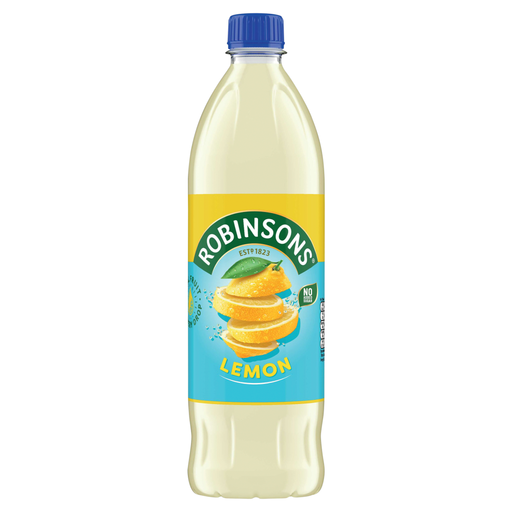
A lemon-flavoured bottle concentrate to dilute for a desk drink. Its description lists 5 kcal per 250 ml diluted serving, aspartame, saccharin and sodium metabisulphite; check the pack’s mixing directions and sugars value when comparing prepared drinks.
 No image available
A summer-fruits bottle concentrate for a desk with access to water. Its description gives 2 kcal per 100 ml diluted and names sucralose, acesulfame K and sodium metabisulphite; use the pack for its mixing, sugars and after-opening instructions.
 No image available
A pineapple-and-passion-fruit concentrate to mix with water for lunch. Its description lists aspartame, acesulfame K and sodium metabisulphite; check the pack’s dilution directions and prepared-drink nutrition when comparing it with other bottles.
No. The no-added-sugars claim described in the nutrition-claim rules published by legislation.gov.uk concerns sugars or other foods added for sweetening; it does not mean a drink has no sugars. Check the nutrition panel for the drink as prepared.
Yes. Check the ingredients of the particular product: the listed Vimto squash, for example, contains sucralose and acesulfame K. The NHS says approved sweeteners are assessed for use within permitted conditions, but a no-added-sugar claim does not tell you which sweeteners a drink contains.
Check the exact pack for aspartame and a phenylalanine warning. The NHS says aspartame is unsuitable for people with phenylketonuria (PKU), and the Ribena Blackcurrant No Added Sugar listing at Waitrose & Partners carries that warning.
A bottle is practical if you can store it and mix drinks at work; a compact concentrate suits days when carrying a larger bottle is impractical. Compare each product’s dilution and stated servings, and note that Waitrose & Partners warns not to drink Robinsons Mini undiluted or refill it.
The current pack is the place to confirm ingredients, warnings, nutrition and mixing instructions for the bottle you will use. This matters especially if a named sweetener, sulphite or phenylalanine warning affects your choice.