Families changing snack-time drinks
No-added-sugar squash offers a flavoured alternative to sugary squash when plain water is not readily accepted. The NHS identifies water and milk as the preferred drinks for children.


For children’s half-term snacks, keep water and milk as the routine drinks, in line with NHS advice; no-added-sugar squash is a flavoured option when you want an alternative to sugary squash. Follow the bottle’s dilution instructions and compare sugars in the prepared drink, because no added sugar does not necessarily mean sugar-free. Check the current ingredients if allergies or sensitivities matter.
No-added-sugar squash offers a flavoured alternative to sugary squash when plain water is not readily accepted. The NHS identifies water and milk as the preferred drinks for children.
A concentrated bottle may suit a household making drinks throughout half term. Check how many servings the stated dilution makes, and measure the concentrate and water accordingly.
If a child has an allergy, intolerance or other ingredient restriction, read the current pack rather than relying on an earlier listing. Some of the squash examples discussed here list sweeteners or sulphites.
Start with the drink you intend to serve, then compare its dilution, prepared-drink nutrition and ingredients—not just the claim on the front of the bottle.
| Priority | What to check | Your needs |
|---|---|---|
| Everyday drinks | Decide when a flavoured drink is wanted. The NHS identifies water and milk as the preferred drinks for children. | Plain drinks work for most snack times, but I would like a flavoured option occasionally. |
| Sugars after dilution | Read sugars per prepared serving and its serving size. No-added-sugar squash can still contain sugars from fruit juice, as Sainsbury’s Apple High Juice listing illustrates. | I want to compare what goes into the glass, rather than assume every no-added-sugar recipe is sugar-free. |
| Dilution | Follow the ratio on the particular pack. Tesco lists one part squash to 19 parts water for its Quadruple Strength Orange; Waitrose lists one part to nine parts water for Robinsons Double Strength Orange. | Several people may make drinks at home, so a measured jug would help us use the same pack instructions each time. |
| Fruit-juice content | Check the listed juice percentage separately from sugars in the prepared drink. Sainsbury’s lists 50% fruit juice for its No Added Sugar Apple High Juice Squash. | I prefer a higher-juice recipe, but still want to know how much sugar is in a diluted serving. |
| Ingredients | Read the current ingredient and allergen information, particularly if sweeteners or sulphites matter to the household. Recipes and labels can change. | Someone in my household has an ingredient restriction, so the exact bottle we buy needs checking before it is served. |
Fruit juice can contribute sugars to a no-added-sugar squash. Sainsbury’s describes its Apple High Juice version as containing fruit juice and sweetener, so the front-of-pack claim does not describe every ingredient or the prepared drink’s sugar content.
Compare sugars for the diluted serving and read the ingredient list if sweeteners matter to you.
Concentrates have different instructions: Tesco lists one part squash to 19 parts water for its Quadruple Strength Orange, while Waitrose lists one part to nine parts water for Robinsons Double Strength Orange. Using a different ratio also changes the drink being compared with the listed prepared serving.
Measure against the current pack instructions, including any additional dilution advice for younger children.
A higher-juice squash can still contain sugars in the prepared drink. NHS advice identifies water and milk as the preferred drinks for children.
Choose a higher-juice recipe for its stated composition or flavour preference, and check its diluted-serving nutrition separately.
An earlier listing may not describe the pack in hand. This matters when a child must avoid a particular ingredient, including sulphites.
Check the current physical label before serving and follow the child’s individual clinical advice where an allergy or intolerance has been diagnosed.
These examples show different recipes and concentration levels; each comparison applies to the named product, not every squash from that brand.
Waitrose lists Robinsons Double Strength Orange No Added Sugar Squash as a concentrate diluted one part to nine parts water.
Tesco Quadruple Strength Orange Squash No Added Sugar is an own-label concentrated option.
Sainsbury’s Apple High Juice Squash, No Added Sugar is an own-label option for shoppers comparing listed fruit-juice content.
M&S describes its Orange Squash as a no-added-sugar own-label product.
Waitrose lists an Essential No Added Sugar Lemon Squash in its own-label range.
These orange, summer-fruit, tropical-fruit and blackcurrant squashes offer flavoured options for half-term snack drinks. Check each bottle’s directions and ingredients before serving it to children.
 No image available
An orange-flavoured option when you want no-added-sugar squash for snack-time drinks. Follow this bottle’s dilution directions and check its ingredients; the listing says it is not suitable for children under 36 months.
 No image available
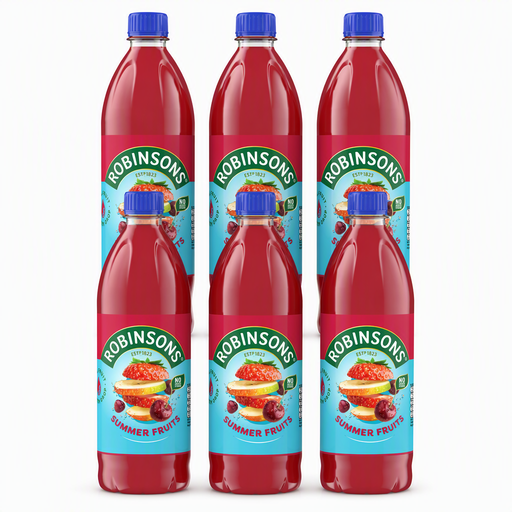
The six-bottle format may suit a household preparing drinks over several days. Use the directions on each bottle, and check the current ingredients if sweeteners or sulphites matter to your household.
 No image available
This single-bottle summer-fruit option may suit households that want a flavoured drink without added sugar. Read its current dilution and ingredient information before serving, particularly where ingredient restrictions apply.
 No image available
A pineapple-and-passion-fruit option for a different squash flavour. When comparing sugars with another product, use the values for a prepared drink rather than treating an undiluted figure as a serving.
 No image available
A concentrated blackcurrant option for households choosing a no-added-sugar flavour. Follow the pack’s preparation advice; the listing says it is not recommended for children under three and advises extra water for toddlers.
No. The NHS identifies water and milk as the preferred drinks for children. Well-diluted sugar-free squash can be a flavoured option; follow the instructions for the particular product.
No. A no-added-sugar squash can still contain sugars from fruit juice. Check sugars in the nutrition information for the prepared drink rather than relying on the front-of-pack wording alone.
Use the ratio on the bottle you are serving. Tesco directs one part squash to 19 parts water for its Quadruple Strength Orange, while Waitrose lists one part to nine parts water for Robinsons Double Strength Orange; those directions are not interchangeable.
Yes, especially if an ingredient restriction matters. Check the current pack’s ingredients, allergen information and dilution directions before serving it, because product details can change.
Do not assume a no-added-sugar squash is suitable. Check the exact current pack for sulphites, including ingredients such as sodium metabisulphite, and follow the child’s individual clinical advice.