Hosts serving mixed groups
Keep plain water available alongside any squash. Guests can then choose whether they want a flavoured drink and check the bottle against their own ingredient needs.


Keep plain water available and offer no-added-sugar squash as an optional flavoured drink, rather than assuming one bottle will suit every holiday-cottage guest. Compare nutrition for the drink as prepared, then check the current ingredients for sweeteners and allergens: “no added sugar” does not necessarily mean sugar-free or sweetener-free.
Keep plain water available alongside any squash. Guests can then choose whether they want a flavoured drink and check the bottle against their own ingredient needs.
The NHS suggests water or sugar-free, diet or no-added-sugar drinks instead of sugary squash. For a flavoured option, read the prepared-drink nutrition panel rather than relying on the front label alone.
Sweeteners and other ingredients differ by bottle. Guests managing an allergy, intolerance or individual dietary plan need access to the current label before choosing a drink.
Decide whether guests need a flavoured option at all, then compare squash as it will actually be diluted and served.
| Priority | What to check | Your needs |
|---|---|---|
| Drink choice | Keep drinking water available. If buying squash, check whether its flavour and ingredients suit the people staying. | I would like a flavoured option, but not everyone in the cottage will want sweeteners or squash. |
| Sugars and sweeteners | Read “of which sugars” for the prepared drink and check the ingredient list for sweeteners. No-added-sugar squash can still contain naturally occurring sugars. | I am replacing sugary squash, or I want to know exactly what a no-added-sugar label means. |
| Guest ingredients | Check the current bottle for ingredients relevant to each guest. Waitrose lists sodium metabisulphite in Robinsons Orange No Added Sugar and barley malt in Vimto No Added Sugar. | Someone staying needs to avoid a particular ingredient, so a general “diet” description is not enough. |
| Dilution and storage | Follow the bottle’s mixing and after-opening instructions. Compare nutrition on the same prepared-drink basis, such as per 100 ml or per glass. | Guests will prepare their own drinks, and an opened bottle may remain in the cottage between stays. |
A no-added-sugar squash may contain naturally occurring fruit sugars and added sweeteners, as the Vimto listing at Waitrose illustrates.
Read both the ingredients and the “of which sugars” figure for the diluted drink. Offer water if a guest does not want the listed ingredients.
Waitrose lists sodium metabisulphite in Robinsons Orange No Added Sugar and barley malt in Vimto No Added Sugar. These details matter when guests have ingredient restrictions.
Keep the current, labelled bottle available so guests can check it; do not leave squash in an unlabelled jug.
Nutrition figures are only comparable when they use the same dilution basis. Waitrose gives Robinsons Orange figures per 250 ml diluted serving and instructs users to mix one part concentrate with four parts water.
Check each bottle’s mixing instructions, then compare figures per 100 ml prepared drink or per prepared glass.
A single flavour or ingredient list will not reflect every guest’s preferences and requirements.
Make plain drinking water available and present clearly labelled squash as an optional extra.
These examples show why the exact bottle matters: flavours, concentration and ingredients can differ even within no-added-sugar ranges.
Waitrose lists Robinsons Orange No Added Sugar as a concentrate mixed one part squash to four parts water.
Tesco lists own-label quadruple-strength no-added-sugar squash in several flavours.
Waitrose lists own-label no-added-sugar squash alongside branded options, including Robinsons.
M&S describes its no-added-sugar Orange Squash as double strength and made with 20% fruit.
Waitrose lists Vimto No Added Sugar as a mixed-fruit squash with 0.8 g sugars per 250 ml diluted serving.
These concentrates are flavoured options for a holiday-cottage cupboard. Keep water available separately, and check each bottle’s current label before serving it to guests with dietary requirements.
 No image available
An orange-flavoured concentrate for guests who want an alternative to plain water. Waitrose lists this Robinsons Orange variety at 3 kcal per 250 ml diluted serving, mixed one part squash to four parts water; check the current bottle for sweeteners and sodium metabisulphite.
 No image available
A summer-fruits option for guests who prefer that flavour. Check the bottle’s dilution and after-opening instructions, and let guests review its sweeteners and sulphites before serving.
 No image available
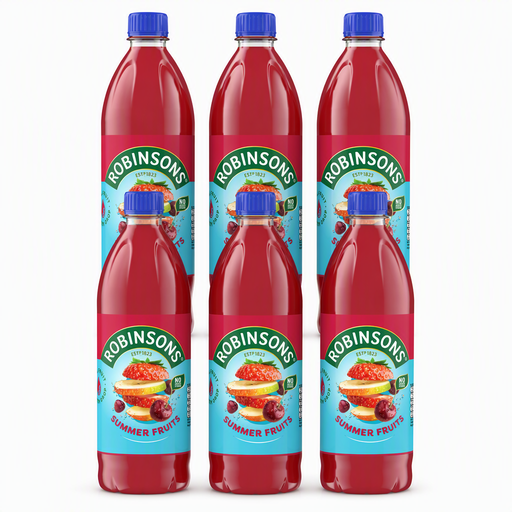
The six-bottle pack offers more squash to stock for a group stay. Check the current label’s prepared-drink sugar figure, dilution and storage instructions before comparing it with other packs or leaving bottles for guests.
 No image available
A blackcurrant option for guests who want that flavour. Follow the bottle’s mixing instructions and check nutrition for the prepared drink, along with the current ingredients for sweeteners and sulphites.
 No image available
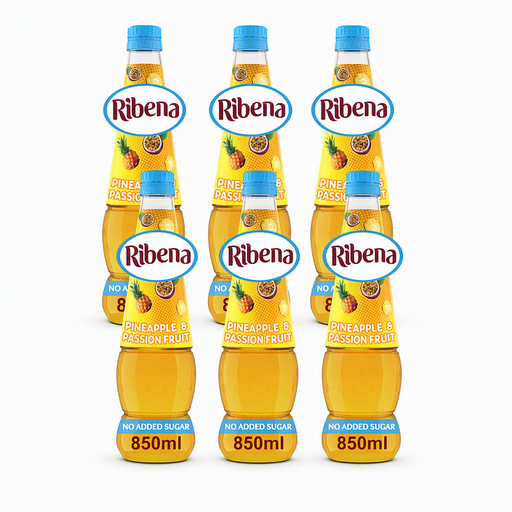
The six-bottle pack provides a pineapple and passion fruit flavour for a group stay. Use the current bottle’s dilution instructions when serving, and check prepared-drink nutrition and ingredients for guests with specific requirements.
No. A no-added-sugar squash can still contain naturally occurring sugars, and its ingredients may include sweeteners. Check “of which sugars” for the diluted drink as well as the ingredient list.
Suitability depends on the individual drink and the guest’s own plan. Diabetes UK advises checking labels and ingredients and asking the person’s diabetes healthcare team when unsure about sweeteners; do not choose on their behalf from the front-of-pack claim alone.
Keep the current labelled bottle available for guests to check. Waitrose lists sodium metabisulphite in Robinsons Orange No Added Sugar and barley malt in Vimto No Added Sugar, showing why the exact product matters.
Follow the instructions for the particular bottle rather than assuming all products have the same age guidance. M&S says its Orange Squash is not suitable for babies and advises adding extra water for older children; keep plain water available too.
Follow that bottle’s storage and after-opening instructions. The Robinsons Orange listing at Waitrose says to consume it within four weeks of opening; note when a shared bottle was opened rather than applying that period to every squash.