What matters when choosing?
Choose how drinks will be served first, then compare squash labels on the basis of the prepared drink—not the concentrate alone.
| Priority | What to check | Your needs |
|---|
| Choice of drink |
If serving squash, distinguish no-added-sugar from sugar-sweetened varieties. Keep water available between meals; Scottish Dental Clinical Effectiveness Programme guidance recommends water or milk at those times. |
I'd like a flavoured option, but I also need an easy drink for children to return to throughout a longer party. |
| Sugars in the glass |
Read sugars per prepared serving and the stated serving size. No added sugar does not mean zero sugar: Sainsbury's lists 2.4 g sugars per prepared 250 ml serving of its No Added Sugar High Juice Orange squash. |
A fruit-forward flavour may matter to me, but I want to compare what is in the diluted glass before choosing it over another no-added-sugar squash. |
| Ingredients |
Check the current ingredients and allergen declaration for each flavour. The reviewed Robinsons Summer Fruits and Ribena Blackcurrant products list sweeteners and sulphite-containing ingredients; the Ribena label also states that it contains a source of phenylalanine. |
If a child has a relevant dietary requirement, I need to know which exact drink will be served, not just that its front label says no added sugar. |
| Dilution |
Use the ratio on the bottle and check whether its nutrition figures refer to concentrate or prepared squash. The reviewed Robinsons Summer Fruits product specifies one part concentrate to four parts water; other strengths need their own instructions. |
I'm preparing a jug for several guests and want each serving made to the intended strength. |
| Servings |
Compare labelled prepared servings and dilution ratios, not bottle size alone. Waitrose & Partners lists 40 servings for the reviewed 2 litre Vimto No Added Sugar squash. |
For a group, I want to plan how much prepared drink to make without assuming that every concentrate yields the same number of glasses. |
Brand and retailer references
These examples show why the flavour name and no-added-sugar claim are only starting points; compare the particular bottle you plan to serve.
Robinsons
The reviewed Summer Fruits no-added-sugar squash is a standard-strength example with a stated one-part-concentrate-to-four-parts-water ratio.
- Waitrose & Partners lists naturally occurring sugars and the preparation ratio for this product.
- Its ingredients include sucralose, acesulfame K and sodium metabisulphite; check the bottle for individual suitability.
Ribena
The reviewed no-added-sugar Blackcurrant squash offers a blackcurrant flavour with an instruction to use at least four parts water to one part concentrate.
- Its stated ratio gives hosts a preparation instruction for a batch.
- The reviewed label lists aspartame, acesulfame K and sodium bisulphite, and states that it contains a source of phenylalanine.
Vimto
The reviewed no-added-sugar mixed-fruit squash comes in a 2 litre format that Waitrose & Partners lists as 40 servings.
- Tesco Groceries lists 0.8 g sugars per prepared 250 ml serving and a one-to-four dilution ratio for the reviewed product.
- It contains naturally occurring fruit sugars; check the current ingredients against guests' dietary requirements.
Sainsbury's
Its reviewed No Added Sugar High Juice Orange squash is an own-label option for hosts comparing juice content alongside prepared-drink nutrition.
- Sainsbury's states 50% fruit juice for this product.
- It also lists 2.4 g sugars per prepared 250 ml serving, sweeteners and sulphites; no added sugar does not mean sugar-free.
Waitrose
Its no-added-sugar squash category provides examples of branded choices and a Waitrose High Juice option.
- The category lists Robinsons and Ribena varieties as well as a Waitrose no-added-sugar Blackcurrant High Juice squash.
- A category listing cannot stand in for the ingredients, nutrition and dilution instructions on the particular pack purchased.
No-added-sugar squash options on Joybuy
These concentrates offer orange, blackcurrant, summer-fruit and pineapple-and-passion-fruit flavours for a party serving squash. Check each bottle's preparation and ingredient information before making drinks for children.
 No image available
Robinsons No Added Sugar Orange Squash 1L
An orange concentrate for preparing party portions. The product information states 10% orange fruit from concentrate and gives nutrition for a diluted 250 ml glass. It lists sweeteners and sulphites, says it is not suitable for children under 36 months, and advises extra water for toddlers. Follow the ratio on the bottle when mixing a batch.
View on Joybuy
 No image available
Ribena No Added Sugar Blackcurrant Concentrate 1.5L
A 1.5L blackcurrant concentrate for mixing a group batch. Its product information specifies 18% blackcurrant juice from concentrate and at least four parts water to one part squash. Check sugars on a prepared-drink basis before comparing it with another flavour. The ingredients include sweeteners and sodium bisulphite; the product is not recommended for children under three and advises extra water for toddlers.
View on Joybuy
 No image available
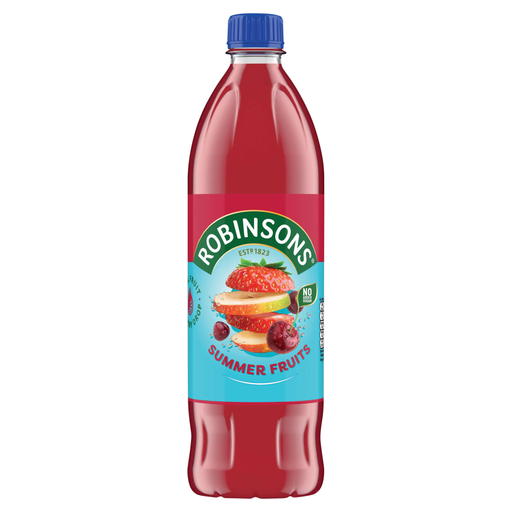
Robinsons No Added Sugar Summer Fruits Squash 1L
A summer-fruit flavour for a prepared party drink. The product information states 10% fruit juices and 2 kcal per 100 ml diluted serving. Check the bottle's dilution instructions before making a jug, and its ingredients if guests need to avoid sweeteners or sulphites; extra water is recommended for toddlers.
View on Joybuy
 No image available
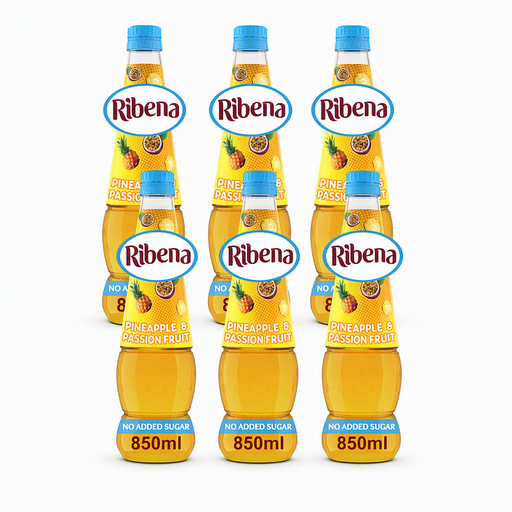
Ribena No Added Sugar Pineapple and Passion Fruit Squash, 6 × 850ml
Six bottles provide a multi-bottle option if you plan to prepare more than one batch or flavour station. The product information states 9% pineapple juice and 1% passion fruit juice, and says to dilute to taste; check the bottle when deciding how much to prepare. It lists sulphites and a source of phenylalanine and gives a refrigerated use period of 21 days after opening.
View on Joybuy
 No image available
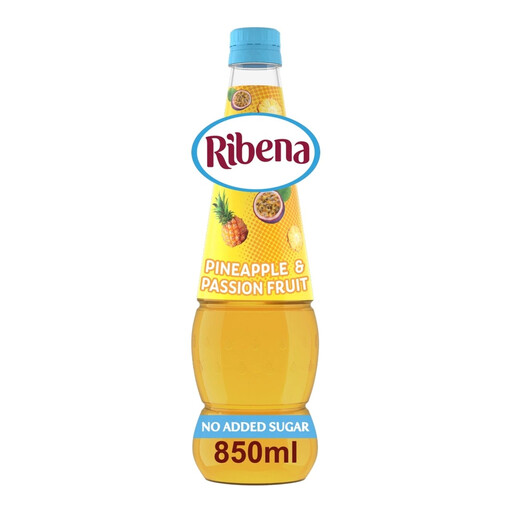
Ribena No Added Sugar Pineapple and Passion Fruit Squash 850ml
A single 850ml bottle if you want to serve this flavour alongside other drinks. The product information states 10% fruit juice and instructs you to dilute it with water. Its nutrition figures refer to undiluted squash, so check the prepared serving before comparing sugars with another bottle. The ingredients include sulphites and a source of phenylalanine; refrigerate after opening and use within the stated 21 days.
View on Joybuy
Frequently asked questions
Does “no added sugar” mean squash is sugar-free?
No. Fruit juice can still contribute naturally occurring sugars. Sainsbury's lists 2.4 g sugars per prepared 250 ml serving of its No Added Sugar High Juice Orange squash, so check the diluted-serving nutrition rather than treating the claim as a sugar figure.
How should I dilute squash for a children's party?
Follow the instructions on the bottle you are serving. The reviewed Robinsons Summer Fruits product specifies one part concentrate to four parts water, while the reviewed Ribena Blackcurrant product calls for at least four parts water; do not assume another strength or flavour uses the same ratio.
Should no-added-sugar squash be the only drink at a long party?
Keep water available as well. Scottish Dental Clinical Effectiveness Programme guidance recommends water or milk between meals; choosing no-added-sugar squash does not remove the need to consider how often children are sipping drinks during the event.
What ingredients should I check before serving squash?
Check the current bottle against any dietary information parents have given you. The reviewed Robinsons, Ribena and Sainsbury's products list sulphite-containing ingredients, and the reviewed Ribena Blackcurrant label states that it contains a source of phenylalanine; sweeteners also vary by product.
Do sweeteners make a no-added-sugar squash a health choice?
A no-added-sugar claim describes the product's formulation, not an overall health benefit. The UK Scientific Advisory Committee on Nutrition says non-sugar sweeteners can maintain a sweet taste while allowing free sugars to be reduced; for a party, still check the exact ingredients and keep water available between meals.


