Organisers serving a larger meeting
A stated mixing ratio and serving count make it easier to plan several jugs. Check the exact bottle rather than estimating the prepared quantity from its size.


For a larger meeting, choose a squash whose label gives a dilution ratio and serving count, then check that you have enough water, jugs and cups to make it up. A 1L bottle may be easier to accommodate for a smaller gathering, but bottle size alone does not tell you how many drinks it makes. Compare sugars on the prepared-drink nutrition panel, check ingredients and allergens on the bottle, and offer water alongside the squash.
A stated mixing ratio and serving count make it easier to plan several jugs. Check the exact bottle rather than estimating the prepared quantity from its size.
Check sugars per prepared serving rather than assuming the label means sugar-free. The NHS advises diluting squash well and offering water as a straightforward drink choice.
Keep the bottle available so attendees can read its current sweetener and allergen information. Tesco Groceries cautions that food ingredients and allergen details can change.
Work out how much prepared drink you need first; then compare labels on the same prepared-drink basis and plan what else will be served.
| Priority | What to check | Your needs |
|---|---|---|
| Prepared quantity | Read the exact bottle’s dilution ratio and stated servings. Waitrose lists 1 part Vimto No Added Sugar Squash to 4 parts water and 40 servings; do not apply that yield to another product. | I need enough made-up drink for everyone, with water, jugs and cups ready for mixing. |
| Sugars in the drink | Compare the sugars figure for the diluted drink at the stated serving size. Sainsbury’s lists 2.5g sugars per 250ml prepared serving of its no-added-sugar Apple High Juice Squash. | If I am describing the meeting option as no added sugar, I do not want colleagues to mistake that for sugar-free. |
| Sweeteners | Read the ingredient list on the bottle being served. Check for aspartame where relevant: the NHS says it is unsuitable for people with phenylketonuria (PKU). | Colleagues who check sweeteners should be able to identify what is in the drink before pouring a glass. |
| Allergens and current label | Check the purchased bottle’s allergen declaration as well as its online listing. The cited Sainsbury’s Apple High Juice and M&S Orange Squash ingredient lists include sulphites. | I want attendees to be able to check the actual product being served, not just a saved product page. |
| Water alongside squash | Set out drinking water separately and follow the squash label’s dilution instructions. The NHS advises diluting squash well. | Some colleagues may prefer an unflavoured drink, regardless of which squash flavour I choose. |
Fruit-based squash can still contain sugars in the prepared drink. Sainsbury’s lists 2.5g sugars per 250ml prepared serving of its no-added-sugar Apple High Juice Squash.
Check the prepared-drink nutrition panel, and use the exact product’s wording on meeting signs rather than calling it sugar-free without support from its label.
Concentrates have product-specific mixing instructions. Waitrose lists a 1:4 dilution and 40 servings for its Vimto No Added Sugar Squash; that serving count does not describe other bottles.
Use the chosen bottle’s instructions to plan the drink quantity, along with the water, jugs and cups needed to make it up.
The cited Sainsbury’s and M&S squashes list sweeteners and sulphites. The NHS says aspartame is unsuitable for people with PKU.
Read the current bottle’s ingredient and allergen information, identify the flavour clearly and leave the bottle available for attendees to check.
Tesco Groceries cautions that ingredients, nutrition and allergen information can change as products are reformulated.
Use listings to narrow down options, then check the label on the bottle purchased before serving it.
Tesco Groceries lists Robinsons no-added-sugar squash, including an orange variety; retailer searches also show other fruit flavours and pack sizes.
Tesco Groceries lists own-label no-added-sugar squash alongside other brands, including Quadruple Strength varieties in 750ml and 1.5L packs.
Sainsbury’s lists a 1L Apple High Juice Squash with no added sugar, 50% fruit juice and 20 stated servings.
M&S lists a 1.5L double-strength Orange Squash described as no added sugar and made with 20% fruit.
Waitrose & Partners lists Essential and high-juice no-added-sugar options alongside other squash brands.
These no-added-sugar concentrates include a multipack, a 1.5L blackcurrant bottle and individual 1L fruit flavours. Choose by the quantity you need to prepare, the flavour you want to offer and the ingredients on the current bottle.
 No image available
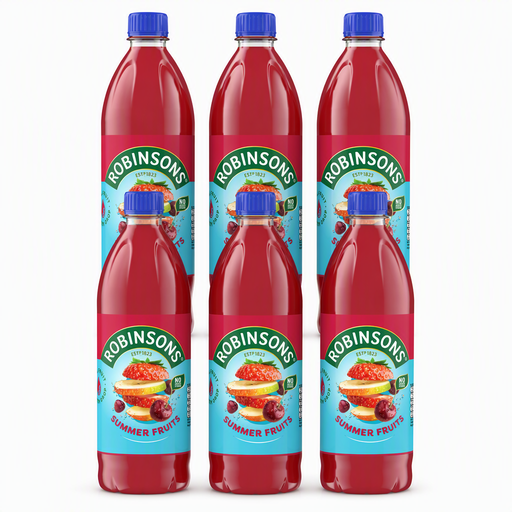
The six-bottle pack may suit a meeting that needs several batches of the same flavour. The product description states up to 25 servings per 1L bottle; use the bottle’s dilution instructions when making it up. Check its prepared-drink nutrition panel and current ingredient list, including the listed aspartame, saccharin and sulphites, before serving.
 No image available
This 1.5L concentrate provides mixing instructions for preparing meeting drinks: the description specifies 50ml squash with at least four parts water. Check the bottle’s stated yield when planning quantities and its current ingredients before serving; the described formulation lists aspartame, acesulfame K, sucralose and sodium bisulphite.
 No image available
A single 1L bottle is an option when an orange flavour is wanted without buying a multipack. Use the current bottle’s dilution and serving guidance to calculate the quantity for your meeting. Check its ingredient and allergen label; the product description lists acesulfame K, sucralose and sulphites.
 No image available
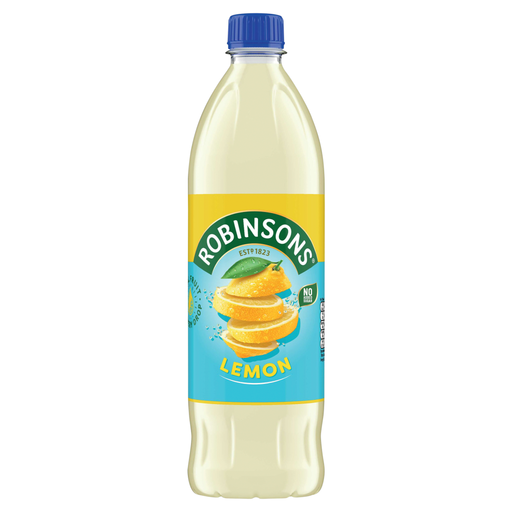
This single 1L lemon-flavour concentrate offers a different flavour for a smaller selection of meeting drinks. Check the bottle’s mixing instructions, servings and prepared-drink sugars when planning. Its described ingredients include aspartame and saccharin, and the description identifies it as a source of phenylalanine.
 No image available
Choose this single 1L summer-fruits bottle if that flavour suits the meeting better than a six-bottle pack. Check its dilution instructions and stated yield before deciding how many bottles to use. The described ingredients include sucralose, acesulfame K and sulphites; read the current label before serving.
No. Sainsbury’s lists 2.5g sugars per 250ml prepared serving of its no-added-sugar Apple High Juice Squash, while Waitrose describes its Vimto No Added Sugar Squash as containing naturally occurring fruit sugars. Check the exact drink’s prepared-serving nutrition panel before describing it to colleagues.
Use the chosen bottle’s dilution instructions and serving count alongside your attendee number. Waitrose lists a 1:4 dilution and 40 servings for Vimto No Added Sugar Squash, but another squash may have a different yield. Allow for the water, jugs and cups needed to serve it.
Show them the ingredient list on the bottle being served. Sweeteners differ between products, and the NHS says aspartame is unsuitable for people with phenylketonuria (PKU). Keep water available as another choice.
Yes—offer drinking water separately so colleagues can choose an unflavoured drink. The NHS also advises diluting squash well, so make up each bottle according to its instructions.
No. Tesco Groceries cautions that ingredients, nutrition and allergen details may change when foods are reformulated. Check the label on the bottle actually purchased, particularly when attendees need to identify sweeteners or allergens such as sulphites.