Runners who want flavour, not fuel
If plain water is unappealing, no-added-sugar squash can provide a flavoured drink while carbohydrate comes from a separate, planned source when the run calls for it.


No-added-sugar squash can flavour water, but do not rely on it as the carbohydrate source for a long marathon-training run. World Athletics advises replacing fluid and carbohydrate during events lasting over an hour; for events of 1–2.5 hours, its guidance gives 30–60 g of carbohydrate per hour. Plan fuel separately and check the squash label for its contribution at the dilution you will drink.
If plain water is unappealing, no-added-sugar squash can provide a flavoured drink while carbohydrate comes from a separate, planned source when the run calls for it.
If your long-run plan depends on what you drink for fuel, check its carbohydrate content. World Athletics advises carbohydrate as well as fluid during prolonged events, while the squash servings listed by Tesco Groceries, Sainsbury’s and Waitrose & Partners provide little carbohydrate by comparison.
Ingredient checks matter if you avoid a listed allergen or have another dietary requirement. Product listings identify sulphites in Robinsons Orange, barley in Vimto No Added Sugar and a phenylalanine warning on Ribena Blackcurrant No Added Sugar; check the current label of the drink you choose.
Choose it for: Flavour when you are not asking the drink to provide your long-run carbohydrate.
Keep in mind: Even higher-fruit no-added-sugar examples listed by Sainsbury’s and Waitrose & Partners provide only 3.6 g and 2.3 g of carbohydrate respectively per 250 ml prepared serving.
Choose it for: Long runs when your drink, gels, chews or food need to contribute carbohydrate.
Keep in mind: The amount and format need planning and practice rather than assuming one drink or sachet covers the whole run.
Decide whether the drink is there for flavour or for carbohydrate, then compare its nutrition at the dilution and serving size you will actually use.
| Priority | What to check | Your needs |
|---|---|---|
| Carbohydrate for long runs | Check carbohydrate per drink, sachet or food portion and how those portions fit your hourly plan. World Athletics gives 30–60 g per hour for endurance events of 1–2.5 hours and up to 90 g per hour for events beyond 2.5 hours; individual plans need practice. | For a long training run, I need to know where my carbohydrate will come from rather than counting on squash for it. |
| Squash for flavour | Compare carbohydrate per prepared serving. Tesco Groceries lists negligible carbohydrate for diluted Robinsons Orange; Sainsbury’s lists 3.6 g per 250 ml of its Pink Grapefruit High Juice, and Waitrose & Partners lists 2.3 g per 250 ml of Tropical High Juice. | I want flavour in my water, with any fuel I need planned separately. A higher-fruit squash still needs its prepared-drink nutrition checked. |
| Dilution and label basis | Follow the bottle’s dilution directions and note whether nutrition is stated for concentrate, per 100 ml of prepared drink or per serving. Concentrate strength alone does not tell you the carbohydrate in the drink you pour. | When comparing bottles, I want the figures to describe the drink I will actually carry and drink. |
| Ingredients and routine | Read the current ingredient and allergen label, including sweeteners and any relevant warnings. Try an unfamiliar drink or fuelling format during training rather than introducing it on race day. | If I avoid a particular ingredient, I need to check this exact product; I also want time to practise my run-day routine. |
A flavoured drink may contribute little carbohydrate. For example, Sainsbury’s lists 3.6 g per 250 ml of Pink Grapefruit High Juice, whereas World Athletics gives 30–60 g per hour for endurance events lasting 1–2.5 hours.
Use the prepared-drink nutrition panel to see what the squash contributes, and plan carbohydrate from a suitable drink, gel, chew or food separately.
Bottles can have different strengths, while nutrition figures may refer to concentrate or to diluted squash. Comparing those figures without the serving basis can misrepresent what you will drink.
Follow each bottle’s dilution directions and compare carbohydrate on a prepared-serving basis.
No-added-sugar is not an allergen or ingredient guarantee. Tesco Groceries lists barley for Vimto No Added Sugar, ASDA Groceries lists sulphites for Robinsons Double Strength Orange, and Waitrose & Partners shows a phenylalanine warning for Ribena Blackcurrant No Added Sugar.
Check the current pack for ingredients and warnings relevant to you, and practise with your chosen drink before race day.
Ingredients, nutrition and preparation directions can change, as ASDA Groceries notes on its product information.
Before using a bottle in your training routine, check its current pack label for the dilution directions and prepared-drink nutrition.
These are product-label examples for comparing squash, not a ranking or a list of products available in the Joybuy selection below.
Orange No Added Sugar is an example to consider when you want squash for flavour rather than carbohydrate fuel.
The Tesco Quadruple Strength Orange No Added Sugar listing offers an own-label concentrated format.
Pink Grapefruit High Juice No Added Sugar is a higher-fruit squash option for those choosing primarily by flavour.
Asda Double Strength Tropical Squash is an own-label format to compare by its current pack information.
M&S lists both Orange Squash and Lemon and Lime High Juice as no-added-sugar options with different fruit contents.
Tropical High Juice No Added Sugar is another higher-fruit-style squash to assess as a flavoured drink.
These Joybuy options include no-added-sugar squash for flavoured drinks and one energy gel for the separate carbohydrate-fuelling part of a long-run plan. A gel is not a squash substitute if you specifically want a flavoured drink.
 No image available
Consider this concentrate for a flavoured drink while planning long-run carbohydrate separately. Check the current pack’s dilution and prepared-drink nutrition before counting it towards any intake plan; check its ingredient warnings if they are relevant to you.
 No image available
This is an orange squash choice for flavour rather than your main long-run fuel. Follow the bottle’s dilution directions and check its current allergen label, particularly if sulphites matter to you.
 No image available
Choose this flavour if you want a no-added-sugar squash as a drink, not as your planned marathon fuel. Check the current pack for dilution, prepared-serving nutrition and any ingredient warnings that affect your choice.
 No image available
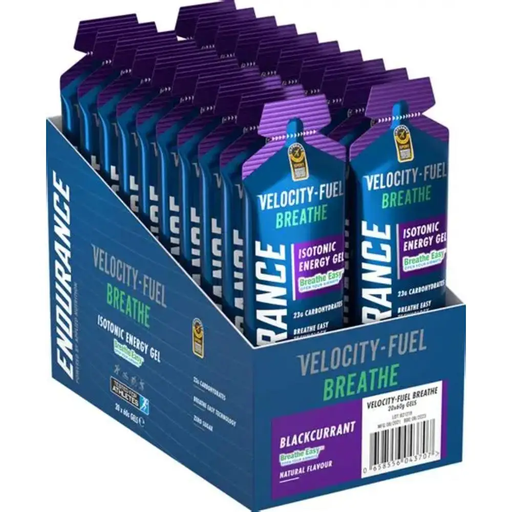
This gel belongs to the separate carbohydrate-fuelling route, not the squash choices. Check carbohydrate per sachet and plan your total intake for the run; practise the format during training and read the current ingredient label.
 No image available
This summer-fruits squash fits a flavoured-drink plan rather than replacing planned long-run carbohydrate. Read the current label for dilution, carbohydrate per prepared serving and ingredient warnings before using it in training.
Do not rely on it as your main carbohydrate source. World Athletics advises fluid and carbohydrate during events lasting over an hour and gives 30–60 g of carbohydrate per hour for events of 1–2.5 hours; the prepared squash examples listed by Tesco Groceries, Sainsbury’s and Waitrose & Partners contribute much smaller amounts per serving. Plan and practise a separate carbohydrate source for runs that require one.
No. A squash can contain naturally occurring sugars and carbohydrate without added sugar. For example, Sainsbury’s lists 3.6 g carbohydrate per 250 ml serving of its Pink Grapefruit High Juice No Added Sugar; check the nutrition panel for the prepared serving you will drink.
Do not use a stronger mix as a substitute for a carbohydrate plan. Follow the pack’s dilution directions, check the resulting drink’s carbohydrate content, and choose and practise a separate carbohydrate-containing drink or food if your run calls for fuel.
Check dilution directions, nutrition for the drink as prepared, ingredients and any allergen or other warnings on the current bottle. The product examples include barley in Vimto No Added Sugar, sulphites in a Robinsons Orange variety and a phenylalanine warning on Ribena Blackcurrant No Added Sugar; the warning relevant to you depends on the exact product you choose.