For a flavoured drink with a university lecture lunch, no-added-sugar squash is a starting point: compare the sugars in the drink after dilution, because the claim does not mean every product contains zero sugar. If you expect to sip between lectures, plain water is the simpler choice; if you prefer a higher-juice squash, check its prepared-drink nutrition rather than relying on the fruit-juice percentage.
Who is this choice for?
Students changing their lunch drink
If you want a flavoured alternative to sugary squash, compare no-added-sugar products by the sugars listed for a diluted serving. The NHS includes no-added-sugar drinks among the alternatives to sugary squash when cutting down on sugar.
Students carrying a refillable bottle
Concentrate lets you prepare a drink for lunch, but the amount of water matters. Follow the bottle's dilution directions before using its prepared-serving nutrition to compare products.
Shoppers checking particular ingredients
No-added-sugar squashes have different sweeteners and other ingredients. Read the current pack if sulphites, barley or an aspartame-related phenylalanine warning affects your choice.
What matters when choosing?
Decide whether the drink is for lunch or for sipping between lectures, then compare squash labels on the basis of the prepared drink.
No-added-sugar squash
Consider it when: You want a flavoured lunch drink and are comparing sugars in a diluted serving.
Bear in mind: Products can contain different sweeteners, fruit-derived sugars and ingredients that matter to people with dietary restrictions.
Higher-juice squash
Consider it when: Stated fruit-juice content matters more to you than choosing the lowest listed sugar figure.
Bear in mind: No added sugar does not mean no sugar: Sainsbury's High Juice Orange lists 2.4g sugars per prepared 250ml serving.
Plain water
Consider it when: You want a drink to sip repeatedly between lectures.
Bear in mind: It does not provide the fruit flavour you may want with lunch.
| Priority |
What to check |
Your needs |
| Prepared-drink sugars |
Compare sugars and energy for the stated diluted serving, using the same serving size where possible. Tesco lists Robinsons Orange No Added Sugar at 0g sugars and 3kcal per 250ml diluted; Waitrose & Partners lists Vimto No Added Sugar at 0.8g and 5kcal per 250ml. |
I want a flavoured drink with lunch and need to know what is in the squash as I will drink it, not just in the concentrate. |
| Fruit and ingredients |
Read the total sugars figure and ingredient list alongside any no-added-sugar or fruit-juice claim. Sainsbury's lists its High Juice Orange at 50% fruit juice and 2.4g sugars per prepared 250ml serving; UK government guidance counts sugars naturally present in fruit juice and concentrates as free sugars. |
A higher fruit-juice percentage appeals to me, but I do not want to mistake it for a zero-sugar figure. |
| Dietary restrictions |
Check the current pack for named ingredients and warnings. The reviewed Vimto listing includes barley; Sainsbury's lists aspartame and a phenylalanine warning for Ribena Blackcurrant No Added Sugar. |
If a particular ingredient or warning affects my choice, I need to check this bottle rather than assume all diet squashes are alike. |
| Dilution |
Follow the directions for the product you buy. Tesco specifies one part Robinsons Orange concentrate to four parts water; use the resulting drink when interpreting its diluted-serving figures. |
I am filling a bottle for lunch and want the label's serving figures to relate to how I prepare it. |
| Between-lecture drinking |
Consider when you will drink it as well as what is on the label. Scottish Dental Clinical Effectiveness Programme guidance advises against prolonged sipping of soft drinks containing sugar or acid and identifies water or milk as between-meal choices. |
I may keep drinking from the same bottle through several lectures, rather than having one drink with lunch. |
What is easy to overlook?
-
Reading “no added sugar” as “no sugar”
Fruit ingredients can still contribute sugars. Sainsbury's High Juice Orange, for example, lists 2.4g sugars per prepared 250ml serving despite its no-added-sugar claim.
Check total sugars for the diluted drink alongside the fruit-juice claim.
-
Comparing concentrate with a prepared drink
An undiluted per-100ml figure and another product's diluted-serving figure describe different preparations.
Use each producer's dilution directions and compare figures on a consistent prepared-drink basis.
-
Assuming all diet squashes have the same ingredients
Reviewed products list different sweeteners and ingredients, including sulphites or barley. Sainsbury's Ribena Blackcurrant No Added Sugar listing carries a phenylalanine warning.
Read the current pack for the ingredients and warnings relevant to you.
-
Turning a lunch drink into an afternoon of sipping
Scottish Dental Clinical Effectiveness Programme guidance cautions against prolonged sipping of soft drinks containing sugar or acid; a no-added-sugar claim does not settle the question of acidity.
If you choose squash with lunch, consider carrying water for repeated between-lecture drinks.
Which brand ranges are relevant?
These product-line examples show why the prepared-drink figures and ingredient list matter more than a brand name alone.
Robinsons
The Orange No Added Sugar 1L concentrate provides a clear prepared-serving and dilution reference for a lunch drink.
- Tesco lists 0g sugars and 3kcal per 250ml diluted, prepared with one part concentrate to four parts water.
- The listed ingredients include sweeteners and sulphites; check the current pack if either matters to you.
Tesco
Its own-label no-added-sugar squash listings include different concentrate formats.
- Tesco lists quadruple-strength and Stockwell & Co no-added-sugar options in different bottle sizes.
- Check the individual product's dilution, nutrition and ingredients; the format alone does not establish its prepared-drink figures.
Sainsbury's
Its High Juice Orange No Added Sugar is an example for shoppers comparing stated fruit content with sugars.
- Sainsbury's states 50% fruit juice for this product.
- It lists 2.4g sugars and 17kcal per prepared 250ml serving, plus sulphites and sweeteners.
M&S
Its Pink Grapefruit High Juice and Orange Squash illustrate two different fruit-content and concentrate formats.
- M&S states 50% fruit juice for Pink Grapefruit High Juice and describes its Orange Squash as 20% fruit and double strength.
- The reviewed products list sucralose and sulphites. Pink Grapefruit High Juice lists 1.0g sugars per 100g, so check the relevant serving basis before comparing drinks.
Waitrose
Its reviewed Vimto No Added Sugar listing provides another prepared-serving comparison.
- Waitrose & Partners lists 0.8g sugars and 5kcal per 250ml serving for Vimto No Added Sugar.
- The listed ingredients include barley and sweeteners; check the current bottle before choosing it for an ingredient restriction.
Joybuy squash options
These concentrates are no-added-sugar squash options to consider for a prepared lunch drink. Compare the current pack's dilution directions, prepared-drink nutrition and ingredients before choosing between them.
 No image available
Robinsons Orange No Added Sugar Squash 1L
For an orange squash prepared with lunch, Tesco lists 0g sugars and 3kcal per 250ml diluted serving for Robinsons Orange No Added Sugar 1L, using one part concentrate to four parts water. Check the current pack for sweeteners and sulphites.
View on Joybuy
 No image available
Ribena Blackcurrant No Added Sugar Concentrate 1.5L
A blackcurrant concentrate for preparing a lunch drink. Check the current pack for dilution directions and sugars in the prepared drink, as well as its sweeteners and any phenylalanine warning relevant to your choice.
View on Joybuy
 No image available
Robinsons Summer Fruits No Added Sugar Squash 1L
A summer-fruits concentrate if you prefer that flavour with lunch. Follow the pack's dilution directions and check its prepared-drink sugars and ingredients before comparing it with another squash.
View on Joybuy
 No image available
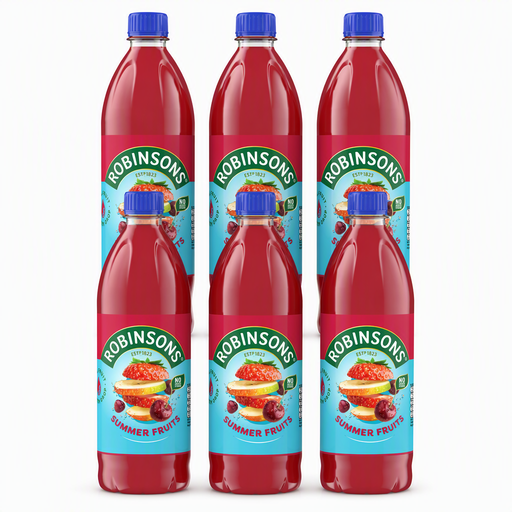
Robinsons Summer Fruits No Added Sugar Squash 6 × 1L
This six-bottle pack is a home supply of summer-fruits concentrate rather than a single ready-to-drink lunch bottle. Check the current pack's dilution directions and sweetener list, particularly if you avoid a specific ingredient.
View on Joybuy
 No image available
Ribena Pineapple and Passion Fruit No Added Sugar Squash 850ml
A pineapple and passion-fruit concentrate for a flavoured lunch drink. Check dilution directions and nutrition for the prepared drink on the current pack; read its ingredient warnings if aspartame or sulphites affect your choice.
View on Joybuy
Common questions
Is no-added-sugar squash the same as sugar-free squash?
No. A no-added-sugar squash can still contain sugars from fruit ingredients. Tesco lists Robinsons Orange No Added Sugar at 0g sugars per diluted 250ml serving, while Sainsbury's lists 2.4g for its High Juice Orange No Added Sugar at the same prepared serving size. Read the total sugars figure for the drink you will make.
What should I compare when filling a lunch bottle?
Compare nutrition for the prepared drink and follow each squash's dilution directions. Do not set an undiluted concentrate figure against another product's ready-to-drink serving; check ingredients as well if particular sweeteners or allergens matter to you.
What if I sip from the bottle between lectures?
Plain water is a between-meal option if you expect to sip repeatedly. Scottish Dental Clinical Effectiveness Programme guidance advises against prolonged sipping of soft drinks containing sugar or acid, so a no-added-sugar claim alone does not answer that concern.
Do diet squashes contain the same sweeteners and allergens?
No. The reviewed Vimto listing contains barley, while Sainsbury's Ribena Blackcurrant No Added Sugar listing names aspartame and carries a phenylalanine warning. Check the current product label for the specific ingredients relevant to you.
Is an online ingredient listing enough for a restricted diet?
Check the current physical pack before using a squash where an ingredient restriction matters. Product recipes and labels can change, so the bottle you receive needs to match the ingredients and warnings you have assessed.


