Hosts serving children and adults
Prepare each squash at its stated dilution and offer more than one flavour if guests have different preferences. Check the exact bottle before serving it to young children.


Choose no-added-sugar squash if avoiding added sugar is a priority, but compare sugars in the prepared drink rather than assuming every bottle is sugar-free. A double-strength concentrate is worth considering when bottle space is tight and you can measure its dilution; a high-juice squash offers a stated fruit-juice content, but still needs a prepared-drink nutrition and ingredient check. Keep the bottles available at the street party so guests can check what is in each drink.
Prepare each squash at its stated dilution and offer more than one flavour if guests have different preferences. Check the exact bottle before serving it to young children.
A more concentrated squash may suit a crowded table or cool box, provided you can measure the squash and water consistently when making jugs.
Keep each bottle at the serving point. Guests can then check its current ingredients and allergen declaration rather than relying on the flavour name or a ‘no added sugar’ claim.
Start with the prepared drink and the bottle’s dilution instructions, then decide whether concentration, fruit-juice content or ingredient suitability matters most for your guests.
| Priority | What to check | Your needs |
|---|---|---|
| Sugars | Read the sugars figure for the drink prepared as directed. Check the ingredients as well as the ‘no added sugar’ wording. | I want a no-added-sugar option, but still need to know how much sugar is in a served glass. |
| Batch preparation | Follow the ratio on the exact bottle and measure both concentrate and water. Sainsbury’s lists 1 part concentrate to 9 parts water for its Robinsons Double Strength Apple & Blackcurrant product; its Ribena Summer Fruits listing specifies 1 part squash to at least 4 parts water. | When I make several jugs, I want each one diluted as its own bottle directs. A more concentrated format also matters if bottle space is tight. |
| Ingredients | Read the current bottle’s full ingredients and highlighted allergens. Keep its label accessible beside the drink. | Guests need to be able to check whether a particular squash suits their ingredient requirements. |
| Fruit-juice content | Compare the stated juice percentage for the exact product alongside sugars in the prepared drink. Sainsbury’s lists its no-added-sugar Pink Grapefruit High Juice squash as containing 50% fruit juice. | I may want a squash with a specified fruit-juice content, without assuming that ‘high juice’ means sugar-free. |
A squash can contain sugars from fruit ingredients even when no sugar has been added.
Compare the sugars figure for a drink made according to the bottle’s instructions.
Concentrates have different instructions, so reusing a ratio can change the strength of the drink you serve.
Measure each batch using the instructions on its own bottle, especially when switching between standard and double-strength squash.
A no-added-sugar label does not settle questions about sweeteners, sulphites or other ingredients.
Keep the original packaging by each drink and let guests check the current label against their requirements.
The bottle size or flavour you planned to use may not be available when you shop.
Check the exact product before settling on batch quantities, and choose a second flavour or format whose label you can also check.
These examples show why the exact flavour and strength matter more than the name on the bottle; they do not indicate what is currently in stock.
A no-added-sugar squash range with different strength formats.
A no-added-sugar option for hosts considering a fruit-flavoured squash.
An own-label high-juice option with a stated fruit-juice percentage.
An own-label pink grapefruit high-juice squash option.
A retailer range to check when considering branded and own-label no-added-sugar squash.
These concentrates offer no-added-sugar flavours and bottle or multipack sizes to consider for a street party. Use each product’s own label to plan dilution and check ingredients before serving.
 No image available
A single bottle to consider when offering an orange flavour. Check its dilution instructions and current ingredients before making a batch; the product information says it is not suitable for children under 36 months.
 No image available
A 1.5L blackcurrant concentrate for making party drinks in batches. Follow this bottle’s dilution instructions and check its ingredients; the product information says it is not recommended for children under 3 years.
 No image available
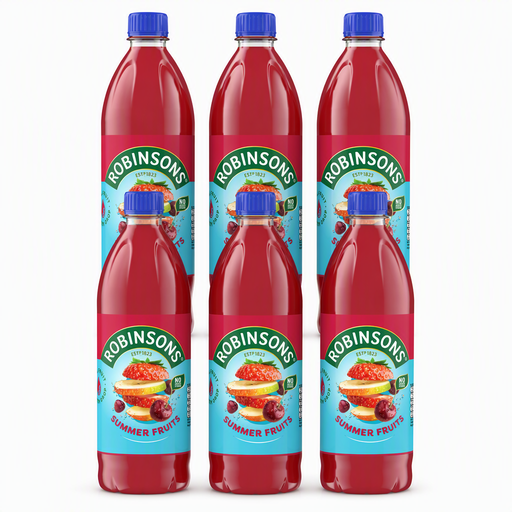
The six-bottle pack may suit a host planning several batches of summer-fruits squash. Check the label for preparation instructions and ingredients, including the listed sweeteners and sulphites.
 No image available
A single summer-fruits bottle if a multipack is more than you need. Follow its own dilution directions, and check the current ingredients and guidance for serving young children.
 No image available
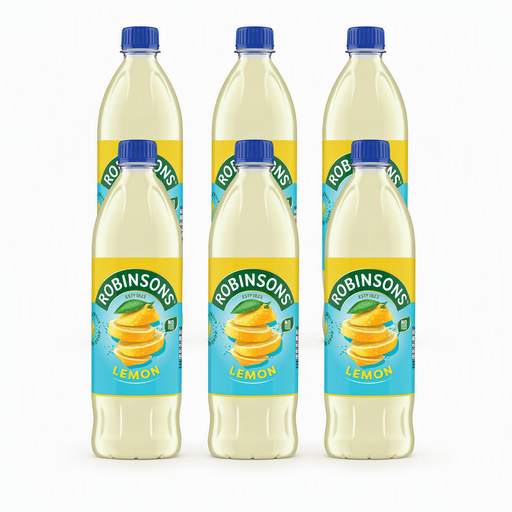
A six-bottle lemon squash pack to consider for a larger batch plan. Check the dilution instructions and full ingredients on the bottle; its product information identifies a source of phenylalanine.
No. A no-added-sugar squash can still contain sugars from fruit ingredients. Check the sugars figure for a drink made according to that bottle’s instructions.
Compare drinks prepared according to each bottle’s directions, rather than comparing concentrate with a diluted drink. The ratios can differ: Sainsbury’s lists 1:9 for Robinsons Double Strength Apple & Blackcurrant and at least 1:4 for Ribena No Added Sugar Summer Fruits.
Read the specific sweeteners and other ingredients on the bottle when deciding what to serve. The NHS describes approved sweeteners as an acceptable alternative to sugar, but that general position does not tell you whether a particular product meets every guest’s requirements.
Yes, keeping each original bottle accessible lets guests check its ingredients and allergen declaration before choosing a drink. It also gives whoever is preparing another batch the correct dilution instructions.