Hosts comparing the drink as served
If you want to compare sugars or calories, look at the figures for the diluted drink rather than treating bottle size or concentrate nutrition as the measure.


Choose party squash by comparing the nutrition of the diluted drink you plan to serve, then check the exact bottle's ingredients against guests' requirements. A no-added-sugar label does not mean sweetener-free or necessarily sugar-free; the mixing instructions also determine how many glasses a bottle makes.
If you want to compare sugars or calories, look at the figures for the diluted drink rather than treating bottle size or concentrate nutrition as the measure.
If someone avoids a particular sweetener or ingredient, check the current pack before making a shared jug. The words “no added sugar” cannot answer that question on their own.
Use the bottle's dilution instructions and stated servings to plan the number of glasses. Concentrates of different strengths should not be judged by bottle volume alone.
Start with the drink guests will actually receive, then check ingredients and the quantity you can prepare at the labelled strength.
| Priority | What to check | Your needs |
|---|---|---|
| Prepared-drink nutrition | Compare energy and sugars on the same diluted basis, such as per 100ml or per stated 250ml glass. Keep each product's mixing ratio alongside its figures. | I want to know what is in the squash as poured, not compare concentrate with a ready-to-drink serving. |
| Sweeteners and sugar | Read the full ingredient list as well as the nutrition panel. A no-added-sugar claim does not establish that a drink contains no naturally occurring sugars or sweeteners. | If a guest avoids a particular sweetener, I need to check the exact flavour and bottle rather than rely on its front label. |
| Guest requirements | Check the current pack's ingredients, allergen declaration and any applicable warnings before preparing a shared drink. | I'd rather keep water available separately than assume one jug suits everyone's ingredient requirements. |
| Party quantity | Look for the stated dilution ratio and servings per bottle. Estimate your glasses at that strength; a stronger pour will change the yield. | There need to be enough prepared drinks for the gathering, not simply a large-looking bottle on the table. |
| Flavour and fruit content | Choose a flavour guests will want and check the declared fruit-juice content if it matters to your selection. Compare nutrition separately on a matching prepared basis. | Fruit content may matter more to my menu than selecting by the calorie figure alone. |
A no-added-sugar squash can still have naturally occurring sugars and listed sweeteners. Those distinctions matter when a guest has an ingredient-specific requirement.
Read both the sugars figure and the complete ingredient list on the bottle you intend to serve.
Energy or sugars per 100g of concentrate cannot be directly ranked against figures for a prepared 250ml serving.
Use figures stated on a matching diluted basis, with the relevant mixing instructions.
Product examples in the Tesco and Waitrose ranges list ingredients such as sweeteners, sulphites or barley; the relevant details depend on the exact product.
Inspect the current pack before filling a shared jug, and offer plain still or sparkling water separately.
Different mixing strengths produce different amounts of prepared squash. An opened bottle may also have product-specific storage instructions.
Plan using the labelled servings and dilution ratio, and keep the bottle for its ingredient and storage information.
These product examples show different label details worth comparing; a brand name alone does not establish the nutrition or ingredients of every flavour.
Robinsons has no-added-sugar squash examples at different stated mixing strengths.
Tesco's product listings include no-added-sugar squash from more than one brand.
Waitrose lists an Essential No Added Sugar Summer Fruits squash alongside branded options.
M&S offers no-added-sugar squash in its High Juice range.
These no-added-sugar squash concentrates offer orange, summer fruits, lemon and blackcurrant options in single bottles or multipacks. Check each exact variant's ingredients and mixing instructions when planning drinks for guests.
 No image available
For a party glass with stated diluted nutrition, this Orange variant is listed at 3 kcal per 250ml. Tesco gives a 1:4 mixing ratio and 20 servings for the same 1L variant. Check the current pack for sucralose, acesulfame K and sulphites before serving.
 No image available
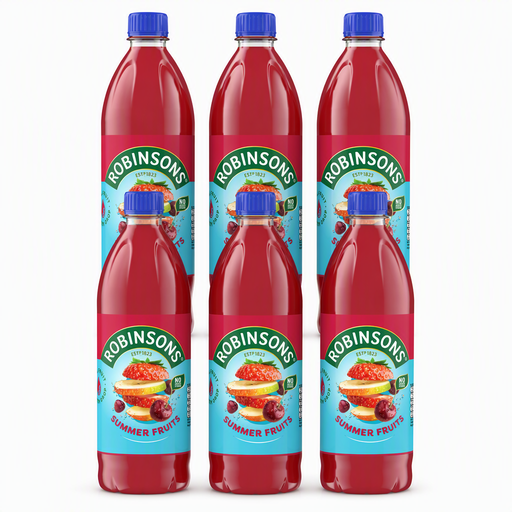
The six-bottle pack is an option when planning drinks for a larger gathering. Its product description states 2 kcal per 100ml diluted, 0.6g sugars per 250ml diluted and up to 25 servings per 1L bottle. Check the pack's mixing instructions when estimating quantity, and its declaration of aspartame, saccharin and sulphites for guests with ingredient requirements.
 No image available
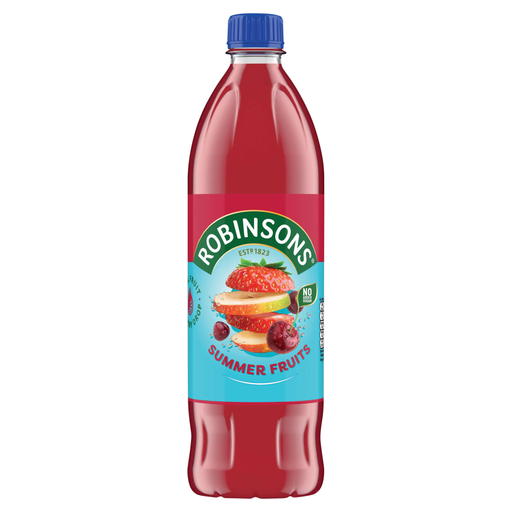
This single-bottle Summer Fruits option has a stated figure of 2 kcal per 100ml diluted. Check its current pack for the mixing ratio and sugars figure before comparing prepared glasses or estimating yield. Its ingredient information lists sucralose, acesulfame K and sulphites.
 No image available
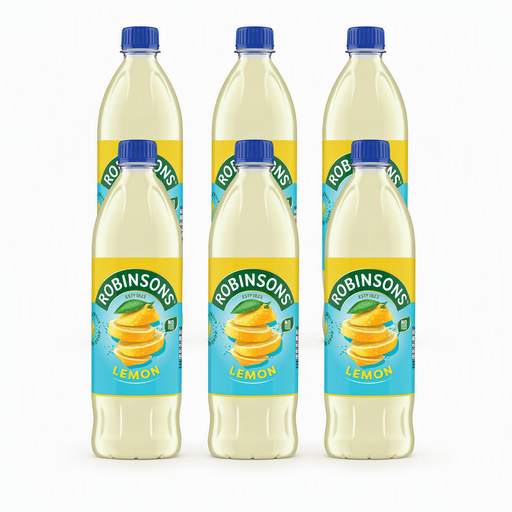
This six-bottle lemon option gives hosts a different flavour for a larger party. Check the current pack's prepared-drink nutrition and dilution instructions before comparing glasses or planning servings. Also check its sweetener declaration and any phenylalanine warning if relevant to a guest.
 No image available
The 1.5L blackcurrant concentrate offers another flavour for the drinks table. Use the pack's dilution instructions and prepared-drink nutrition to plan and compare glasses. Check its ingredient declaration for aspartame, acesulfame K, sucralose and sodium bisulphite against guests' requirements.
No. A no-added-sugar claim does not rule out naturally occurring sugars. Check the sugars figure for the diluted drink you will serve, as well as the exact product's ingredients.
Some of the Robinsons, Waitrose Essential and M&S examples list sweeteners, but the label on one product cannot establish the ingredients of another. Read the current ingredient list for the exact flavour and bottle if a guest avoids a particular sweetener.
Check the physical pack's ingredients, allergen declaration and warnings before making a shared jug. Product examples list sulphites or barley, so do not assume a no-added-sugar label establishes suitability; keep water available separately.
Use that bottle's stated dilution ratio and servings to estimate how many prepared glasses you can pour. Mixing squash more strongly than directed changes the yield, so bottle volume alone is not enough for party planning.
Follow the instructions on the exact bottle. For example, Waitrose & Partners says its listed Ribena Blackcurrant No Added Sugar squash should be refrigerated after opening and consumed within 21 days; do not apply that period to other products.