Parents preparing a daily lunch bottle
If you make a drink before school, the dilution directions and nutrition values for the prepared drink matter more than the claim on the front of the bottle.


Choose water for a school-day bottle if drinking between meals and dental care are the main considerations: NHS dental guidance identifies plain water and milk as the safe drinks for teeth and advises keeping well-diluted squash to mealtimes. If you choose no-added-sugar squash for lunch, compare sugars in the diluted drink, read the ingredients and allergen information, and follow the pack’s dilution directions.
If you make a drink before school, the dilution directions and nutrition values for the prepared drink matter more than the claim on the front of the bottle.
A squash drink can be diluted at home and taken in a reusable bottle for lunch, without asking a pupil to measure concentrate at school.
No added sugar does not mean sweetener-free or allergen-free. Read the current pack when a pupil needs to avoid a listed ingredient.
Decide when the drink will be consumed, then compare labels for the drink as prepared rather than the concentrate alone.
| Priority | What to check | Your needs |
|---|---|---|
| Drink and timing | Consider water for drinking throughout the school day. North Tees and Hartlepool NHS Foundation Trust advises limiting well-diluted squash to mealtimes. | Will the bottle be used with lunch, or sipped from between meals? |
| Sugars when diluted | Compare sugars using the same volume of prepared drink. Tesco lists 0 g per 250 ml diluted serving for Robinsons Orange; Sainsbury’s lists 2.0 g per 250 ml for its Pink Grapefruit High Juice squash. | I want to know what is in the drink I actually put in the lunch bottle, not just whether its label says no added sugar. |
| Ingredients and allergens | Read the current sweetener list and allergen declaration. The Food Standards Agency notes that sulphites can trigger allergic reactions in sensitive individuals. | If an ingredient needs to be avoided, I need to check the individual pack rather than assume all no-added-sugar squashes are alike. |
| Dilution and format | Follow the product’s mixing directions. Tesco directs shoppers to use one part Robinsons Orange concentrate to four parts water; Waitrose states that Robinsons Mini must not be drunk undiluted. | Can I prepare the bottle at home, or would the pupil have to measure concentrate and add water at school? |
Sainsbury’s lists 2.0 g sugars per 250 ml diluted serving for its no-added-sugar Pink Grapefruit High Juice squash, while Tesco lists 0 g for the same volume of diluted Robinsons Orange.
Compare the nutrition panels on an equivalent prepared-drink basis.
North Tees and Hartlepool NHS Foundation Trust identifies plain water and milk as the safe drinks for teeth and advises limiting well-diluted squash to mealtimes.
Use water for a bottle intended for drinking throughout the day; if choosing squash, prepare it for lunch and follow the dilution directions.
No-added-sugar squashes can contain sweeteners and sulphites. The Food Standards Agency notes that sulphites can trigger reactions in sensitive individuals.
Check the ingredients and allergen information on the current pack, particularly when the pupil needs to avoid a listed ingredient.
Waitrose’s directions for Robinsons Mini say not to drink it undiluted.
Prepare the drink at home unless the pupil can reliably mix the concentrate with water as directed.
These examples show why flavour, format and the prepared-drink label are worth checking separately; they do not imply that every product listed here is sold by Joybuy.
Its no-added-sugar orange squash appears in a standard bottle and a Mini concentrate format.
Blackcurrant No Added Sugar offers a blackcurrant-flavoured concentrate.
Its Pink Grapefruit High Juice squash is a no-added-sugar option containing 50% fruit juice.
Its Orange Squash is labelled no added sugar and double strength, and its product page states that it contains 20% fruit.
Tesco’s product listings provide dilution and ingredient details for named no-added-sugar squashes, including Robinsons and Ribena.
Its no-added-sugar squash range includes standard bottles, high-juice squash and Mini concentrate.
These concentrates are options for preparing a no-added-sugar squash drink for a lunch bottle at home. Compare the current pack’s dilution directions, prepared-drink nutrition and ingredients before choosing a flavour.
 No image available
For an orange squash prepared before school. Tesco lists one part concentrate to four parts water and 0 g sugars per 250 ml diluted serving for this product; check the current pack’s ingredients and allergen information.
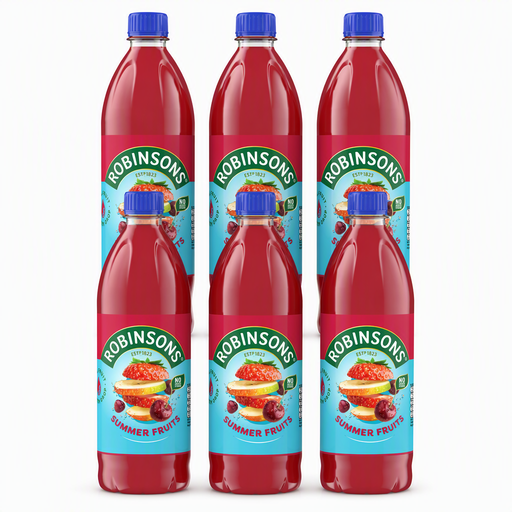 No image available
A six-bottle summer-fruits option for preparing drinks at home. Check the pack’s mixing directions and ingredients before filling a lunch bottle.
 No image available
A lemon option for a drink prepared at home. Check the current pack’s ingredients and allergen declaration before buying if the pupil needs to avoid particular ingredients, and follow its dilution directions.
 No image available
A blackcurrant concentrate for making a lunch drink before school. Check the 1.5L pack’s dilution directions, prepared-drink nutrition and allergen information rather than applying figures from another Ribena bottle size.
 No image available
A pineapple-and-passion-fruit option for home preparation. Use the current pack to check how to dilute it and compare nutrition for the prepared drink, not just the concentrate.
Choose water if the bottle will also be used between meals and dental care is the main consideration. North Tees and Hartlepool NHS Foundation Trust identifies plain water and milk as the safe drinks for teeth and advises limiting well-diluted squash to mealtimes.
No. Sainsbury’s lists 2.0 g sugars per 250 ml diluted serving for its no-added-sugar Pink Grapefruit High Juice squash, while Tesco lists 0 g for a 250 ml diluted serving of Robinsons Orange. Check each product’s prepared-drink nutrition panel.
Only if they can follow the product’s dilution directions and have water available. Waitrose states that Robinsons Mini must not be drunk undiluted; preparing a bottle at home avoids the need to measure concentrate at school.
Check the sweeteners and allergen declaration on the current pack. The listed examples use different sweeteners, and some contain sulphites; the Food Standards Agency notes that sulphites can trigger allergic reactions in sensitive individuals.