Second-home owners planning cupboard stock
If bottles may sit between visits, choose a size that fits your expected use and check both unopened and opened storage instructions. Some products need refrigeration once opened.


For a second home used regularly, a larger squash bottle may mean fewer restocking trips; for occasional visits, choose a size you can finish within its instructions for use after opening. Whichever format you prefer, check the diluted drink’s sugars, ingredients, dilution directions and storage instructions: ‘no added sugar’ does not mean sugar-free or free of sweeteners and allergens.
If bottles may sit between visits, choose a size that fits your expected use and check both unopened and opened storage instructions. Some products need refrigeration once opened.
A no-added-sugar claim is a starting point, not a substitute for the nutrition panel. Compare sugars in the drink as prepared and check whether the cordial contains fruit juice or sweeteners.
Read the current label for sulphites, sweeteners and any relevant warnings on the exact bottle. Recipes can differ between flavours and ranges.
Start with how often the second home is used, then compare the prepared drink and its ingredients rather than choosing by bottle size or the front-of-pack claim alone.
Consider it: For regular visits or several people using the same bottle; Tesco lists no-added-sugar squash in 1.5L formats.
Trade-off: More concentrate is useful only if the opened bottle can be stored and used as its label directs.
Consider it: If a stated fruit-juice percentage matters to you; Marks & Spencer labels its Apple & Elderflower and Lemon & Lime High Juice drinks as 50% fruit juice.
Trade-off: Fruit juice can contribute sugars, so compare the prepared drink’s nutrition information as well as the juice percentage.
Consider it: For occasional visits when a large opened bottle would be difficult to finish.
Trade-off: A smaller bottle still needs an opening plan: Waitrose lists three weeks of refrigerated use after opening for Belvoir Lemon & Lime No Added Sugar Cordial.
| Priority | What to check | Your needs |
|---|---|---|
| Bottle size and storage | Compare volume with likely use. Read the instructions for storage before and after opening, including any refrigeration and use period. | I visit infrequently, so I would rather finish an opened bottle than leave it at the property beyond its stated period. |
| Sugars and fruit juice | Compare sugars for the drink as prepared, using the same basis where possible. Check the stated fruit-juice percentage and dilution directions. | I want to know what will be in the glass, not assume that ‘no added sugar’ means no sugars. GOV.UK defines free sugars to include sugars added to food or drink; the nutrition panel reports sugars on its stated basis. |
| Flavour and preparation | Choose a flavour the household will use. Follow that bottle’s dilution instructions rather than applying a ratio from another cordial. | For a shared cupboard, a familiar flavour and clear preparation directions matter more to me than bottle size alone. |
| Ingredients | Read the current ingredient and allergen information for the exact variant, including named sweeteners and sulphites. | If someone using the property needs to avoid an ingredient, I need to check each bottle rather than rely on the range name. |
Fruit-based drinks can still declare sugars, and no-added-sugar varieties may contain sweeteners. A front-of-pack claim cannot tell you the sugars in your prepared drink.
Compare the nutrition panel on the same prepared-drink basis, then read the fruit-juice percentage and ingredient list.
Opened storage can be much shorter than the time between stays. Waitrose lists refrigeration and use within three weeks after opening for Belvoir Lemon & Lime No Added Sugar Cordial.
Choose a size that fits your visits, and check the selected bottle’s own instructions before leaving it at the property.
An unfinished bottle may go to waste if it cannot be used within its stated opened period.
Sweeteners and allergen declarations can vary by product. The Food Standards Agency identifies sulphites as relevant to people who may react to them.
Check the current pack label for everyone who will use the drink, particularly where sulphites or a specific sweetener matter.
These branded and supermarket ranges illustrate different formats and formulations; check the exact flavour and bottle rather than applying a range-wide assumption.
An everyday squash range with no-added-sugar flavours in more than one bottle size.
An own-label option to compare when a larger, concentrated no-added-sugar squash suits regular use.
An own-label lime cordial for shoppers comparing a specific fruit-juice formulation.
High Juice options to compare when stated fruit-juice content is a buying priority.
A retailer range in which to compare own-label high-juice drinks with branded no-added-sugar squash and cordial.
These no-added-sugar squash bottles offer different flavours and sizes for stocking a second home. Compare each bottle’s label with your visit pattern before choosing.
 No image available
The 1.5L bottle is an option to consider for a second home used regularly. Check the pack’s dilution and opened-storage directions before deciding whether this size fits your visits.
 No image available
This 1L orange squash offers a different bottle size for planned cupboard stock. Read the current label for dilution, ingredients and how to keep it after opening.
 No image available
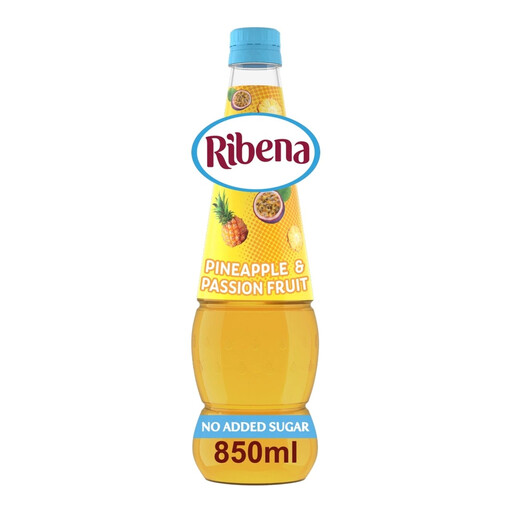
The 850ml bottle may be easier to plan around for shorter stays than the larger bottles shown here. Check its preparation, ingredient and opened-storage instructions on the pack.
 No image available
This 1L Summer Fruits squash is another flavour to consider for shared cupboard stock. Check the pack’s dilution directions and opened-bottle use period against the time between visits.
 No image available
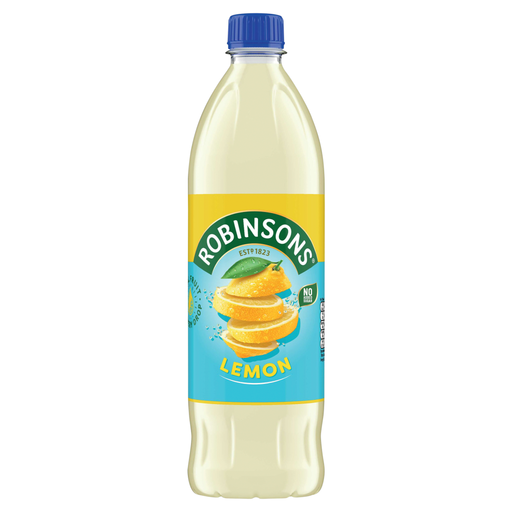
The 1L lemon squash provides a citrus option for a regularly used cupboard. Use the current physical pack for ingredient and nutrition decisions, as well as dilution and storage instructions.
No. A drink made with fruit juice can still declare sugars despite having no added sugar. Compare the nutrition panel for the exact product and follow its dilution directions so you understand the figures for the drink you prepare.
Only if you can follow that bottle’s opened-storage instructions throughout the gap. For example, Waitrose lists refrigeration and use within three weeks after opening for Belvoir Lemon & Lime No Added Sugar Cordial; check the period on your chosen bottle before leaving it behind.
No. Sweeteners and allergen declarations vary between products. Check the current label on each bottle for ingredients such as sulphites and for any warnings relevant to the people using it.
No. Follow the directions on the bottle you buy: products can require different amounts of water, and nutrition information may be given for a particular prepared drink. Check that basis when comparing labels.