Students choosing a flavoured revision drink
If you want an alternative to regular sweetened squash during study breaks, look for a no-added-sugar variety and compare the diluted drink’s nutrition information.


For a flavoured drink during revision, choose a no-added-sugar squash if avoiding added sugar is your priority, and dilute it according to the bottle. Compare the prepared drink’s nutrition information and the exact ingredients: no added sugar does not mean sugar-free or sweetener-free, and water remains a straightforward option.
If you want an alternative to regular sweetened squash during study breaks, look for a no-added-sugar variety and compare the diluted drink’s nutrition information.
Concentrates come in different bottle sizes and strengths. Check each bottle’s dilution directions and stated servings to understand how much prepared squash it makes.
If sweeteners, fruit content or allergens affect your choice, read the ingredients and nutrition information for the exact flavour and bottle rather than relying on the brand name.
Start with the label claim, then check how the squash is prepared and what the finished drink contains.
| Priority | What to check | Your needs |
|---|---|---|
| Added sugar | Check for a no-added-sugar claim, then read total sugars for the diluted drink. Naturally occurring sugars may still be present. | I want a flavoured revision drink without choosing a sugar-sweetened squash by default. |
| Flavour and dilution | Choose a flavour you prefer and follow that bottle’s dilution directions. Compare nutrition on the prepared-drink basis where it is stated. | A drink I enjoy preparing may suit study breaks; I also want water available. The NHS says other drinks can contribute to fluid intake. |
| Ingredients | Read the current ingredients list for sweeteners and ingredients you avoid. Assess stated fruit content separately from total sugars. | If a particular sweetener, fruit ingredient or allergen matters to me, I need to check the exact variant. |
| Bottle format | Check whether the concentrate is standard, double or quadruple strength. Use its own dilution directions when considering how many drinks a bottle makes. | For repeated revision sessions, I want a format that fits how often I prepare squash. |
A squash containing fruit juice may still contain naturally occurring sugars, and no-added-sugar varieties may use sweeteners.
Check both the diluted drink’s nutrition panel and the exact bottle’s ingredients if a particular sugar or sweetener distinction matters to you.
Different concentrate strengths can require different amounts of squash for one prepared drink.
Read each product’s dilution directions and stated servings rather than using the same mixing ratio for every bottle.
Fruit percentage, added sugar and total sugars describe different things. A higher-fruit option still needs a diluted-nutrition check.
Choose on fruit content if that is your preference, then assess total sugars and serving information separately.
Recipes and packaging can change, which matters when you avoid an ingredient or allergen.
Check the current product label before drinking, particularly if you have an allergy or intolerance.
These examples illustrate label differences worth checking; they do not describe every flavour or product in a range.
Robinsons Summer Fruits is one example of a no-added-sugar fruit squash.
Waitrose & Partners describes Vimto No Added Sugar as a concentrated mixed-fruit drink with flavourings and sweeteners.
Tesco lists own-label no-added-sugar squash in quadruple-strength formats.
Marks & Spencer describes its Orange Squash as double strength, no added sugar and made with 20% real fruit.
Waitrose & Partners lists own-label no-added-sugar high-juice squash alongside branded varieties.
These no-added-sugar concentrates offer different fruit flavours and bottle formats for preparing a drink during revision. Check each bottle’s ingredients and dilution directions before choosing.
 No image available
An orange-flavoured concentrate for a study-break drink. Follow the bottle’s dilution directions and check its current ingredients if sweeteners or sulphites matter to you.
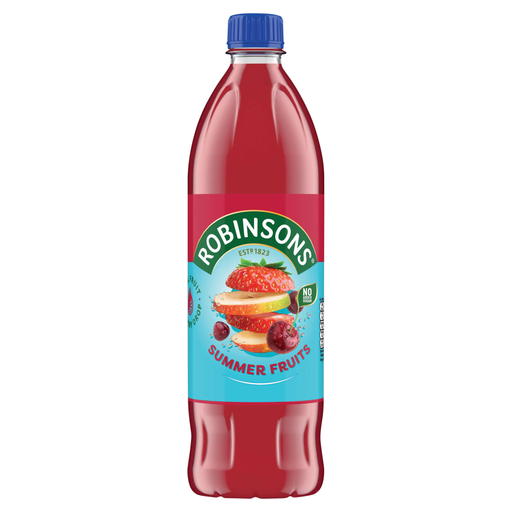 No image available
A Summer Fruits option if you prefer a mixed-fruit flavour during revision. Check the bottle’s dilution instructions and current ingredients if avoiding particular sweeteners or sulphites.
 No image available
A larger blackcurrant concentrate for preparing drinks across several study sessions. Follow its own mixing directions, and use the current bottle to check ingredients and prepared-drink nutrition.
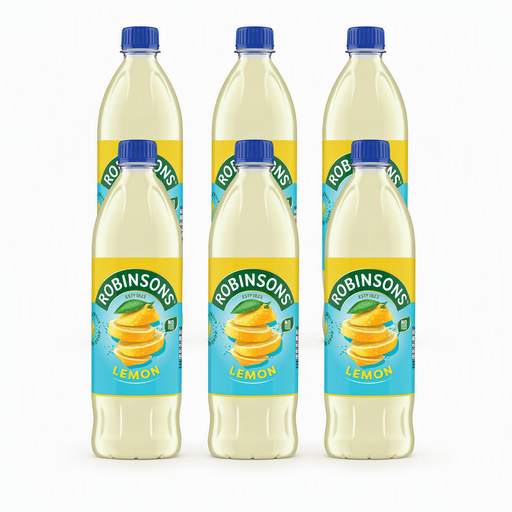 No image available
A lemon-flavoured option whose title specifies a 6x1L pack. Confirm the pack contents before choosing it, and check the current bottle for diluted nutrition and ingredients relevant to you.
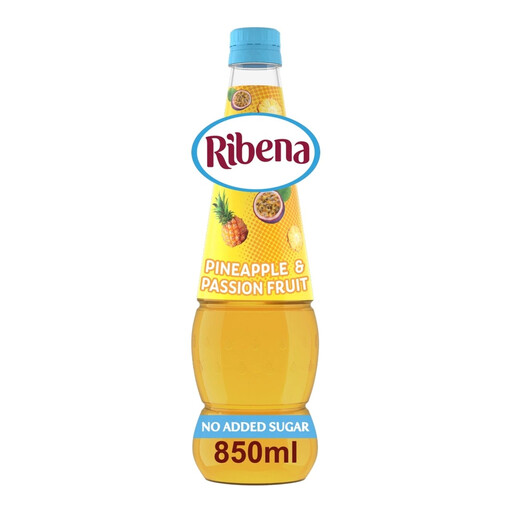 No image available
A pineapple-and-passion-fruit flavour for those who want a change from berry or citrus squash. Check the current ingredients if sweeteners or sulphites matter to you; compare nutrition for the drink after following the bottle’s dilution directions.
No. Sugars naturally present in fruit juice may remain. Read the total sugars information for the diluted drink as well as its ingredients.
Some do. Waitrose & Partners describes its Vimto No Added Sugar listing as containing sweeteners; check the current label of the specific squash and flavour you choose.
Follow the directions on that bottle. Concentrates can differ in strength, so another product’s mixing ratio may not give the intended prepared drink.
Squash can contribute to fluid intake, but water remains a straightforward option. The NHS describes water as a healthy, cheap hydration choice; choose squash for flavour rather than expecting a revision-performance benefit.
Check the exact product’s current ingredients before drinking it, including after a packaging change. GOV.UK guidance says prepacked food labels must emphasise the 14 allergens required to be declared in the ingredients list.