Households buying squash regularly
If a bottle needs to last through regular use, compare its stated servings or dilution directions alongside its shelf price. A larger bottle does not, by itself, tell you how much prepared drink it makes.


For a budget shop, compare what each bottle makes at its stated dilution, rather than choosing by bottle size alone. Waitrose Essential Summer Fruits and Robinsons Double Strength Summer Fruits both specify one part squash to nine parts water; Sainsbury's Lime Cordial specifies one part to four. Those ratios help you compare prepared volume, but check the current shelf price, ingredients and suitability for your household before deciding.
If a bottle needs to last through regular use, compare its stated servings or dilution directions alongside its shelf price. A larger bottle does not, by itself, tell you how much prepared drink it makes.
If you are replacing sugary squash, check the sugars information for the drink as prepared. The NHS names no-added-sugar drinks as an alternative to sugary squash, but fruit ingredients can still contribute naturally occurring sugars.
Sweeteners, sulphites, phenylalanine warnings and child-use directions can differ between bottles. Check the current label before buying a larger pack, particularly when a household member has a relevant dietary requirement.
Start with the amount of drink you would make at the stated dilution, then compare labels for the drink you intend to serve.
| Priority | What to check | Your needs |
|---|---|---|
| Value after dilution | Check the bottle volume, stated water-to-squash ratio and current shelf price. Compare the cost of the prepared volume, not just the concentrate. | I use squash regularly and want to know how far a bottle will go at the strength I make it. |
| Sugars in the drink | Read the sugars figure, serving size and dilution basis together. Check whether a nutrition value describes concentrate or the prepared drink. | When I choose no-added-sugar squash, I still want to know what is in the glass. |
| Ingredients and warnings | Read the current ingredient and allergen statement for sweeteners, sulphites and any phenylalanine warning. Check the exact variant rather than another flavour from the same brand. | Before I buy several bottles, the ingredients need to fit my household's requirements. |
| Serving and storage | Follow that bottle's dilution, child-use and after-opening instructions. Do not assume the same directions apply across flavours or sizes. | If children will have it, or an open bottle may last a while, I need instructions that suit how we will use it. |
Waitrose & Partners lists one part squash to nine parts water for Essential Summer Fruits and Robinsons Double Strength Summer Fruits. Sainsbury's lists one part cordial to four parts water for its Lime Cordial. These bottles therefore make different prepared volumes relative to their concentrate volumes.
Use each bottle's stated dilution and current shelf price when comparing value. A stronger pour will make less prepared drink than the stated ratio suggests.
Fruit ingredients can contribute naturally occurring sugars to a no-added-sugar squash. Nutrition figures can also be presented for different preparation strengths.
Check the sugars figure for the diluted drink, along with its serving size and mixing directions.
The listed products include different sweeteners and sulphite declarations; the Ribena Blackcurrant listing at Waitrose & Partners also carries a phenylalanine warning. A flavour or pack size is not a substitute for checking the exact label.
Read the current bottle's ingredient and allergen information before buying, particularly for a relevant household requirement.
Leeds Teaching Hospitals NHS Trust advises that no-added-sugar drinks such as squash can contain sugar and, for children aged 0 to 9, should be offered only at mealtimes. Its guidance names plain water and plain milk as drinks between meals.
If serving squash to a child, also follow the specific bottle's age and dilution instructions.
These examples show how dilution, fruit content and ingredients vary between particular UK listings; a brand name alone does not settle the budget choice.
Its listed no-added-sugar Summer Fruits and Apple & Blackcurrant squashes are double-strength own-label options.
The cited listings cover different no-added-sugar formats, including Double Strength Summer Fruits, single-strength Orange and Mini Orange.
Its listed no-added-sugar Lime Cordial is a lime option rather than a like-for-like double-strength squash.
The listed M&S Orange Squash is a no-added-sugar, double-strength option.
The cited Ribena Blackcurrant No Added Sugar listing is a blackcurrant option with its own dilution and storage directions.
These Joybuy options cover orange, summer-fruit, blackcurrant and tropical-flavour squash in different bottle and pack sizes. For a budget comparison, check each option's current shelf price and preparation directions before choosing.
 No image available
A single bottle for shoppers considering orange squash. Check its dilution directions to compare prepared volume, and read the current label for sulphites and child-use instructions.
 No image available
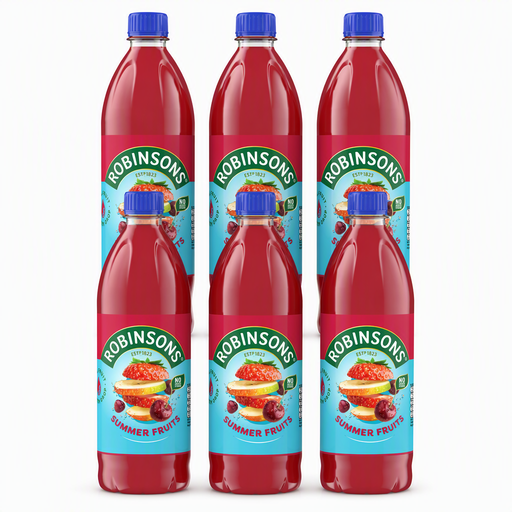
The six-bottle pack may suit households planning regular use. Compare its pack price using the preparation directions for this product, and check the current label for sulphites and a phenylalanine warning.
 No image available
This single-bottle summer-fruit option avoids committing to a multi-pack. Check its own dilution directions for a value comparison; its listing also calls for an ingredient check and advises extra water when serving to toddlers.
 No image available
A larger blackcurrant bottle for shoppers comparing household-use formats. Check its preparation directions and current label, including the sodium bisulphite declaration and child-use instructions, before buying.
 No image available
A smaller bottle for shoppers choosing pineapple and passion-fruit flavour. Check how you will dilute it before comparing value, and read the current label for sulphites, phenylalanine and after-opening directions.
No. Fruit ingredients can contribute naturally occurring sugars even when no sugar is added. Read the sugars figure and check whether it describes the squash after dilution.
Compare the current shelf price against the volume made at each bottle's stated dilution. Waitrose & Partners lists a one-to-nine ratio for Essential Summer Fruits, while Sainsbury's lists one-to-four for its Lime Cordial, so equal bottle volumes would not make equal volumes of drink.
For children aged 0 to 9, Leeds Teaching Hospitals NHS Trust advises offering no-added-sugar drinks such as squash only at mealtimes and names plain water and plain milk as drinks between meals. Follow the particular bottle's age and dilution directions as well.
Check the exact bottle for sweeteners, sulphites and any phenylalanine warning relevant to your household. The Ribena Blackcurrant listing at Waitrose & Partners, for example, declares aspartame, sodium bisulphite and a source of phenylalanine.
Follow the directions for your particular bottle. The Robinsons Orange listing at Waitrose & Partners says to consume it within four weeks of opening; its Ribena Blackcurrant listing says to refrigerate after opening and drink within 21 days.