Gamers swapping sugary drinks
If you want squash with your snacks instead of a sugary fizzy drink or full-sugar squash, compare nutrition figures for the drink as prepared. The NHS lists no-added-sugar drinks among alternatives to sugary drinks.


For a flavoured drink alongside gaming snacks, choose no-added-sugar squash by checking the sugars in the prepared drink, the dilution directions and the bottle’s stated servings. A more concentrated squash may suit repeated sessions, while a high-juice recipe may suit someone prioritising fruit content; “no added sugar” alone does not tell you how much total sugar is in a glass.
If you want squash with your snacks instead of a sugary fizzy drink or full-sugar squash, compare nutrition figures for the drink as prepared. The NHS lists no-added-sugar drinks among alternatives to sugary drinks.
If several people use the same bottle, its stated servings and mixing directions help you judge how it fits repeat sessions. For example, Tesco Groceries lists 100 servings for its Quadruple Strength Lime squash, while ASDA Groceries lists 20 for Robinsons Single Strength Summer Fruits.
If fruit content matters more to you than a minimal total-sugar figure, check both the juice percentage and the prepared-drink nutrition. Sainsbury’s lists 50% fruit juice and 3.4g sugars per prepared 250ml serving for its High Juice White Grape & Peach squash.
Start with the glass you will actually make, then check how much concentrate it takes and whether the ingredients suit your household.
| Priority | What to check | Your needs |
|---|---|---|
| Prepared-drink sugars | Read the sugars figure for a diluted serving. Compare the same serving volume where possible, and check the fruit-juice content separately. | I want a flavoured drink with my snacks without assuming that “no added sugar” means zero total sugar. Sainsbury’s lists 3.4g sugars per prepared 250ml serving for its 50%-juice High Juice White Grape & Peach squash. |
| Mixing and yield | Check the dilution ratio, serving size and stated servings per bottle. Tesco Groceries specifies 1 part squash to 19 parts water and 100 servings for its Quadruple Strength Lime squash. | Several of us may be mixing drinks through repeat gaming sessions, so I need directions that are easy to measure and a bottle with a suitable stated yield. |
| Fruit content and flavour | Look at the stated juice percentage and flavour, then read the prepared-drink sugars figure rather than treating juice content as a sugar measure. | A fruit-forward flavour matters to me, and I’m happy to compare its total sugars with other prepared drinks before choosing. |
| Ingredients and storage | Read the exact bottle’s sweetener and allergen information. Check its directions for storing the bottle after opening. | Someone sharing the drinks may need to avoid a particular ingredient, or we may take longer to finish an opened bottle. |
Fruit juice can contribute sugars to a no-added-sugar squash. Sainsbury’s lists 3.4g sugars per prepared 250ml serving for its High Juice White Grape & Peach product.
Compare the sugars figures for prepared drinks at comparable serving volumes, especially if you are choosing between high-juice and other recipes.
Strength changes how much concentrate goes into each glass. Tesco Groceries labels its Quadruple Strength Lime squash for 100 servings, while ASDA Groceries labels Robinsons Single Strength Summer Fruits for 20.
Check the stated serving count alongside the dilution directions to see whether the suggested glass matches the one you usually make.
No-added-sugar does not mean free of sweeteners or ingredients that need particular attention. Waitrose & Partners lists aspartame for Ribena Blackcurrant No Added Sugar and carries a phenylalanine warning.
Read the current ingredient and allergen information on the exact bottle if anyone sharing it needs to avoid a particular ingredient.
An opened bottle may have a stated storage method and use-by period. Waitrose & Partners directs shoppers to refrigerate its listed Ribena Blackcurrant No Added Sugar after opening and drink it within 21 days.
Check the bottle’s own directions and choose a size your household expects to use within that period.
These examples show how named squash ranges differ; check the current label for the particular flavour and strength you buy.
Summer Fruits appears in both single-strength and double-strength no-added-sugar formats in the reviewed retailer listings.
Its no-added-sugar Quadruple Strength Lime squash is an example for shoppers comparing highly concentrated formats.
The High Juice White Grape & Peach no-added-sugar squash offers a stated fruit-juice percentage for shoppers comparing recipes.
ASDA Orange Squash is a no-added-sugar option with a stated serving count and mixing ratio.
M&S Orange Squash is listed as a double-strength, no-added-sugar recipe.
Essential No Added Sugar Summer Fruits Squash is a double-strength option with stated preparation guidance.
These squash concentrates offer blackcurrant, citrus, summer-fruit and tropical flavours for a drink to mix alongside gaming snacks. Compare each bottle’s current label for prepared-drink nutrition, dilution and ingredients before choosing.
 No image available
A blackcurrant option if you plan to mix several drinks at home. Check the bottle’s prepared-drink nutrition and stated servings when comparing it with other strengths, and read the current ingredient label if sweeteners or allergens matter to your household.
 No image available
An orange-flavoured choice for mixing a drink with snacks. Use the bottle’s dilution directions, then compare its prepared-glass nutrition and stated servings with other options.
 No image available
A summer-fruit option for a prepared drink beside gaming snacks. Joybuy’s product description gives 2 calories per 100ml diluted; check the current label for its sugars figure, mixing directions and servings before comparing bottles.
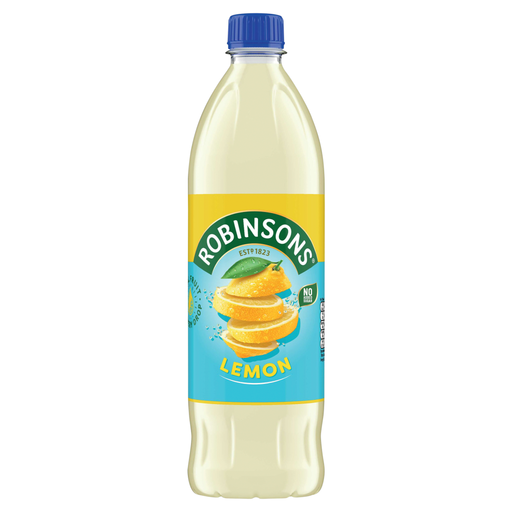 No image available
A lemon option if you prefer citrus with your snacks. Check the exact bottle for ingredients and prepared-drink nutrition, as well as the dilution directions and stated servings you would use for comparison.
 No image available
A pineapple-and-passion-fruit option if flavour is your starting point. Compare the nutrition for a prepared glass, follow the bottle’s dilution directions and check its after-opening storage instructions.
Yes, if you want a flavoured alternative: the NHS lists sugar-free, diet and no-added-sugar drinks among options to choose instead of sugary squash or fizzy drinks. Water is another option; for squash, compare the prepared-drink nutrition and follow its dilution directions.
No. Fruit juice can contribute naturally occurring sugars. Sainsbury’s lists 3.4g sugars per prepared 250ml serving for its no-added-sugar High Juice White Grape & Peach squash, so read the diluted-drink nutrition panel rather than relying on the front-of-pack wording alone.
Compare the stated dilution ratio, prepared serving size and servings per bottle. Tesco Groceries lists 1 part squash to 19 parts water and 100 servings for its Quadruple Strength Lime product; ASDA Groceries lists 1 part to 4 parts water and 20 servings for Robinsons Single Strength Summer Fruits.
Read the current bottle’s sweetener, ingredient and allergen information for everyone who will drink it. For example, Waitrose & Partners lists aspartame and a phenylalanine warning for Ribena Blackcurrant No Added Sugar; ingredients can differ between products and flavours.
A stronger mix uses more concentrate than the stated preparation, so nutrition figures given for the directed dilution will not describe that glass. Follow the product’s mixing instructions when comparing servings or nutrition; the NHS also advises diluting squash well.