Gym-goers who prefer flavoured water
For a routine session, dilute squash in a refillable bottle if flavour makes water more appealing. It does not take the place of food for fuelling exercise.


Pack no-added-sugar squash if you want to flavour water for a routine gym visit and can dilute the concentrate as directed; treat it as a drink, not a snack or workout fuel. Compare nutrition for the prepared drink and check the current ingredients label. For hard exercise lasting more than an hour, the British Dietetic Association’s sport-and-exercise guidance says carbohydrate during exercise can enhance performance, so plan any fuelling separately.
No-added-sugar squash is a drink option for people who want flavoured water and can mix it before or during a gym visit.
For a routine session, dilute squash in a refillable bottle if flavour makes water more appealing. It does not take the place of food for fuelling exercise.
A concentrate can be carried separately from a refillable bottle, provided you have drinking water available and follow the bottle’s mixing directions.
Sweeteners, preservatives and declared allergens differ between products. Check the exact pack if an ingredient restriction matters to you.
Decide whether you need a flavoured drink, then check how you will prepare it and what the diluted drink contains.
| Priority | What to check | Your needs |
|---|---|---|
| Drink or fuel | Decide whether the bottle is for flavoured fluid or whether training calls for a separate carbohydrate plan. The British Dietetic Association notes a potential benefit from carbohydrate during hard exercise lasting more than an hour. | I want a drink for a routine session, not something I am relying on as a snack or exercise fuel. |
| Diluted nutrition | Read energy and sugars for the prepared drink, including the stated serving size. Compare products on the same diluted basis rather than comparing concentrate with a ready-to-drink value. | The nutrition values I compare should describe what will actually be in my bottle. |
| Mixing and carrying | Check the bottle’s squash-to-water instruction, whether drinking water will be available and whether you can measure the concentrate conveniently. Double-strength products may have different directions. | I can carry a concentrate, but I need a practical way to mix it before drinking. |
| Ingredients | Read the current ingredients, allergen declaration and any relevant warnings on the pack. Do not assume every no-added-sugar variety has the same recipe. | Particular sweeteners or declared ingredients may affect which bottle I choose. |
The claim does not mean the prepared drink contains no sugars or energy. Waitrose & Partners lists its Vimto No Added Sugar Squash as containing naturally occurring fruit sugars.
Check sugars and energy for the diluted drink, using the same measurement basis when comparing bottles.
Squash intended for dilution needs drinking water and a suitable bottle before it becomes a prepared drink.
Check water access at the gym and follow the mixing instruction on the bottle you take.
A low-energy flavoured drink should not be chosen to provide carbohydrate for demanding exercise. The British Dietetic Association notes that carbohydrate during hard exercise lasting more than an hour can enhance performance.
Plan food or fluids for fuelling separately when that applies to your training.
No-added-sugar squash recipes can differ in sweeteners, preservatives, allergens and warnings.
Read the current pack’s ingredient and allergen information if any of these affect your choice.
These product-line examples illustrate label and format differences; they do not describe every squash sold by each brand.
Tesco lists a Robinsons No Added Sugar Summer Fruits squash in a double-strength format.
Waitrose & Partners lists Vimto No Added Sugar Squash as containing naturally occurring fruit sugars.
Waitrose & Partners lists a Ribena Blackcurrant No Added Sugar Squash for dilution.
M&S describes its Orange Squash as a double-strength, no-added-sugar concentrate made with 20% fruit.
These no-added-sugar squash concentrates are options for flavouring a refillable gym bottle when you have water available for dilution. Check each pack before choosing by ingredients or prepared-drink nutrition.
 No image available
An orange squash concentrate to consider for a refillable gym bottle. Follow the pack’s dilution directions and check its current ingredients if you avoid particular sweeteners or allergens.
 No image available
A summer-fruits concentrate for a bottle you can fill with water. Use the dilution instruction on this pack rather than assuming it matches another Robinsons variety.
 No image available
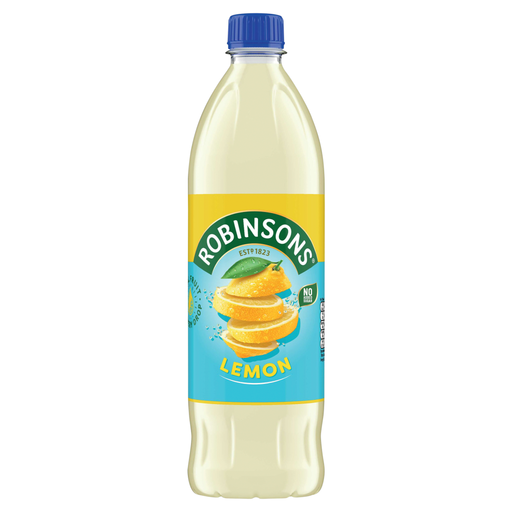
A lemon squash concentrate for mixing with water. Check the physical pack for its current ingredients, diluted nutrition values and preparation ratio before comparing it with other flavours.
 No image available
A pineapple and passion fruit concentrate for mixing in a refillable bottle. Use nutrition values for the prepared drink when comparing it with other options, and check the current pack for ingredients and dilution directions.
 No image available
A blackcurrant concentrate for a bottle you can refill with water. Follow its own dilution instruction and confirm that any nutrition values you compare refer to the diluted drink.
No. A no-added-sugar squash can still contain naturally occurring sugars: Waitrose & Partners says this on its Vimto No Added Sugar Squash listing. Check the sugars value for the diluted drink if that distinction matters to your choice.
Do not rely on no-added-sugar squash as exercise fuel. The British Dietetic Association says carbohydrate during hard exercise lasting more than an hour can enhance performance; plan any food or carbohydrate-containing fluids you need separately from a squash you pack for flavour.
Follow the directions on the particular bottle and add drinking water. For example, Waitrose & Partners lists 1 part Ribena Blackcurrant No Added Sugar Squash to at least 4 parts water; another product or strength may have different instructions.
Read the current pack’s full ingredients, allergen declaration and warnings before use. No-added-sugar varieties can use different sweeteners and preservatives, so a familiar brand name or front-of-pack claim is not enough to identify the recipe.