Adults choosing a breakfast drink
If you want squash with breakfast while paying attention to sugar, compare the nutrition for a diluted glass rather than relying on the front-of-pack wording.


For a flavoured drink alongside weekday breakfast, a no-added-sugar squash is an option; choose water if you do not want flavouring. A higher-juice squash may suit a preference for fruit-juice content, but no added sugar does not necessarily mean zero sugars, so compare the diluted serving and check the ingredients.
If you want squash with breakfast while paying attention to sugar, compare the nutrition for a diluted glass rather than relying on the front-of-pack wording.
Follow the bottle's dilution instructions and check any age-specific directions before serving squash to children. Read the current ingredients and allergen information for everyone who will drink it.
If fruit-juice content matters to you, compare its declared percentage alongside the sugars in the prepared drink. A no-added-sugar label alone does not answer both questions.
Start with the drink you want to prepare, then compare labels at the stated dilution rather than comparing concentrates with ready-to-drink figures.
| Priority | What to check | Your needs |
|---|---|---|
| Sugars and energy | Check the stated dilution ratio, serving size, energy and ‘of which sugars’ for the prepared drink. Tesco lists Robinsons Orange No Added Sugar at 3 kcal and 0g sugars per 250ml diluted serving. | I'd like a flavoured drink with breakfast and want to know what is in the glass I actually make. |
| Fruit-juice content | Read the juice percentage as well as diluted sugars. Sainsbury's labels its High Juice Orange as 50% fruit juice; its High Juice Blackcurrant lists 1.9g sugars per 250ml diluted serving. | Fruit-juice content matters to me, but I do not want to mistake ‘no added sugar’ for ‘no sugars’. |
| Ingredients and allergens | Read the current ingredients and allergen information for the exact bottle, including any sweeteners or sulphites declared. GOV.UK says food businesses must provide information when any of the 14 regulated allergens are ingredients. | Someone in my household needs to avoid a particular ingredient, so the exact product label matters more than the squash category. |
| Preparation | Follow that bottle's concentrate-to-water directions and any instructions for children. Tesco specifies one part Robinsons Orange concentrate to four parts water. | I want a quick drink I can prepare consistently, especially when more than one person serves it. |
A no-added-sugar squash can still contain sugars in the prepared drink: Sainsbury's lists 1.9g per 250ml diluted serving for its High Juice Blackcurrant.
Check the ‘of which sugars’ figure for the diluted serving, not just the claim on the front of the bottle.
Nutrition figures for undiluted concentrate and diluted squash describe different amounts of water and are not a like-for-like comparison.
Follow each bottle's dilution directions, then compare figures stated for prepared servings of the same size.
A sugar claim does not tell you whether a squash contains an ingredient you need to avoid.
Check the current bottle for sweeteners and declared allergens, particularly if sulphites are a concern.
These label details concern the named products, not every squash made by each brand.
The Orange No Added Sugar 1L concentrate is a standard fruit-flavoured squash option.
Its named High Juice Orange and Blackcurrant no-added-sugar squashes offer a higher-juice route.
The named range includes both a double-strength Orange Squash and a Pink Grapefruit High Juice squash.
The named No Added Sugar Squash is a mixed-fruit option.
These no-added-sugar concentrates offer orange, summer-fruit, tropical-fruit and lemon options for a flavoured drink alongside breakfast. Compare their current prepared-serving labels before choosing on sugars or energy.
 Image unavailable
For an orange squash alongside breakfast, Tesco lists 3 kcal and 0g sugars per 250ml diluted serving for this Robinsons Orange product, prepared one part concentrate to four parts water. Check the current bottle's ingredients and directions before serving.
 Image unavailable
A summer-fruit flavour if you want no-added-sugar squash with breakfast. Check the current bottle's dilution directions, prepared-serving sugars and energy, and ingredient declarations before comparing it with another option.
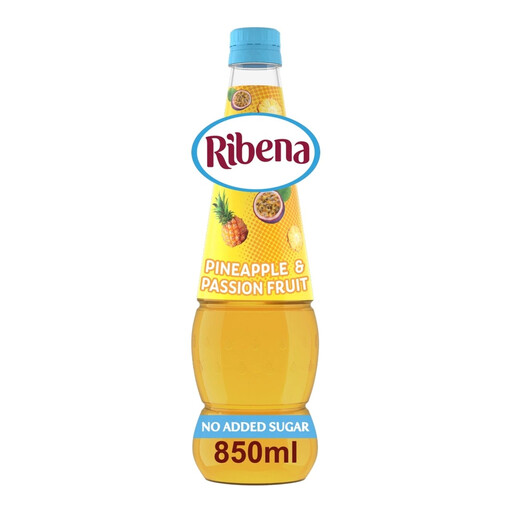 Image unavailable
A pineapple and passion-fruit option for a flavoured breakfast drink. Use the bottle's dilution directions and prepared-serving nutrition panel when comparing sugars or energy; check its ingredient and allergen declarations if these affect your choice.
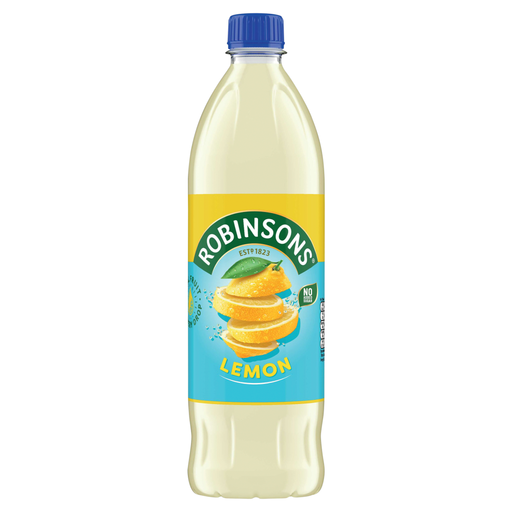 Image unavailable
A lemon squash for those who prefer a citrus-flavoured drink with breakfast. Check the current bottle for its ingredients, allergen declarations, dilution directions and prepared-serving nutrition before deciding whether it meets your needs.
No. Squash is a drink to have alongside breakfast, not a substitute for breakfast food. The NHS discusses diluted squash as a drink when giving hydration advice.
No. Read ‘of which sugars’ for the diluted serving: Sainsbury's lists 1.9g per 250ml for its no-added-sugar High Juice Blackcurrant, while Tesco lists 0g per 250ml for Robinsons Orange No Added Sugar. Follow each bottle's preparation directions when using those figures.
Compare the prepared drink at the stated dilution and serving size, then check sugars, energy, juice percentage and ingredients according to what matters to you. A figure for undiluted concentrate is not directly comparable with one for a diluted glass.
Yes. A no-added-sugar claim does not establish allergen suitability. GOV.UK says food businesses must provide information when any of the 14 regulated allergens are ingredients; read the current label for the exact squash, including any sulphite declaration relevant to you.