For children’s usual drinks, choose water or milk, as the NHS advises. If you are choosing squash for a half-term snack, compare the exact bottle’s dilution instructions and labelled servings: a single-strength option may suit occasional use, while a double-strength bottle makes more drinks only when mixed as directed. Check the current ingredients and warnings as well as the no-added-sugar claim.
Who is this for?
Families planning half-term snacks
If you want a flavoured drink option alongside snacks, start with the NHS advice that water and milk are children’s usual drinks. When choosing squash, check how it is mixed and what the current label says about ingredients.
Households comparing bottle formats
Labelled servings can be more useful than bottle volume when planning how much squash to buy. Waitrose & Partners lists 20 servings for Robinsons Orange single strength, compared with 70 for Robinsons Double Strength Orange and 60 for Waitrose Essential Summer Fruits, each prepared according to its own instructions.
Families checking particular ingredients
Sweeteners and warnings differ between products. Check the pack if someone in the household needs to avoid a particular ingredient or has a dietary requirement; the no-added-sugar wording does not tell you which sweeteners a squash contains.
What matters when choosing?
Decide when squash would be served, then compare preparation instructions and the ingredients on the particular bottle.
| Priority | What to check | Your needs |
|---|
| Role alongside usual drinks |
The NHS identifies water and milk as the usual drinks for children. Its guidance for bottles and trainer cups says to put only breast milk, formula milk or water in them. |
For everyday thirst, I can offer water or milk. If I choose squash for a snack, it does not need to become the drink served every time. |
| No-added-sugar wording |
Read the ingredients and nutrition information for the prepared drink. A no-added-sugar claim does not mean there are no naturally occurring sugars or sweeteners. |
I want to know what is in the drink, not rely on the claim on the front of the bottle. |
| Dilution and servings |
Compare the stated water-to-squash ratio and servings per bottle. Waitrose & Partners lists Robinsons Orange at 1:4 and 20 servings, Robinsons Double Strength Orange at 1:9 and 70, and Waitrose Essential Summer Fruits at a suggested 1:9 and 60. |
Will this bottle fit how often we make squash during half term? I also need mixing instructions that everyone preparing it can follow. |
| Ingredients and warnings |
Check the current pack for named sweeteners, sulphites and any phenylalanine warning. The Food Standards Agency notes that sulphites can trigger allergic reactions in sensitive individuals. |
If an ingredient matters in my household, I need to check this flavour and bottle rather than assume another no-added-sugar squash has the same formulation. |
Mistakes to avoid
-
Treating “no added sugar” as “sugar-free”
The wording does not rule out naturally occurring sugars from fruit ingredients or the use of sweeteners.
Check the ingredient list and nutrition information for the drink as prepared, particularly if you are comparing different flavours.
-
Choosing by bottle size alone
Concentrates have different mixing instructions. Waitrose & Partners lists 20 servings for Robinsons Orange single strength, versus 60 or 70 for the cited double-strength bottles when prepared as directed.
Compare the labelled serving count and dilution ratio for the exact bottle, then consider how often your household will use it.
-
Making squash the automatic snack-time drink
A no-added-sugar label does not change the NHS advice that water and milk are children’s usual drinks.
Keep water or milk available, and decide separately whether to offer a flavoured drink with a particular snack.
-
Overlooking a product-specific warning
Ingredient lists vary. The Ribena Blackcurrant No Added Sugar product listed by Waitrose & Partners includes aspartame and a phenylalanine warning; the Food Standards Agency also notes that sulphites can affect sensitive individuals.
Read the current pack before serving a product to someone with a relevant allergy or dietary requirement.
Brand and range references
These examples illustrate different flavours and formats; a brand name alone does not establish the ingredients of every product in its range.
Robinsons
Waitrose & Partners lists both a single-strength Orange No Added Sugar squash and a Double Strength Orange version.
- The listed single-strength Orange makes 20 servings at 1 part squash to 4 parts water; Double Strength Orange makes 70 at 1 part to 9 parts water.
- Both listed versions contain sweeteners. Check the current pack for the ingredients and instructions of the version you choose.
Waitrose Essential
Its listed No Added Sugar Summer Fruits Squash is a double-strength, 1.5-litre option.
- Waitrose & Partners lists 60 servings and suggests mixing 1 part squash with 9 parts water; the product description states 20% fruit.
- The fruit content does not replace checking the current ingredients, sweeteners and warnings.
Ribena
The Blackcurrant No Added Sugar squash listed by Waitrose & Partners offers a different flavour from the orange and summer-fruits examples.
- Its listed ingredients include blackcurrant juice from concentrate and the sweeteners aspartame and acesulfame K.
- The listing includes sodium bisulphite and a phenylalanine warning; check whether the current pack suits the person drinking it.
Tesco
Tesco Groceries lists own-label no-added-sugar quadruple-strength squash among its squash and cordial products.
- Listed flavours include Lemon, Apple & Blackcurrant, and Apple & Strawberry.
- Check the individual bottle for its dilution, servings and ingredients before comparing it with a single- or double-strength product.
No-added-sugar squash on Joybuy
These Joybuy options include individual orange and blackcurrant bottles and multi-bottle fruit-flavour packs. Compare the pack size first, then check the current label for mixing instructions and ingredients before serving.
 No image available
Robinsons Orange No Added Sugar Squash 1L
An individual orange bottle to consider for occasional mixing at home. The matching Robinsons Orange product listed by Waitrose & Partners states 20 servings at 1 part squash to 4 parts water; check the current bottle’s instructions and ingredients before use.
View on Joybuy
 No image available
Ribena Concentrated Blackcurrant No Added Sugar Squash 1.5L
A 1.5-litre blackcurrant option if that is the flavour your household wants. Check this bottle’s dilution instructions, ingredients and warnings before comparing its prepared servings with other formats.
View on Joybuy
 No image available
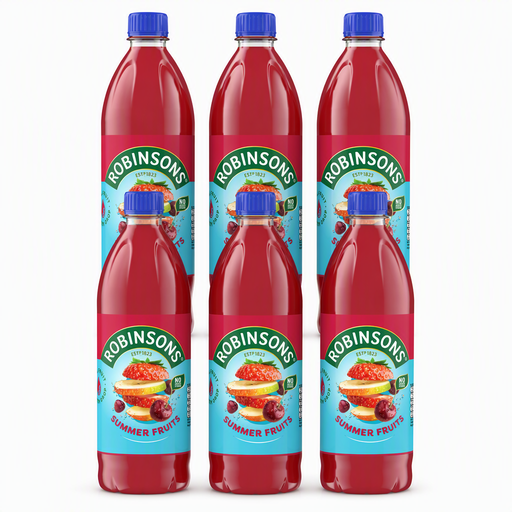
Robinsons Summer Fruits No Added Sugar Squash 6 × 1L
Six 1-litre bottles may suit a household planning to use the same summer-fruits flavour repeatedly. Check the dilution and storage instructions on each current bottle, as well as its ingredient warnings.
View on Joybuy
 No image available
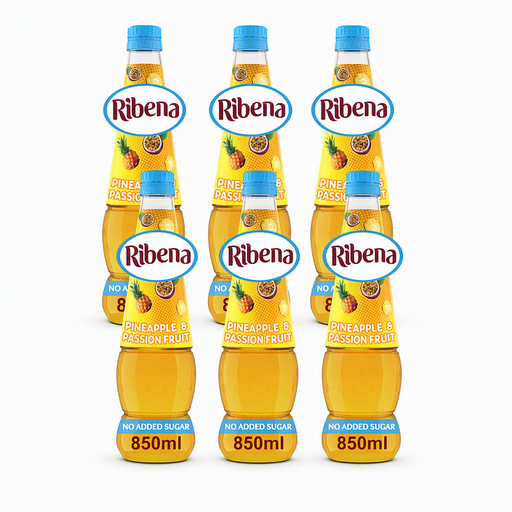
Ribena Pineapple and Passion Fruit No Added Sugar Squash 6 × 850ml
This six-bottle pack offers a pineapple and passion fruit flavour for planned repeat use. Check the current bottles for a mixing instruction and compare prepared servings, rather than pack volume alone.
View on Joybuy
 No image available
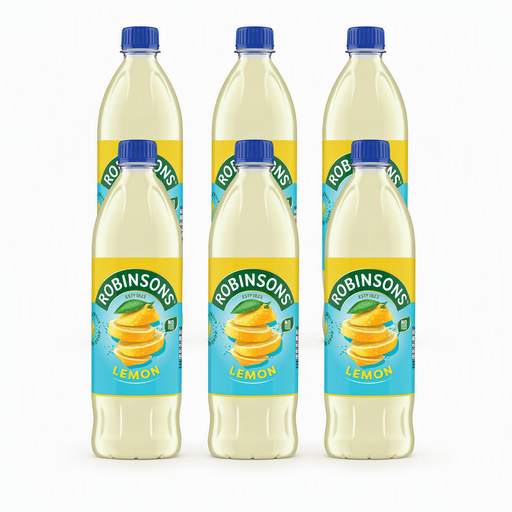
Robinsons Real Fruit Lemon Juice No Added Sugar Squash 6 × 1L
A six-pack of 1-litre lemon squash bottles for households considering a larger supply. Read the current bottle for its dilution, labelled servings and ingredient warnings before deciding how it fits your snack plans.
View on Joybuy
Common questions
Does “no added sugar” mean squash is sugar-free?
No. The no-added-sugar claim is different from a sugar-free claim: a squash can contain naturally occurring sugars from fruit ingredients and can use sweeteners. Read the ingredient list and the nutrition information for the prepared drink.
Should no-added-sugar squash be a child’s usual drink?
No. The NHS identifies water and milk as children’s usual drinks. If you are considering squash with a half-term snack, treat it as a separate flavoured option rather than a reason to replace water or milk throughout the day.
Can squash go in a baby bottle or trainer cup?
No. NHS guidance says to put only breast milk, formula milk or water in bottles and trainer cups.
Why compare dilution when choosing a bottle?
The mixing instruction determines how much concentrate goes into each drink and helps explain the labelled serving count. Waitrose & Partners lists Robinsons Orange single strength at 1 part squash to 4 parts water, while Robinsons Double Strength Orange is listed at 1 part to 9 parts water. Follow the instructions on the bottle you buy.
Which ingredient warnings need checking?
Check the current pack for sweeteners, sulphites and any product-specific warning. The Ribena Blackcurrant No Added Sugar listing from Waitrose & Partners includes aspartame and a phenylalanine warning; the Food Standards Agency notes that sulphites can trigger allergic reactions in sensitive individuals.


