Parents planning an after-school drink
For households considering a no-added-sugar squash alongside the water and milk that the NHS recommends as children’s main drinks.


For an after-school flavoured drink, choose a squash labelled no added sugar only after checking its ingredients, nutrition for the diluted drink and mixing instructions. Water and milk remain the NHS’s preferred main drinks for children; for occasional squash, a higher-yield concentrate suits households that will measure it consistently, while a single-strength bottle may be simpler to prepare.
For households considering a no-added-sugar squash alongside the water and milk that the NHS recommends as children’s main drinks.
For families comparing mixing instructions and stated servings, especially when deciding whether a more concentrated bottle fits their routine.
For anyone who needs to check sweeteners, sulphites or other ingredients rather than relying on the no-added-sugar wording alone.
Start with the prepared drink and its ingredients, then choose a bottle strength you can measure and use as directed.
| Priority | What to check | Your needs |
|---|---|---|
| No-added-sugar claim | Confirm the claim on the exact flavour and pack. Read sugars per 100 ml or per serving of the diluted drink; no added sugar does not mean sugar-free. | I want a flavoured after-school drink without assuming that the front-of-pack claim tells me everything about its sugar content. |
| Ingredients | Check the current ingredients and allergy advice for sweeteners and sulphites. Compare the exact variant, as formulas can differ. | Someone in my household needs to avoid an ingredient, or I want to know which sweeteners are used. |
| Dilution and yield | Follow the bottle’s mixing ratio and compare its stated servings, not just its volume. Waitrose & Partners lists 1:4 dilution and 20 servings for Robinsons Orange, against 1:9 and 40 servings for Robinsons Double Strength Summer Fruits. | We use squash often enough for bottle yield to matter, and can measure the concentrate each time. |
| Everyday drinks | Keep water and milk available as children’s main drinks, as the NHS advises. If serving squash, follow its dilution instructions rather than making a stronger drink by habit. | I would like a flavoured choice after school without making squash the automatic drink throughout the day. |
| Storage | Read the exact bottle’s instructions after opening. The reviewed Robinsons Orange and Double Strength Summer Fruits products advise using them within four weeks for their stated taste guidance. | We only use squash occasionally, so a large or higher-yield bottle may last longer than its post-opening guidance suggests. |
The reviewed squashes contain sweeteners, and some list naturally occurring sugars in the prepared drink. Several also list sodium metabisulphite.
Check the ingredients, allergy advice and diluted nutrition for the flavour and pack you intend to buy.
A 1 L bottle does not always make the same number of drinks: Waitrose & Partners lists 20 servings for Robinsons Orange and 40 for Robinsons Double Strength Summer Fruits, with different mixing ratios.
Compare stated servings and nutrition on the diluted basis, then use each product’s own mixing instructions.
The NHS recommends water and milk as children’s main drinks. A no-added-sugar claim does not change that distinction.
Keep water available after school and use diluted squash when a flavoured option is wanted.
A higher-yield bottle still needs to be diluted correctly and used in line with its post-opening instructions.
Match the stated servings and storage guidance to how often your household makes squash.
An opened bottle left beyond its recommended use period may result in unused concentrate being thrown away.
These examples describe particular products or ranges, not every squash made by each brand.
The reviewed Orange and Double Strength Summer Fruits products offer different dilution ratios and stated serving counts.
The reviewed No Added Sugar Summer Fruits Squash is a 1.5 L option with 60 stated servings and suggested 1:9 dilution.
The reviewed No Added Sugar Squash offers a mixed-fruit flavour and is labelled by the brand as a source of vitamins C and D.
Tesco Groceries lists own-label no-added-sugar quadruple-strength squash variants, including Lemon and Apple & Blackcurrant.
These no-added-sugar fruit squashes offer different flavours and bottle sizes for a diluted after-school drink. Compare each product’s current label before deciding how it fits your household.
 No image available
An orange squash option for households that prefer single-strength mixing. Waitrose & Partners lists 1 part squash to 4 parts water and 20 servings for this product. Check the current ingredients and allergy advice for sweeteners and sulphites.
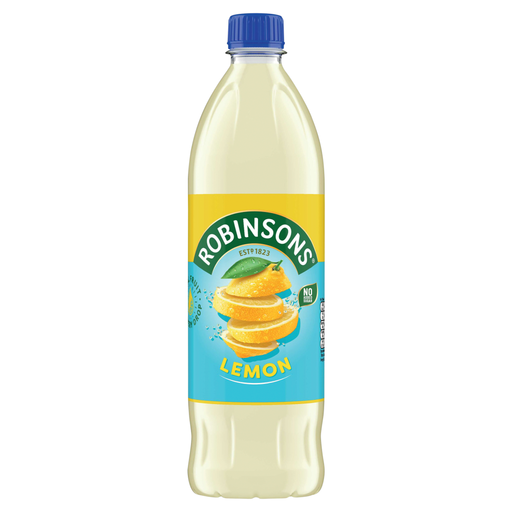 No image available
A lemon-flavoured choice if your household prefers citrus to orange or summer fruits. Check the pack’s dilution and serving instructions before comparing its yield with other bottles, and read the ingredients and allergy advice for sweeteners and sulphites.
 No image available
A blackcurrant concentrate for households wanting that flavour in a 1.5 L bottle. Follow the pack’s mixing instructions and check its prepared-drink nutrition before comparing it with other squashes. The product information advises against use for children under 3 and lists sweeteners and sodium bisulphite.
 No image available
A higher-yield summer-fruit option for households that use squash regularly and can measure each drink. Waitrose & Partners lists 1 part concentrate to 9 parts water and 40 servings for the reviewed double-strength product. Check the current pack’s ingredients, allergy advice and storage instructions.
 No image available
A pineapple-and-passion-fruit choice in an 850 ml bottle. Check the pack for mixing guidance and nutrition for the prepared drink. The listed ingredients include aspartame, acesulfame K and sulphites, and the product information carries a phenylalanine notice.
No. A squash can carry a no-added-sugar claim and still contain naturally occurring sugars. Check the sugars value for the drink as prepared, alongside its ingredients.
The NHS recommends water and milk as children’s main drinks. If you offer no-added-sugar squash as a flavoured option, follow the bottle’s dilution instructions rather than treating it as a replacement for those main drinks.
Compare their stated servings, mixing ratios and nutrition for the diluted drink. Waitrose & Partners lists Robinsons Orange at 20 servings with 1:4 dilution and Robinsons Double Strength Summer Fruits at 40 servings with 1:9 dilution; bottle volume alone misses that difference.
Yes. The reviewed no-added-sugar products include sweeteners, and several list sodium metabisulphite. Read the current ingredients and allergy advice for the exact flavour, particularly if someone needs to avoid an ingredient.
Follow that bottle’s storage instructions. The reviewed Robinsons Orange and Double Strength Summer Fruits products say they taste best when used within four weeks of opening; do not assume the same guidance applies to another squash.