People swapping a sugary TV-night drink
A no-added-sugar cordial or squash offers a fruit-flavoured alternative. Check sugars in the drink as prepared: the claim does not mean the finished glass contains none.


For a fruit-flavoured drink alongside TV-night snacks, choose a no-added-sugar cordial or squash by the exact bottle’s ingredients, flavour and dilution instructions; choose water if you do not want a flavoured drink. “No added sugar” does not mean zero sugars, so compare the sugars in the prepared drink rather than relying on the front-of-pack claim alone.
The useful starting point is whether you want a flavoured concentrate at all, then which label details matter for the drinks you make at home.
A no-added-sugar cordial or squash offers a fruit-flavoured alternative. Check sugars in the drink as prepared: the claim does not mean the finished glass contains none.
If you have an ingredient preference, read the list on the exact bottle. No-added-sugar concentrates can contain sweeteners, and their ingredients differ.
Dilution instructions help you make each glass consistently. Storage and use-within directions also matter if a bottle will be opened only occasionally.
Pick the drink type and flavour you want, then compare labels using the same prepared-drink basis.
| Priority | What to check | Your needs |
|---|---|---|
| Sugars as served | Check the no-added-sugar claim on the exact bottle, then read sugars per 100ml or per serving as prepared. Use the same dilution basis when comparing drinks. | I want a fruit-flavoured option without mistaking “no added sugar” for “sugar-free”. The Advertising Standards Authority and Committee of Advertising Practice explain that the claim concerns sugars or foods used for sweetening that have been added; fruit ingredients can still contribute sugars. |
| Ingredients | Read the ingredient list for sweeteners and any ingredients you wish to avoid. Do not assume products with the same front-of-pack claim have the same recipe. | Knowing which sweeteners are in my drink matters more to me than choosing by the sugar claim alone. |
| Dilution and storage | Follow the bottle’s mixing directions. Check whether nutrition is stated for concentrate or the diluted drink, along with refrigeration and use-within instructions. | I want to make a glass at the strength I prefer and choose a bottle I can use according to its storage directions. |
| Flavour or water | Decide whether a fruit-flavoured concentrate suits the evening or whether you would rather have water. If choosing a concentrate, check the specific flavour and range. | Some evenings I want a flavoured drink with snacks; on others, I would rather skip flavour and sweeteners altogether. |
Fruit ingredients can contribute naturally occurring sugars to a no-added-sugar drink. The front-of-pack wording alone will not tell you the sugars in your glass.
Compare the sugars line for drinks prepared according to their respective dilution instructions. Waitrose & Partners lists 1.1g sugars per 100ml diluted 1:6 for its Belvoir Cherries & Berries no-added-sugar cordial listing.
Robinsons distinguishes its core squash range from its classic Barley Waters and Fruit Cordials, which the brand says contain added sugar.
Check the full name and claim on the bottle you intend to buy, not just the brand or the shelf category.
A no-added-sugar claim does not identify which sweeteners or other ingredients a particular drink contains.
Read the exact product’s ingredients if sweeteners, preservatives or other listed ingredients affect your choice.
Concentrates can have different mixing and post-opening instructions, so bottles of similar size need not fit the same pattern of use.
Check the stated dilution ratio and storage directions, particularly if you make these drinks only on occasional TV nights.
These brand and retailer examples show why the exact range matters; a brand name alone does not establish a no-added-sugar claim.
Robinsons says it removed added sugars from its core squash range.
Tesco Groceries lists own-label no-added-sugar quadruple-strength squash in several flavours.
Sainsbury's lists a Lime Cordial No Added Sugar 1L.
Asda identifies a No Added Sugar 50% Fruit Apple & Elderflower High Juice product.
M&S describes its cordials as drinks to dilute with still or sparkling water.
Waitrose & Partners lists own-label no-added-sugar high juice alongside branded no-added-sugar squash.
These are fruit-flavoured concentrates for making drinks at home, chiefly squash options. Check each bottle’s claim, ingredients and preparation directions before choosing one for TV nights.
 No image available
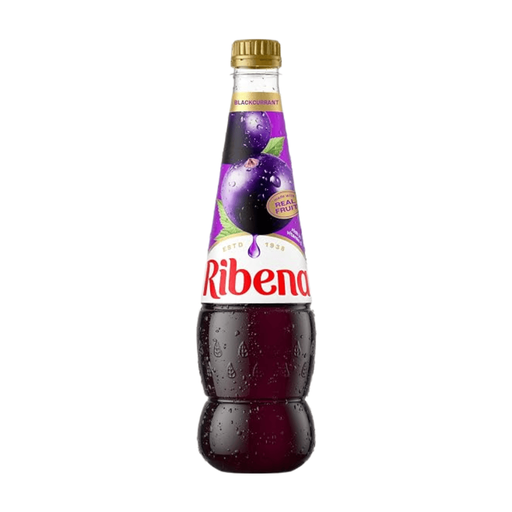
An 850ml blackcurrant concentrate to consider if you want to mix drinks at home. Check the bottle for its no-added-sugar claim, ingredients, dilution directions and sugars as served.
 No image available
A 1.5L no-added-sugar blackcurrant concentrate for home dilution. Follow its mixing and storage instructions, and compare sugars using the prepared-drink values on the pack.
 No image available
An 850ml pineapple and passion fruit option if you prefer those flavours to blackcurrant. Check the pack’s dilution directions and prepared-drink sugars when comparing it with another squash.
 No image available
A 1L orange squash for making fruit-flavoured drinks at home. Read its ingredient list and follow the pack’s dilution instructions when using its prepared-drink nutrition values.
 No image available
A 1L summer-fruits alternative to the orange squash. Check the bottle for its mixing, storage and sugars-as-served information if you plan to keep it open across several TV nights.
No. The Advertising Standards Authority and Committee of Advertising Practice explain that the claim concerns sugars or foods used for sweetening that have been added. Fruit ingredients can still contribute sugars, so check the nutrition panel for the drink as prepared.
Yes, if you want a flavoured replacement. The NHS identifies no-added-sugar drinks as an option when swapping sugary drinks; water is also an option when you do not want flavour.
Compare sugars and other nutrition information on the same prepared-drink basis, then check each product’s dilution directions and ingredients. A value for undiluted concentrate is not directly comparable with one for a diluted glass.
Some do. Read the exact ingredient list if a particular sweetener matters to you; the no-added-sugar wording does not identify which sweeteners a drink uses.
Follow that bottle’s refrigeration and use-within instructions. These directions can differ between concentrates, so check them before choosing a larger bottle for occasional use.