Hosts serving different preferences
Offer pure orange juice and a separately labelled diluted drink when guests may want different ingredients and sugar amounts. Do not present them as the same type of drink.


Offer 100% orange juice if guests want pure juice, but do not mistake its lack of added sugar for zero sugar: the NHS counts naturally occurring juice sugars as free sugars. For guests seeking a lower-sugar orange drink, consider a no-added-sugar squash prepared as directed, and check its sugars, sweeteners and other ingredients. Label the two drinks separately rather than treating them as interchangeable.
Offer pure orange juice and a separately labelled diluted drink when guests may want different ingredients and sugar amounts. Do not present them as the same type of drink.
Compare the sugars figure for the portion actually served. The NHS says naturally occurring sugars in unsweetened fruit juice still count as free sugars.
A 100% orange juice with orange juice as its sole ingredient offers a different choice from a squash containing sweeteners. Pure juice still contains naturally occurring sugars.
Decide whether the drink needs to be pure juice, diluted squash or a ready-to-serve alternative, then compare labels on the basis of the portion you will serve.
| Priority | What to check | Your needs |
|---|---|---|
| Sugars | Read ‘of which sugars’ and its stated serving size. The NHS counts naturally occurring sugars in unsweetened juice as free sugars; ‘no added sugar’ does not mean zero sugar. | I want guests to know how much sugar is in the glass they are offered, not just what the front label says. |
| Ingredients | Check whether the drink is 100% juice or contains sweeteners. Read the exact pack for declared ingredients such as sulphites. | Some guests may prefer juice as the sole ingredient; others may choose a different orange drink after checking its ingredients. |
| Preparation | For squash, follow the pack’s dilution directions and use the nutrition figure for the prepared drink. Do not compare concentrate with ready-to-drink juice as though both figures describe a poured glass. | If I am mixing a jug for the party, I need to know what goes into each prepared serving. |
| Serving and storage | Choose a glass size for juice, and check the exact product’s refrigeration and after-opening instructions before setting drinks out. | I need a way to serve drinks outdoors without leaving opened juice out throughout the event. |
Unsweetened juice can contain naturally occurring sugars, which the NHS counts as free sugars.
Check ‘of which sugars’ for the serving you plan to pour, and identify whether the drink is pure juice or a juice drink.
Sugar figures for the checked Tesco and ASDA high-juice drinks refer to the prepared drinks. The undiluted concentrate is not the serving guests will drink.
Dilute squash as directed and compare nutrition information using the stated prepared serving sizes.
The checked Tesco and ASDA high-juice drinks contain sweeteners; the ASDA product also declares sulphur dioxide or sulphites.
Keep the product labels available, and offer water and pure juice as distinct choices.
After-opening instructions differ: Tesco Groceries lists four days for Innocent Smooth Orange Juice, while Marks & Spencer lists 24 hours for its Smooth Orange Juice, with refrigeration required in each case.
Put out smaller amounts at a time and follow the storage instructions on the exact pack.
These examples show how particular product lines differ; a brand name alone does not establish a drink’s ingredients or sugars figure.
Tropicana describes Smooth Orange as 100% pure pressed juice, not from concentrate.
The Innocent Smooth Orange Juice listing at Tesco Groceries describes it as 100% orange juice with nothing else added.
Tesco No Added Sugar High Juice Orange is a concentrated orange drink with sweeteners, rather than 100% juice.
The checked ASDA products offer two distinct choices: Smooth Orange Juice and 50% Fruit No Added Sugar High Juice Orange.
Marks & Spencer describes its Smooth Orange Juice as not from concentrate.
These options cover a dilutable orange squash and ready-to-serve orange drinks for the party. Check each pack’s sugars and ingredients against the preferences of the guests you are serving.
 No image available
A dilutable option if you plan to prepare orange drinks in a jug. Do not serve it undiluted; check the pack for its mixing directions and sugars per prepared serving. It contains sweeteners and sulphites.
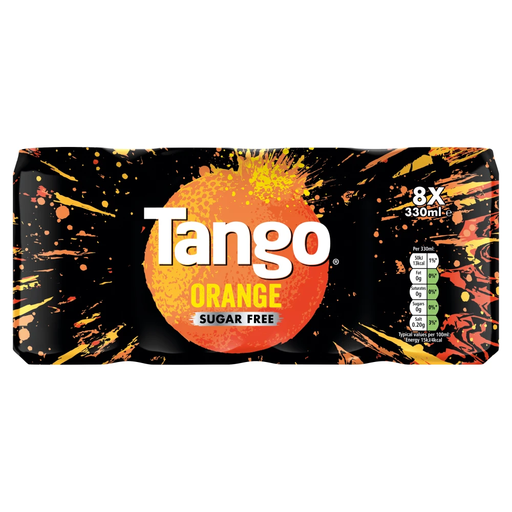 No image available
Eight ready-to-serve cans suit a party where mixing squash is inconvenient. This is a carbonated soft drink containing sweeteners, not pure orange juice; handle the pressurised cans with care.
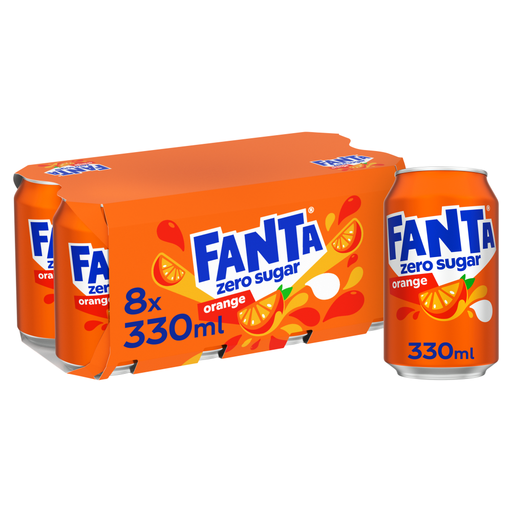 No image available
Eight individual cans provide a ready-to-serve orange-flavoured option. It is a carbonated drink with sweeteners, not pure juice. If zero sugar matters, check the current pack’s sugars figure rather than relying on the product name.
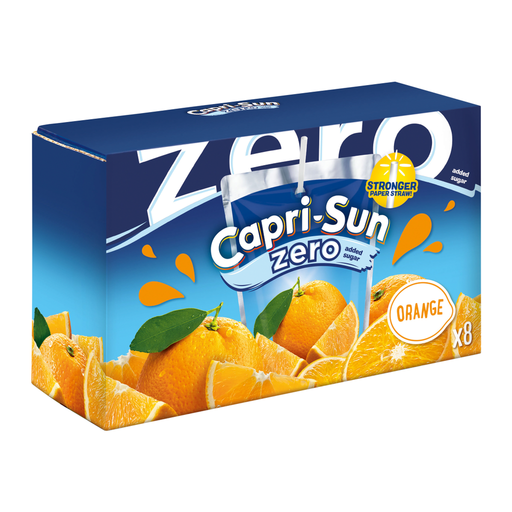 No image available
Eight individual pouches offer measured portions without mixing. Check the current pack’s sugars figure rather than assuming the name means 0g. The straw presents a choking hazard, and the product information says it is unsuitable for children under 3.
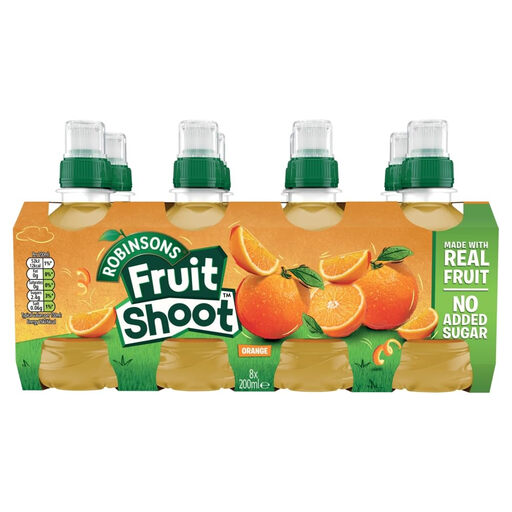 No image available
Eight individual bottles are an alternative to pouring drinks into glasses. This orange drink contains sweeteners; its bottle caps carry a small-parts warning, and the product information says it is unsuitable for children under 36 months.
No. The NHS says naturally occurring sugars in unsweetened fruit juice count as free sugars. Check ‘of which sugars’ on the exact pack rather than treating a no-added-sugar claim as a zero-sugar claim.
A small 150ml glass is a practical way to offer a defined juice portion. The NHS counts the naturally occurring sugars in unsweetened juice as free sugars, so check the pack’s sugars figure for the amount you pour.
No. The checked Tesco and ASDA high-juice products are concentrated drinks containing sweeteners and intended for dilution, whereas 100% orange juice is a different product. Compare their labels using the squash’s prepared-drink serving.
Read the exact pack’s ingredient and allergen information before serving it. ASDA Groceries declares sulphur dioxide or sulphites for its 50% Fruit No Added Sugar High Juice Orange; its Smooth Orange Juice lists orange juice as the ingredient.
Check each pack’s storage and after-opening directions, then put out smaller amounts as needed. Tesco Groceries says Innocent Smooth Orange Juice requires refrigeration at 0–8°C and should be drunk within four days of opening; Marks & Spencer says to refrigerate its Smooth Orange Juice after opening and drink it within 24 hours.