People who want cola after a routine workout
A no-sugar cola can be a choice for flavour when you are not relying on the drink to provide carbohydrate or protein.


Choose a no-sugar cola after exercise if you want it for flavour, not as a replacement for recovery food and fluids. Coca-Cola GB and PepsiCo UK list 0g carbohydrate and 0g protein per 100ml for their standard Zero Sugar and Pepsi Max colas; after intense or prolonged exercise, the UK Sports Institute advises fluids and a carbohydrate- and protein-rich snack, followed by a meal. If you want cola after evening training but avoid caffeine, check for a specifically caffeine-free version.
A no-sugar cola can be a choice for flavour when you are not relying on the drink to provide carbohydrate or protein.
A specifically caffeine-free cola is worth checking if you want cola after late training but prefer not to have caffeine near bedtime. Cambridge University Hospitals notes that caffeine can remain in the system for several hours.
After intense or prolonged exercise, the UK Sports Institute advises plenty of fluids and a carbohydrate- and protein-rich snack, followed by a meal within two hours. A no-sugar cola does not take the place of that food.
Start with what the session calls for, then decide whether cola is simply a drink you want alongside food and fluids; check caffeine and the exact pack label before choosing a variety.
| Priority | What to check | Your needs |
|---|---|---|
| Recovery food | Check carbohydrate and protein per 100ml rather than assuming a no-sugar drink provides either. Coca-Cola GB and PepsiCo UK list 0g of both per 100ml for standard Coca-Cola Zero Sugar and Pepsi Max. | After an intense or prolonged session, I need food as well as a drink. The UK Sports Institute advises a carbohydrate- and protein-rich snack soon after that kind of exercise, followed by a meal. |
| Fluids | Consider what you will drink alongside your post-exercise food. The UK Sports Institute advises plenty of fluids after intense or prolonged exercise. | If I have had a demanding session, I want to plan my fluids rather than count on a cola alone as my recovery plan. |
| Sugar content | Read the sugars and carbohydrate figures on the exact pack. A zero-sugar label does not tell you whether the drink supplies other recovery nutrients. | I may want cola for its flavour without choosing a sugary variety, while getting any needed post-exercise food separately. |
| Caffeine | Check the product name and ingredients: standard Coca-Cola Zero Sugar and Pepsi Max list caffeine, while their named caffeine-free variants are presented without it. | When I exercise late, I prefer a confirmed caffeine-free variety if I am avoiding caffeine near bedtime. Cambridge University Hospitals notes that excess caffeine can disrupt sleep later in the night. |
| Ingredients | Read the ingredient list and any phenylalanine statement on the exact flavour and pack. The cited Coca-Cola Zero Sugar and Pepsi Max varieties contain sweeteners and carry a source-of-phenylalanine statement. | I check the particular pack when its sweeteners or phenylalanine declaration matter to my dietary choices. |
Standard Coca-Cola Zero Sugar and Pepsi Max list 0g carbohydrate and 0g protein per 100ml, according to their manufacturers. Those drinks therefore do not supply the carbohydrate and protein in the post-exercise snack advised by the UK Sports Institute for intense or prolonged exercise.
Plan food and fluids for that kind of session. Have cola as an optional drink if you want it, rather than using it in place of the snack or meal.
Standard Coca-Cola Zero Sugar and Pepsi Max list caffeine, whereas Coca-Cola Zero Sugar Caffeine Free and Pepsi Max No Caffeine are named caffeine-free alternatives. Cambridge University Hospitals notes that caffeine can persist for several hours.
If you avoid caffeine after evening training, check the full product name and ingredient list rather than relying on the sugar claim.
A brand name or retailer category does not establish the nutrition and ingredients of every flavour or own-label product.
Check sugars, carbohydrate, caffeine and any phenylalanine statement on the exact pack you intend to drink.
These examples help distinguish caffeine and nutrition labels; they do not imply that every variety is among the Joybuy products below.
Coca-Cola GB provides product information for both Coca-Cola Zero Sugar and Coca-Cola Zero Sugar Caffeine Free.
PepsiCo UK identifies Pepsi Max and Pepsi Max No Caffeine as distinct no-sugar cola varieties.
Tesco Groceries lists Tesco Xero Cola alongside branded sugar-free colas in its cola category.
These cola multipacks include caffeine-free choices and standard caffeinated zero-sugar varieties. They are options for choosing a cola after exercise, not replacements for post-exercise food and fluids when those are needed.
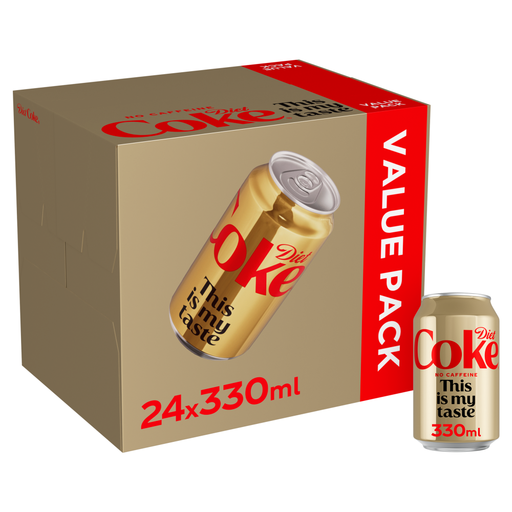 No image available
The No Caffeine variety is an option if you want cola after evening exercise while avoiding caffeine. Check the exact pack for its sugar, carbohydrate and ingredient information, and plan food and fluids separately after a demanding session.
 No image available
This caffeine-free variety suits a cola choice after training when you prefer to avoid caffeine. PepsiCo UK lists 0g sugars and less than 0.1g each of carbohydrate and protein per 100ml for its Pepsi Max No Caffeine formulation, so arrange food and fluids separately when recovery nutrition is the priority.
 No image available
This is a cola choice when caffeine is suitable for you; PepsiCo UK lists caffeine among its ingredients. Its nutrition information gives 0g sugars, carbohydrate and protein per 100ml, so it does not supply the carbohydrate and protein advised by the UK Sports Institute after intense or prolonged exercise.
 No image available
Choose this standard variety for cola flavour when you are comfortable with caffeine: Coca-Cola GB lists caffeine flavouring in its ingredients. It also lists 0g sugars, carbohydrate and protein per 100ml; after demanding exercise, plan any needed food and fluids separately.
No-sugar cola does not replace the carbohydrate- and protein-rich food advised by the UK Sports Institute after intense or prolonged exercise. The Institute advises plenty of fluids and a snack as soon as possible, followed by a meal within two hours; manufacturer information lists 0g carbohydrate and protein per 100ml for standard Coca-Cola Zero Sugar and Pepsi Max.
Choose a clearly labelled caffeine-free variety if you want cola but avoid caffeine after a late session. Coca-Cola Zero Sugar Caffeine Free and Pepsi Max No Caffeine are distinct from their caffeinated standard varieties. Cambridge University Hospitals notes that caffeine can remain in the system for several hours and may disrupt sleep if consumed in excess.
No. Read the nutrition panel rather than treating a sugar claim as a recovery claim. Coca-Cola GB and PepsiCo UK list 0g carbohydrate and 0g protein per 100ml for standard Coca-Cola Zero Sugar and Pepsi Max, so neither supplies those nutrients for post-exercise refuelling.
Read the statement on the exact pack. The cited Coca-Cola Zero Sugar and Pepsi Max varieties, including their named caffeine-free alternatives, state that they contain a source of phenylalanine. Check the particular flavour and pack rather than assuming every cola has the same ingredients.