Who is this choice for?
The useful distinction is whether you want cola as a drink you enjoy or need carbohydrate during exercise.
Marathon trainees choosing a no-sugar cola
If you enjoy cola during everyday training, check its nutrition panel without counting a zero-carbohydrate version towards your long-run fuel. World Athletics’ endurance guidance concerns carbohydrate intake during longer events, which needs its own plan.
Runners avoiding caffeine
A no-sugar label does not tell you whether a cola contains caffeine. Coca-Cola Great Britain and Pepsi UK identify separate caffeine-free versions of Coca-Cola Zero Sugar and Pepsi MAX; check the exact pack name when choosing.
Buyers checking particular ingredients
If a sweetener or phenylalanine warning matters to you, read the ingredient list on the pack you buy. Tesco and Sainsbury’s both caution that ingredients and nutrition information can change.
What should you check before buying?
Decide what will provide carbohydrate during long sessions first. Then choose a cola by its sugar, caffeine and ingredient labels.
No-added-sugar cola
Choose when: You want cola flavour as refreshment and have arranged any running fuel separately.
Trade-off: The zero-carbohydrate Coca-Cola Zero Sugar and Pepsi MAX products described by their brands cannot provide carbohydrate for a long run.
A carbohydrate source
Choose when: Your long-run plan calls for carbohydrate during exercise, whether from a suitable drink, gels or food.
Trade-off: Work out the amount and format that fit your session and practise using them in training; a cola chosen for flavour does not answer that need.
| Priority |
What to check |
Your needs |
| Long-run fuel |
Read carbohydrate per serving on the exact product. World Athletics gives 30–60 g per hour for endurance events lasting 1–2.5 hours and up to 90 g per hour for events over 2.5 hours; use its guidance in the context of your own plan. |
For a long session, I need to account for carbohydrate separately rather than assume a no-sugar cola will supply it. |
| Cola and sugar |
Compare both sugars and carbohydrate on the nutrition panel. Coca-Cola Great Britain lists 0 g of each for Coca-Cola Zero Sugar, and Pepsi UK lists 0 g of each per 330 ml can of Pepsi MAX. Check the figures on the pack you choose. |
I want cola flavour without using the drink as my running fuel. |
| Caffeine |
Look for an explicit caffeine-free name. The standard Coca-Cola Zero Sugar and Pepsi MAX ingredient information lists caffeine, while their brands identify separate caffeine-free versions. |
If caffeine does not fit my routine, I want to know that the particular cola I pick is caffeine-free. |
| Ingredients |
Read the current ingredient list and any phenylalanine warning, particularly if you have an ingredient-specific requirement. Do not assume two zero-sugar variants use the same recipe. |
I need the exact pack, rather than just the front-of-pack sugar claim, to match my requirements. |
| Drinking during runs |
Consider whether you want a carbonated drink during exercise and try any intended race-day drink in training. The NHS notes that carbonated drinks are associated with dental erosion because of their acid content, with or without sugar. |
I would rather find out during training whether fizzy cola fits my routine than rely on it for the first time during an event. |
Relevant cola brands
These brand and retailer examples help distinguish published nutrition information and caffeine options; they do not establish that every variant has the same recipe.
Coca-Cola
Coca-Cola Great Britain publishes nutrition information for Coca-Cola Zero Sugar and identifies a separate caffeine-free version.
- Coca-Cola Zero Sugar is listed with 0 g carbohydrate and 0 g sugars.
- Check the exact variant if caffeine avoidance matters; the standard product’s ingredient information lists caffeine flavouring.
Pepsi
Pepsi UK publishes a nutrition panel for Pepsi MAX and identifies Pepsi MAX No Caffeine as a separate no-sugar option.
- Pepsi MAX lists 0 g carbohydrate and 0 g sugars per 330 ml can.
- Standard Pepsi MAX lists caffeine; choose the explicitly caffeine-free variant if that distinction matters.
Tesco
Tesco describes its Diet Cola as a no-added-sugar own-label option.
- Tesco lists less than 0.1 g available carbohydrate per 100 ml for its Diet Cola.
- Tesco cautions that recipes and nutrition information can change, so check the bottle label.
Sainsbury's
Sainsbury’s describes Cola Zero as a low-calorie cola with sweeteners.
- Its published figure is less than 0.5 g carbohydrate per 100 ml.
- Sainsbury’s advises reading the label because ingredients can change.
Cola options at Joybuy
These cola packs are choices to consider for refreshment alongside a separate long-run fuelling plan. The selection includes a caffeine-free option; check each pack’s nutrition and ingredients against what you need.
 Image unavailable
Pepsi MAX Caffeine Free 24 × 330 ml
Consider this pack if caffeine avoidance is part of your cola choice; it is not a substitute for planned long-run fuel.
Check the pack’s carbohydrate figure, sweeteners and any phenylalanine warning against your requirements.
View at Joybuy
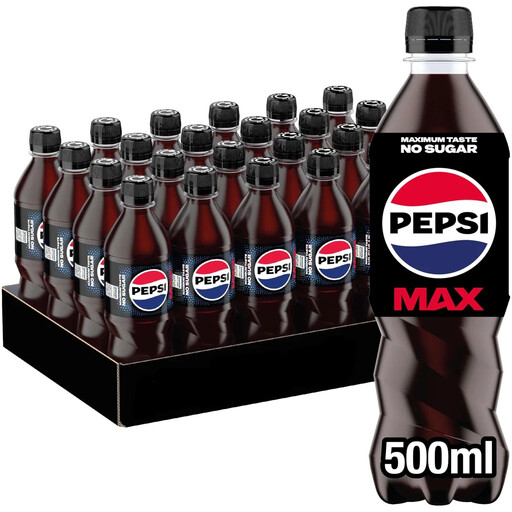 Image unavailable
Pepsi MAX 24 × 550 ml
This bottled cola is a refreshment choice when carbohydrate for a long run is covered separately.
Standard Pepsi MAX lists caffeine in Pepsi UK’s ingredient information. Check the nutrition and ingredient details on this pack.
View at Joybuy
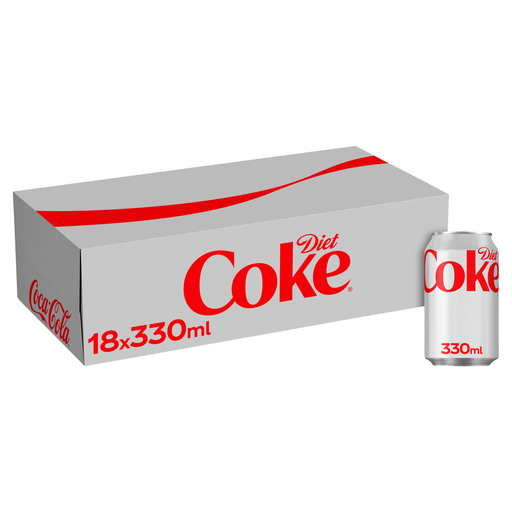 Image unavailable
Diet Coke 18 × 330 ml
If you prefer Diet Coke, assess it as a cola choice rather than assuming it will provide your running fuel.
Read this pack’s carbohydrate, caffeine and sweetener information before fitting it into your routine.
View at Joybuy
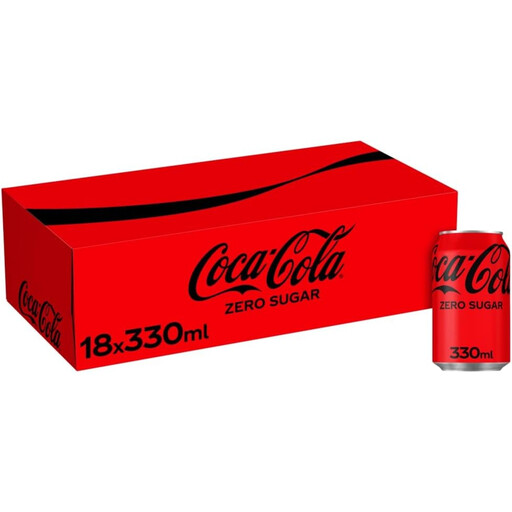 Image unavailable
Coca-Cola Zero Sugar 18 × 330 ml
Choose this cola for flavour preferences, with any long-run carbohydrate planned separately.
Coca-Cola Great Britain lists 0 g carbohydrate and 0 g sugars for Coca-Cola Zero Sugar. Its standard version lists caffeine flavouring; check this pack if caffeine or particular ingredients matter to you.
View at Joybuy
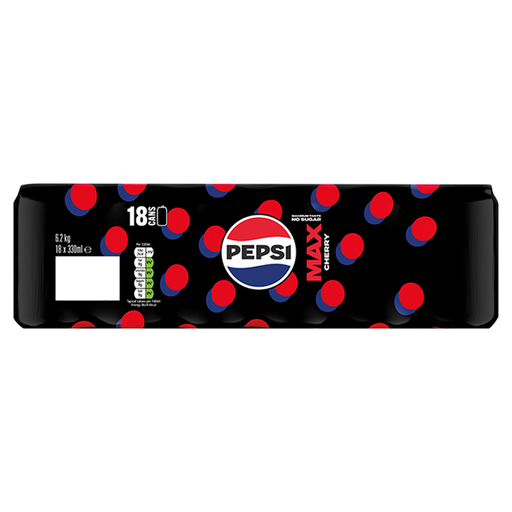 Image unavailable
Pepsi MAX Cherry 18 × 330 ml
This cherry-flavoured cola is another refreshment option, not a replacement for planned carbohydrate during long sessions.
Check the Cherry variant’s own nutrition and ingredient label rather than assuming it matches standard Pepsi MAX.
View at Joybuy
Questions about cola and long-run fuel
Can no-added-sugar cola fuel a marathon or long training run?
Do not rely on a zero-carbohydrate cola for carbohydrate fuel. Coca-Cola Great Britain and Pepsi UK list 0 g carbohydrate for Coca-Cola Zero Sugar and Pepsi MAX respectively; World Athletics gives guidance of 30–60 g carbohydrate per hour for endurance events lasting 1–2.5 hours and up to 90 g per hour for events over 2.5 hours. Plan a separate carbohydrate source when your session requires one.
Would a carbohydrate sports drink serve a different purpose?
Yes. The Australian Institute of Sport describes sports drinks as designed to provide carbohydrate and fluid together, unlike the zero-carbohydrate colas described here. If a drink is part of your long-run fuel plan, check its carbohydrate content and practise using it in training; gels or food may also be part of a separately planned approach.
Which no-sugar colas have caffeine-free versions?
Coca-Cola Great Britain identifies Coca-Cola Zero Sugar Caffeine Free, and Pepsi UK identifies Pepsi MAX No Caffeine. Check the exact pack name: the brands’ standard Coca-Cola Zero Sugar and Pepsi MAX ingredient information lists caffeine.
What if I need to check for aspartame or a phenylalanine warning?
Read the ingredients and warnings on the exact pack before choosing it, particularly if you have phenylketonuria (PKU) or another ingredient-specific requirement. A no-sugar claim alone does not tell you which sweeteners a product contains, and recipes can change.
Does zero-sugar cola remove concerns about acidity?
No. The NHS says carbonated drinks are associated with dental erosion because of their acid content regardless of whether they contain sugar. The sugar figure is useful for choosing a cola, but it does not describe its acidity.


