Parents packing an occasional fizzy drink
Check the sugars on the specific pack without making fizzy drinks the routine school-day choice. St George’s University Hospitals NHS Foundation Trust advises water or plain milk between meals.


For an occasional back-to-school fizzy drink, check the exact variant’s sugars per 100ml and choose one labelled caffeine-free if you want to avoid caffeine; ‘no added sugar’ alone does not mean 0g sugars. For a routine drink between meals, St George’s University Hospitals NHS Foundation Trust advises water or plain milk, while Northumbria Healthcare NHS Foundation Trust notes that sugar-free fizz is still acidic and can cause tooth erosion.
Check the sugars on the specific pack without making fizzy drinks the routine school-day choice. St George’s University Hospitals NHS Foundation Trust advises water or plain milk between meals.
Look for a specifically caffeine-free variant rather than assuming every zero-sugar cola is caffeine-free. Standard Coca-Cola Zero Sugar and Pepsi Max list caffeine, while their named caffeine-free alternatives are separate products.
Flavour can narrow the choice, but the full variant name and nutrition panel determine whether a drink meets a 0g-sugars-per-100ml aim. A familiar brand name alone does not identify the sugar content.
Start with when the drink will be used, then compare the exact variant’s sugars, caffeine designation and ingredients.
| Priority | What to check | Your needs |
|---|---|---|
| Drinking occasion | Decide whether this is an occasional fizzy drink or the usual drink between meals. Sugar-free fizz is still acidic; Northumbria Healthcare NHS Foundation Trust says it can cause tooth erosion. | For an everyday school drink, I would choose water or plain milk. If I am packing fizzy drink occasionally, I do not want it sipped throughout the day. |
| Sugars per 100ml | Read ‘of which sugars’ for the exact flavour and pack. If the aim is 0g, look for 0g per 100ml rather than relying on ‘no added sugar’ or ‘zero’ alone. | I want to know the finished drink’s sugar content, not just whether sugar was added. Coca-Cola GB lists Fanta Fruit Twist Zero at 0.4g sugars per 100ml, so the exact figure matters. |
| Caffeine | Check for ‘No Caffeine’, ‘Zero Caffeine’ or a caffeine-free designation, then read the ingredients. Coca-Cola GB and Pepsi UK distinguish their standard zero-sugar colas from caffeine-free variants. | If I want to avoid caffeine in a school-day drink, a standard zero-sugar cola does not meet that preference just because it has 0g sugars. |
| Flavour | Compare cola with lemon-and-lime or fruit-flavoured variants, then recheck sugars and caffeine for the chosen product. Coca-Cola GB identifies Sprite Zero Sugar and Fanta Zero Sugar drinks as caffeine-free. | A child may prefer a fruit flavour to cola, but I still need to check the particular variant rather than assume a whole range has the same nutrition. |
| Sweeteners and warnings | Read the ingredients and any phenylalanine notice on the exact can or bottle. The cited Coca-Cola GB and Pepsi UK product information lists sweeteners for several zero-sugar variants. | If an ingredient or label warning matters to the person drinking it, I need that product’s label—not the details of another flavour or pack. |
The wording concerns what has been added; it does not state the finished drink’s total sugars. Coca-Cola GB, for example, lists 0.4g sugars per 100ml for Fanta Fruit Twist Zero.
If 0g is your aim, check ‘of which sugars’ per 100ml on the exact variant.
Coca-Cola GB lists caffeine flavouring in standard Coca-Cola Zero Sugar, and Pepsi UK lists caffeine in Pepsi Max. Their caffeine-free versions are separately named.
Choose a product explicitly identified as caffeine-free and check its current ingredients.
Northumbria Healthcare NHS Foundation Trust notes that sugar-free fizzy drinks remain acidic and can cause tooth erosion.
For a routine drink between meals, follow St George’s University Hospitals NHS Foundation Trust’s advice to offer water or plain milk; keep fizzy drinks occasional.
A brand range can contain both standard and zero-sugar versions. The logo does not identify the sugars in the particular drink being bought.
Match the full variant name to its nutrition panel before choosing a pack.
These examples show why the variant matters; a brand name does not, by itself, confirm sugars, caffeine or ingredients.
Coca-Cola GB lists standard Coca-Cola Zero Sugar and a separate Coca-Cola Zero Sugar Zero Caffeine variant.
Pepsi UK distinguishes Pepsi Max from Pepsi Max No Caffeine for shoppers comparing cola variants.
Sprite Zero Sugar is a lemon-and-lime alternative to cola; Coca-Cola GB lists it among its caffeine-free drinks.
Coca-Cola GB lists Fanta Zero Sugar drinks among its caffeine-free options for shoppers who prefer fruit flavours.
Dr Pepper Zero is a differently flavoured zero-sugar option for shoppers considering an alternative to standard cola.
Tesco lists its own-label Xero Cola alongside branded sugar-free colas in its grocery range.
These packs offer lemonade, lemon-and-lime and cola choices for an occasional fizzy drink. Compare each exact pack with your sugars and caffeine requirements; the list is not a substitute for choosing a routine school-day drink.
 No image available
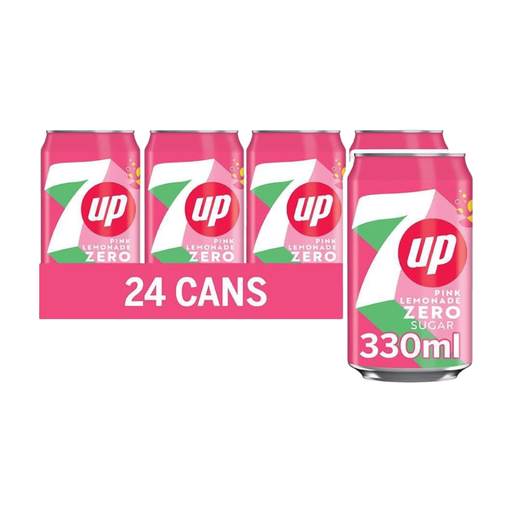
For a lemonade rather than a cola, compare this 24 × 330ml pack’s sugars per 100ml, caffeine information and ingredients with your requirements.
 No image available
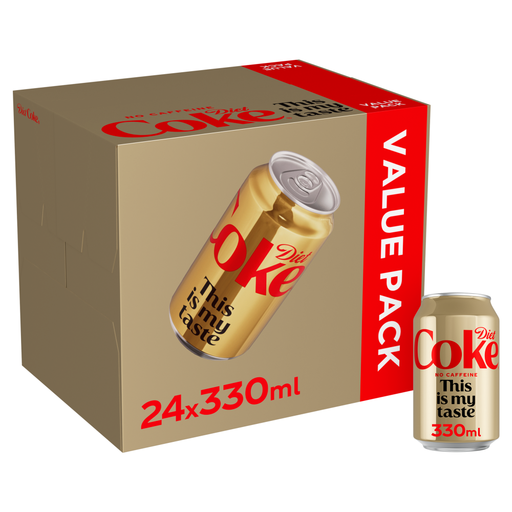
The No Caffeine variant is a cola option when avoiding caffeine matters. The pack contains 24 × 330ml; check its sugars per 100ml and ingredients against your other requirements.
 No image available
This caffeine-free cola variant suits a preference for Pepsi Max flavour without caffeine. Pepsi UK lists 0g sugars per 100ml for Pepsi Max No Caffeine; this is a 24 × 330ml pack. Check the exact pack’s ingredients and warnings.
 No image available
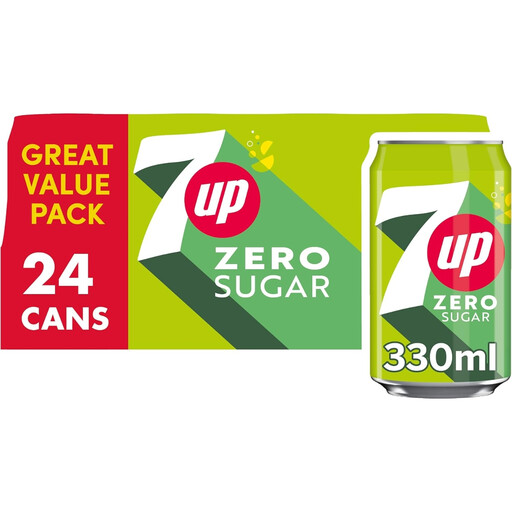
For a non-cola fizzy drink, this pack contains 24 × 330ml. Check the exact product’s sugars per 100ml, caffeine information and ingredients before choosing it for a school-day occasion.
 No image available
This 24 × 330ml cola pack fits a 0g-sugars-per-100ml aim when caffeine is acceptable: Coca-Cola GB lists 0g sugars and caffeine flavouring for the standard Zero Sugar variant. Choose the separately named Zero Caffeine variant if avoiding caffeine.
No. The wording concerns added sugar, not necessarily all sugars in the finished drink. Check ‘of which sugars’ per 100ml on the exact variant: Coca-Cola GB lists 0g for Sprite Zero Sugar but 0.4g for Fanta Fruit Twist Zero.
Coca-Cola GB identifies Coca-Cola Zero Sugar Zero Caffeine and Sprite Zero Sugar as caffeine-free, and Pepsi UK identifies Pepsi Max No Caffeine as caffeine-free. Coca-Cola GB also lists Fanta Zero Sugar drinks among its caffeine-free options. Check the current pack for the particular variant you choose.
For a routine between-meal drink, St George’s University Hospitals NHS Foundation Trust advises water or plain milk. Northumbria Healthcare NHS Foundation Trust notes that sugar-free fizz remains acidic and can cause tooth erosion, so removing sugar does not remove that consideration.
Several of the cited Coca-Cola GB and Pepsi UK variants list aspartame and carry a ‘contains a source of phenylalanine’ notice. If that warning is relevant to the person drinking it, review the ingredients and notice on the exact pack.