For a weekly big shop, choose a no-added-sugar cordial by its dilution directions, declared servings and ingredients, not bottle size or the front-of-pack claim alone. A larger squash bottle may suit frequent household use; if fruit-juice proportion, flavour or a particular sweetener matters more, compare those details on the individual bottle and check how long it keeps after opening.
Who is choosing cordial?
Households buying squash for regular use
If a bottle needs to last through the weekly shop, compare declared servings and dilution directions as well as concentrate volume. A larger bottle does not necessarily make the same amount of prepared drink as another concentrate.
Families choosing drinks for children
Check the individual product’s age and dilution directions rather than assuming a no-added-sugar label settles suitability. The NHS identifies water and milk as the best drinks for children, while Sandwell and West Birmingham NHS Trust notes that even sugar-free squash can be acidic.
Shoppers with ingredient or flavour preferences
Fruit-juice proportion, sweeteners and allergen declarations differ between cordials. Compare the exact flavour and bottle you intend to buy, particularly when an ingredient must be avoided.
What should you check?
Start with the drink as prepared, then check whether its ingredients, bottle size and storage directions fit your household’s use.
| Priority |
What to check |
Your needs |
| Sugar claim |
Read the nutrition information on its stated diluted or undiluted basis, alongside the ingredients list. No added sugar does not by itself mean no naturally occurring sugars or no sweetener. |
I want to know what is in the drink I will actually serve, rather than relying on the claim on the front. |
| Prepared yield |
Compare each bottle’s dilution directions and declared servings before comparing concentrate volumes. Waitrose & Partners lists 40 servings and a 1:4 dilution for its 2-litre Vimto No Added Sugar Squash; its Belvoir Lemon & Lime cordial listing gives 14 servings and a 1:6 dilution for 500ml. |
One weekly purchase needs to cover our usual use without leaving an opened bottle sitting for too long. |
| Fruit and flavour |
Check the stated juice percentage for the exact flavour, then read its sweetener ingredients. Sainsbury’s lists 30% fruit juice from concentrate for its no-added-sugar lime cordial; Marks & Spencer lists 50% fruit juice for Apple and Elderflower High Juice. |
Fruit content or a particular flavour may matter more to me than buying the largest bottle. |
| Children’s drinks |
Read age-specific directions and dilute as instructed. Sandwell and West Birmingham NHS Trust warns that sugar-free squash can still be acidic; the NHS identifies water and milk as the best drinks for children. |
If children will drink it, I need to check the bottle’s directions without treating cordial as their default drink. |
| Ingredients and storage |
Check the physical bottle for allergens, sweeteners and after-opening instructions. Waitrose & Partners lists refrigeration and use within three weeks after opening for Belvoir Lemon & Lime No Added Sugar Cordial. |
I need a flavour and bottle size we can use within its storage directions, with ingredients that suit the household. |
Common buying mistakes
-
Reading “no added sugar” as “no sugar or sweetener”
A juice-containing cordial may have naturally occurring sugars, and products use different sweeteners. The front-of-pack claim cannot tell you which ingredients are in a particular flavour.
Check the ingredient list and read nutrition figures on the label’s stated preparation basis.
-
Choosing solely by bottle size
Concentrates have different dilution directions and serving declarations, so bottle volumes alone do not show how many drinks they will make.
Compare the stated servings and dilution directions, then check how the bottle should be stored after opening.
An opened bottle that cannot be used within its stated storage period may be wasted.
-
Assuming no added sugar removes every concern for children
Sandwell and West Birmingham NHS Trust notes that squash can be acidic even when it is sugar-free. Individual products may also give age-specific directions.
Use the bottle’s dilution and age guidance. For children’s routine drinks, the NHS identifies water and milk as the best choices.
-
Using one flavour’s ingredient list for another
Sweeteners and allergen declarations can differ between products. That matters particularly when a household member needs to avoid a specified ingredient.
Check the physical label of the exact flavour and size received with the shop.
Brand and retailer references
These examples show why it helps to compare individual bottles; a product detail for one flavour does not describe an entire range.
Robinsons
Tesco Groceries lists Robinsons Double Strength Orange No Added Sugar Squash in a 1.75-litre bottle, a format to consider for frequent household use.
- The listed bottle size makes it possible to plan how many bottles to put in a weekly shop.
- Check this flavour’s dilution directions, servings and ingredients before comparing it with another concentrate.
Tesco
Tesco Groceries lists a 1.5-litre Tesco Quadruple Strength Orange Squash No Added Sugar.
- It provides an own-label orange option in a stated 1.5-litre format.
- The product’s dilution directions and ingredients need checking on the chosen bottle; the format alone does not establish prepared yield.
Sainsbury’s
Sainsbury’s lists a 1-litre Lime Cordial No Added Sugar with 30% fruit juice from concentrate, 20 declared servings and a direction to dilute one part cordial with four parts water.
- The stated servings and dilution give a basis for planning use of this specific lime cordial.
- Check its full ingredients and allergen declaration on the bottle; do not apply this flavour’s details to other Sainsbury’s cordials.
M&S
Marks & Spencer describes its Apple and Elderflower High Juice as a no-added-sugar concentrate made with 50% fruit juice.
- The stated fruit-juice proportion helps shoppers seeking this particular fruit profile compare labels.
- Fruit-juice content does not establish that a prepared drink is sugar-free or suitable for every age group; check the individual label.
Waitrose
Waitrose & Partners describes its own-label No Added Sugar Lime Juice Cordial as a concentrated drink with sweetener and naturally occurring sugars.
- The listing makes clear that the no-added-sugar claim should be read alongside the product description.
- Check the bottle’s nutrition, ingredients and dilution directions for the drink you intend to prepare.
Joybuy squash options
These Joybuy options are no-added-sugar squash concentrates in blackcurrant, orange, summer fruits, tropical fruit and lemon flavours. Compare the exact bottle or multipack against your household’s preferred flavour, ingredients and weekly use.
 No image available
Ribena Blackcurrant No Added Sugar Squash 1.5L
The 1.5-litre blackcurrant concentrate is an option when a larger bottle fits regular household use. Check its serving guidance, sweeteners and age-specific directions on the bottle before buying for the whole household.
View on Joybuy
 No image available
Robinsons No Added Sugar Orange Squash 1L
This 1-litre orange concentrate suits a shop where orange is the wanted flavour. Check the bottle’s dilution and serving directions to judge how it fits your weekly use, and read its ingredient and age guidance.
View on Joybuy
 No image available
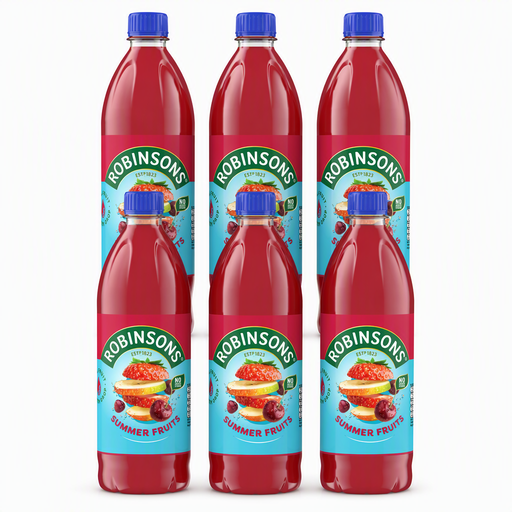
Robinsons No Added Sugar Summer Fruits Squash 6 × 1L
The six-bottle pack is an option for stocking up on summer fruits squash. Before ordering multiples, check the exact pack’s sweetener ingredients, dilution directions and after-opening storage instructions.
View on Joybuy
 No image available
Ribena Pineapple and Passion Fruit No Added Sugar Squash 850ml
The 850ml bottle offers a pineapple and passion fruit flavour for a household that prefers it to the other options shown. Read the exact bottle’s dilution, ingredient and after-opening directions before comparing its prepared yield.
View on Joybuy
 No image available
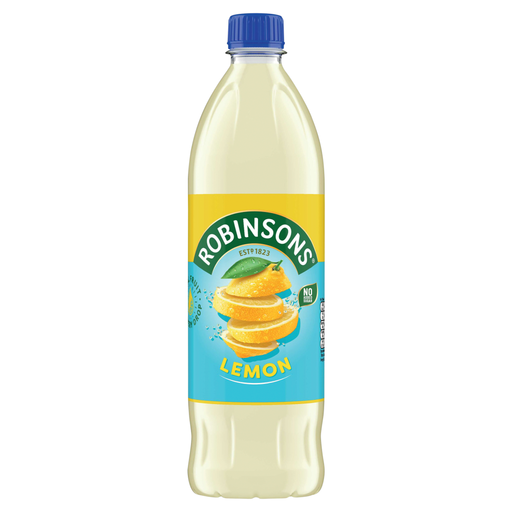
Robinsons No Added Sugar Real Fruit Lemon Squash 1L
This 1-litre lemon concentrate is a citrus-flavoured option. When comparing nutrition figures, check whether the label refers to concentrate or prepared drink, and follow its stated dilution directions.
View on Joybuy
Questions about cordial
Does “no added sugar” mean a cordial has no sugar or sweetener?
No. A no-added-sugar cordial can contain naturally occurring sugars and a sweetener: Waitrose & Partners explicitly notes both for its own-label lime cordial. Read the ingredients and check whether nutrition figures describe the concentrate or the diluted drink.
How do I compare bottles for a weekly big shop?
Compare dilution directions and declared servings before bottle volume, then check ingredients and after-opening storage. Waitrose & Partners lists a 1:4 dilution and 40 servings for its 2-litre Vimto squash, but a 1:6 dilution and 14 servings for its 500ml Belvoir Lemon & Lime cordial; concentrate litres alone do not compare prepared yield.
Should no-added-sugar cordial be children’s main drink?
The NHS identifies water and milk as the best drinks for children. Sandwell and West Birmingham NHS Trust notes that sugar-free squash can still be acidic, so check the individual product’s age and dilution directions rather than treating its sugar claim as a complete guide to use.
Why might a squash bottle mention phenylalanine?
A phenylalanine warning can accompany an aspartame-containing product. Waitrose & Partners lists aspartame and a source-of-phenylalanine warning for Ribena Blackcurrant Squash No Added Sugar. If that ingredient matters to your household, check the exact bottle rather than assuming all flavours use the same sweeteners.
How long does cordial keep after opening?
Follow the storage instruction on the specific bottle. Waitrose & Partners lists refrigeration and use within three weeks after opening for Belvoir Lemon & Lime No Added Sugar Cordial; another product may give different directions.


