Noise-sensitive public-transport commuters
You want speech and audio to remain easier to follow amid train, bus or Tube noise. Decide whether an ear-tip seal or the extra space needed for over-ear headphones is acceptable to you.


Choose noise-cancelling earbuds if pocket-sized carry matters most and you can get a comfortable, secure seal. Choose over-ear headphones if you can accommodate a larger item and place more weight on long listening sessions or a model-specific wired fallback. For either type, check call functions, device switching and battery life under the settings you will use; a wired option also needs compatible connectors and cables.
You want speech and audio to remain easier to follow amid train, bus or Tube noise. Decide whether an ear-tip seal or the extra space needed for over-ear headphones is acceptable to you.
You move between a phone and a work device. Microphone performance and how the exact headphones handle Bluetooth calls and device switching matter alongside music playback.
You need a single charge to cover extended travel or want a cable option if the battery runs down. Compare battery claims in the relevant listening mode and check wired compatibility before relying on it.
Start with what you are willing to carry and wear, then check the features that could decide your journey: isolation, calls and uninterrupted listening time.
Choose when: You want to carry your headphones in a pocket and can obtain a stable in-ear fit.
Accept: Isolation and comfort depend on the ear-tip seal, and you need to check single-charge time rather than relying on the charging case total.
Choose when: You have room to carry them and prefer an over-ear fit for longer listening sessions.
Accept: They take up more space; battery endurance, call performance and wired operation still depend on the exact model.
| Concern | What to check | Who this matters to |
|---|---|---|
| Transport noise | Check the exact model’s noise-cancelling and ambient modes. With earbuds, try the supplied tip sizes for a stable seal. | If carriage noise makes spoken audio difficult to follow, isolation may decide my choice, but I still need to hear important announcements. Around 36% of consumers put isolation first. |
| Comfort and carrying | Consider ear-tip fit or over-ear weight and pressure, plus how the headphones fit into what you carry. | I wear headphones throughout repeated journeys and need them to remain comfortable without becoming awkward to carry. Comfort and portability come first for around 29% of consumers. |
| Calls and device switching | Confirm Bluetooth call support, multipoint behaviour and compatibility with your phone and work device. | When a call moves from my phone to a work device, reliable communication matters more to me than music features. Around 21% of consumers chiefly prioritise calls and switching. |
| Battery and wired fallback | Compare single-charge claims in the listening mode you use; if a cable matters, check the headphone, cable and source connector together. | On a long journey or after a missed charge, I need listening time that covers the trip or a compatible cable option. Endurance and fallback are the main concern for around 14% of consumers. |
Results vary by model, and an earbud’s seal affects how much outside noise reaches your ear. Noise cancellation also does not make every station announcement easy to hear.
Try the available ear tips, assess comfort and isolation on your usual journey, and check how readily you can switch to ambient mode or remove the headphones.
Features such as noise cancellation or immersive audio can change a stated runtime. An earbud’s charging-case total is not its uninterrupted listening time.
Compare single-charge claims under the stated settings first. If you need a wired fallback, confirm that the exact model and your source device can use it.
A multipoint specification alone does not establish how a particular phone, computer, codec and meeting app will behave together.
Check the manufacturer’s instructions for the exact model and try switching between the two devices you intend to use while a return option remains available.
Consumer noise cancellation is not automatically suitable hearing protection or permitted equipment for safety-critical work. Requirements for a worker are distinct from ordinary passenger use.
If you drive or work in a noisy or safety-critical role, follow the applicable workplace instructions and ask your employer which equipment may be used.
Sony has over-ear and in-ear noise-cancelling options relevant to commuters. Features should be checked by model rather than assumed across the range.
Bose offers QuietComfort Ultra options in both over-ear and earbud forms, making fit and carrying preferences relevant to the choice.
AirPods Pro 3 are an in-ear option for commuters considering noise cancellation and Apple-device features.
Momentum 4 Wireless is an over-ear option for commuters placing particular weight on stated battery endurance.
These models cover pocketable noise-cancelling earbuds and over-ear headphones for public-transport listening. Compare fit and carrying needs first, then check the exact features you need for calls, charging or wired use.
 No image available
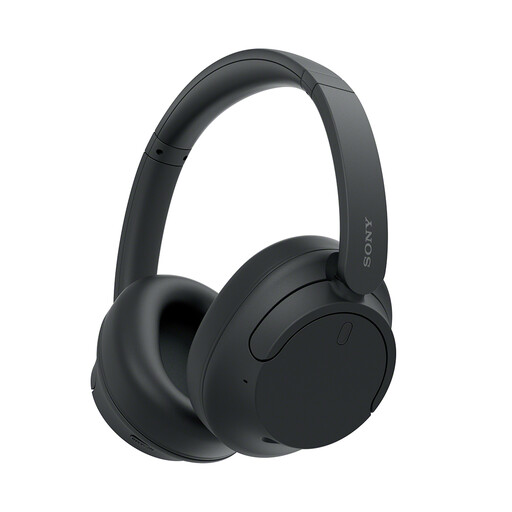
Consider this over-ear model if you want noise-cancelling headphones for a commute and can carry a full-size pair. Check the fit, call functions and any required phone compatibility before choosing it for work journeys.
 No image available
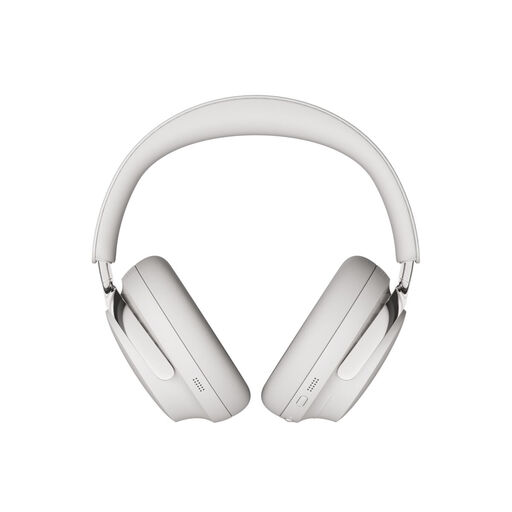
Consider these over-ear headphones if single-charge endurance is important on longer journeys. Bose states up to 30 hours of battery life and lists Bluetooth Hands-Free Profile for calls; confirm comfort and the battery setting relevant to your use.
 No image available
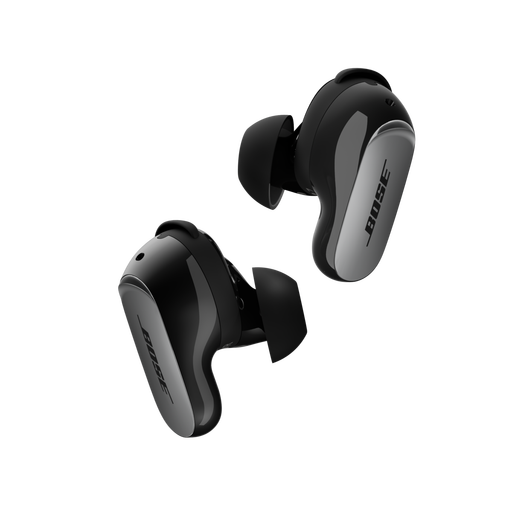
Consider these earbuds when compact carrying matters, provided the supplied fit options give you a secure seal. Bose lists adjustable noise cancellation, a fit kit and 6-hour battery life; check the stated listening mode against your longest uninterrupted journey.
 No image available
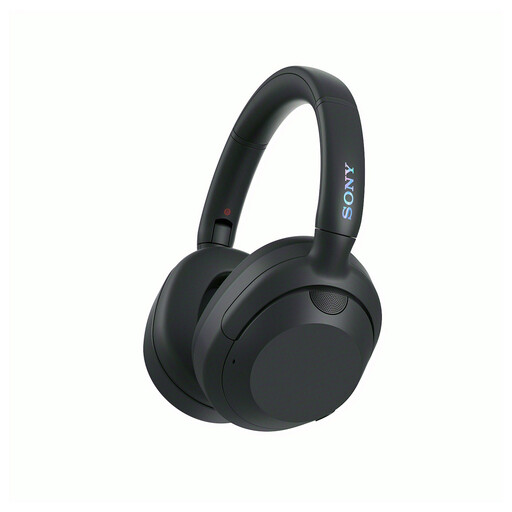
Consider this over-ear model for noise-cancelling listening when you have room to carry headphones. If a cable fallback is essential, confirm the exact wired operating conditions and your device’s connector before relying on it.
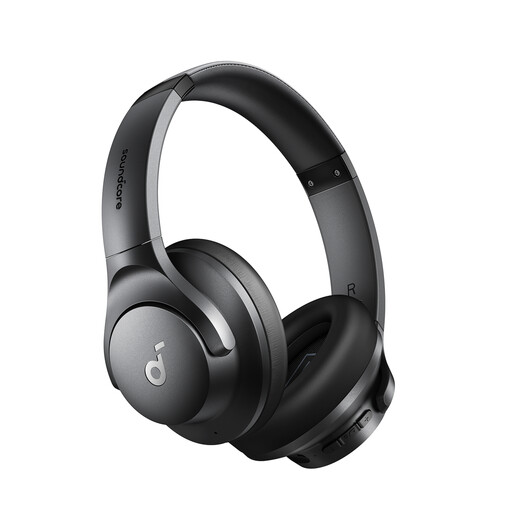 No image available
Consider this over-ear model if you want noise-cancelling headphones for the journey and can accommodate their larger form. Check fit and the functions you need for calls or switching devices against the exact model.
Transport for London encourages passengers to use headphones rather than play audio aloud. That courtesy guidance does not mean you should depend on noise-cancelling headphones to hear every announcement; switch modes or remove them when you need to pay attention to your surroundings.
Not necessarily. Apple says AirPods can work as Bluetooth headphones with non-Apple devices, but functionality may be limited. Check the setup, switching and call features you specifically need before buying.
Do not assume that headphones suitable for a passenger commute are suitable while driving. The Highway Code requires drivers to maintain proper control of their vehicle, and GOV.UK sets out restrictions on holding and using a phone while driving. Follow your employer’s instructions for the role and avoid listening arrangements that interfere with safe driving.
No such substitution should be assumed. The Health and Safety Executive addresses workplace noise through employer risk controls under the Control of Noise at Work Regulations 2005 in Great Britain. Follow the equipment and protection requirements for your particular job rather than relying on consumer headphones.