
24/7 Customer Support

Free returns

Same-day & Next-day Delivery

Quality Guaranteed

Unlock Your Welcome Offers: FREE Delivery | Up to 80% OFF | Free 30-day JoyPlus trial
Download the APP
The constant hum of the morning commute, the chatter of an open-plan office or the drone of an aeroplane engine—unwanted noise is a persistent feature of modern life. It can disrupt your focus, spoil your favourite podcast and turn a relaxing journey into a stressful one. This is where a quality pair of noise cancelling headphones can make a significant difference, creating a personal bubble of quiet so you can concentrate, relax or simply enjoy your audio with greater clarity.
Navigating the market for these headphones can be confusing, with countless models all promising a silent escape. This guide is designed to cut through the marketing clutter. We will outline the key features to consider and present a few carefully selected options to help you find the right pair for your needs, whether you're a frequent traveller, a daily commuter or a professional seeking focus at work.
Before diving into specific models, let's cover a few essential considerations. Keeping these points in mind will help you make a more informed decision.
When you see the term over-ear ANC headphones, "ANC" stands for Active Noise Cancellation. This technology uses tiny, built-in microphones to detect ambient sounds around you and then generates an opposing sound wave to neutralise them. It is particularly effective against constant, low-frequency sounds like the rumble of a train or the hum of air conditioning. This is different from passive noise isolation, which is simply the physical seal the earcups create to block sound. Most high-quality models use a combination of both for the most effective result.
For wireless noise cancelling headphones, battery life is a critical factor. If you're looking for headphones for travel or all-day use, look for models that offer at least 20-30 hours of playback with ANC turned on. Another valuable feature is multi-point Bluetooth connectivity. This allows the headphones to be connected to two devices at once—for example, your laptop and your phone—so you can seamlessly switch from listening to music on your computer to answering a call on your mobile.
A pair of headphones is only useful if you can wear it comfortably for extended periods. Look for lightweight designs with plush, breathable earpads and an adjustable headband. If you plan to use your headphones for work, call quality is just as important as audio playback. Models with multiple microphones or specific voice-enhancing technology are often better at isolating your voice from background noise, making them excellent noise cancelling headphones for work.
Here are a few standout models that balance performance, comfort and features for different needs and budgets.
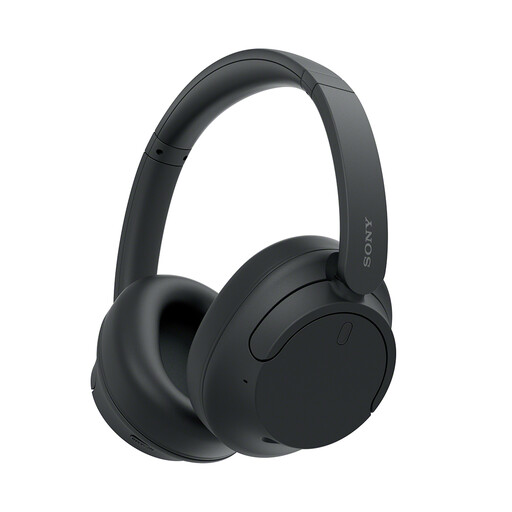
Why It Stands Out: The Sony WH-CH720N offers a compelling package of features, making it a superb all-rounder. It is exceptionally lightweight, which is a huge plus for all-day wear, and it incorporates some of Sony's well-regarded audio technology, such as the Digital Sound Enhancement Engine (DSEE) that aims to restore detail to compressed music files.
Pros:
Who is it for? These are an excellent choice for students, daily commuters and home workers. If you need a reliable and comfortable pair of commuter headphones with a long battery life and clear call quality without paying a premium price, the WH-CH720N is a strong contender.
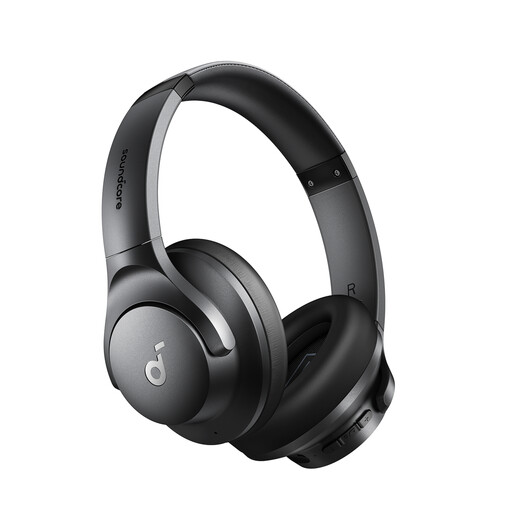
Why It Stands Out: The soundcore Q21i headphones are all about endurance and value. With a battery that can last for days of use, they are ideal for those who often forget to charge their devices. The brand claims its hybrid active noise cancelling system can reduce external noise by up to 90%, making them a practical option for blocking out engine noise and office chatter.
Pros:
Who is it for? If you prioritise battery life above all else, these are the long battery life headphones for you. They are well-suited for long-haul travellers, busy professionals and anyone looking for a feature-rich pair of bluetooth headphones with noise cancellation at an accessible price point.
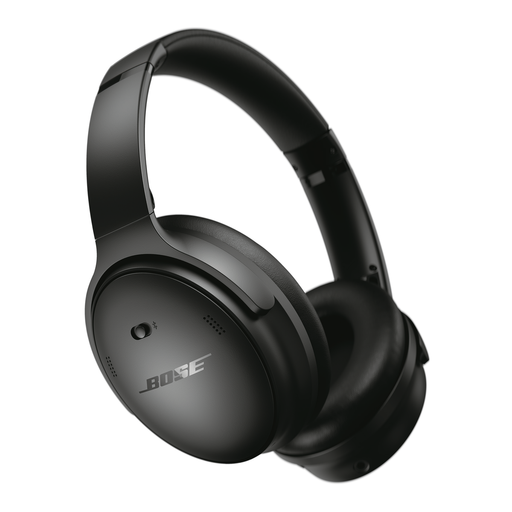
Why It Stands Out: Bose has a long-standing reputation in the noise-cancelling space, and the QuietComfort headphones continue that legacy. They are engineered for superior noise cancellation and all-day comfort. With customisable modes, you can choose full quiet or switch to Aware Mode to hear your surroundings, offering excellent versatility for different environments.
Pros:
Who is it for? These headphones are a premium choice for frequent flyers and professionals who work in noisy settings and demand highly effective noise cancellation and exceptional comfort. If your priority is creating the quietest possible environment, these are a leading option.
While these three models represent excellent choices across different price points and use cases, the world of audio is vast. If you're interested in different styles, such as in-ear models or simply want to compare a wider selection, we invite you to browse our full collection.
Explore our complete range of bluetooth earphone noise cancelling to find your perfect audio companion.
1. Are noise cancelling headphones worth it for commuting? Yes, they can make a substantial difference. By actively reducing the low-frequency drone of bus, train and tube travel, they help create a more peaceful journey. This also means you can listen to your music or podcasts at a lower, safer volume without having to crank it up to overcome the background noise.
2. Can I use noise cancelling headphones for work calls? Absolutely. Many modern headphones with a microphone are specifically designed for this purpose. Look for models that mention features like "beamforming microphones," "voice pickup technology" or "wind noise reduction." These systems are designed to focus on your voice and suppress surrounding sounds, ensuring you come through clearly during online meetings and calls.
3. What is the difference between ANC and noise isolation? Noise isolation is a passive, physical barrier. It's the seal that the headphone's earcups create around your ears to block sound, much like wearing earmuffs. Active Noise Cancellation (ANC) is an electronic process. It uses microphones to analyse incoming sound and generates an "anti-noise" signal to cancel it out. The most effective soundproof headphones use a combination of both methods.