What matters when choosing?
Confirm how the museum talk will reach your headphones before weighing noise cancellation, listening time and what you need to hear around the campsite.
| Concern | What to check | Who this matters to |
|---|
| Following speech |
Look for noise cancellation and a comfortable, secure fit; keep playback at a sensible volume. |
When background noise makes a recording hard to follow, I want clearer speech without simply turning it up. Around 36% of consumers put following speech first. |
| Connection and charging |
Confirm the talk’s delivery method, receiver output and cable arrangement; compare battery life under the settings you will use. |
If I am given a museum receiver or have little time to recharge, the talk must reach my headphones and last through the session. Around 29% of consumers prioritise connection and charging. |
| Campsite awareness |
Check whether you can quickly hear people and instructions, whether through an awareness mode or by removing the headphones. |
I want private playback but still need to respond when someone nearby speaks to me. For around 21% of consumers, awareness is the primary concern. |
| Packing and fit |
Consider carrying bulk and fit, particularly if choosing earbuds instead of over-ear headphones. |
With limited bag space, I need headphones I can carry and wear securely once my audio connection is sorted. Packing and fit come first for around 14% of consumers. |
Over-ear options on Joybuy
These over-ear noise-cancelling models are relevant to private playback of museum-talk audio at a campsite. Check the talk’s delivery method and any receiver connection before choosing between them.
 No image available
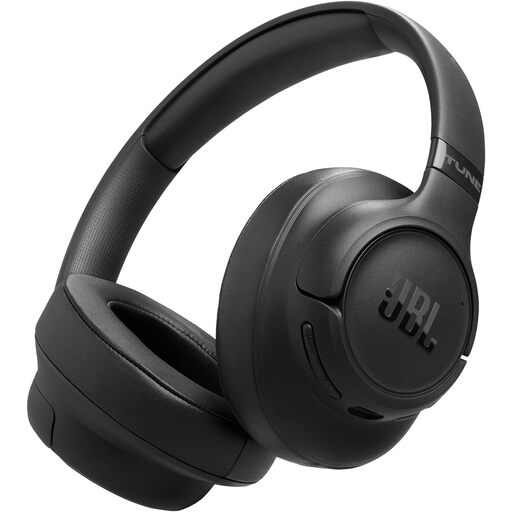
JBL Tune 780NC over-ear headphones, black
Consider this wireless noise-cancelling model for a talk played through a compatible device. If the museum supplies a receiver, confirm its output and the cable connection before buying.
View on Joybuy
 No image available
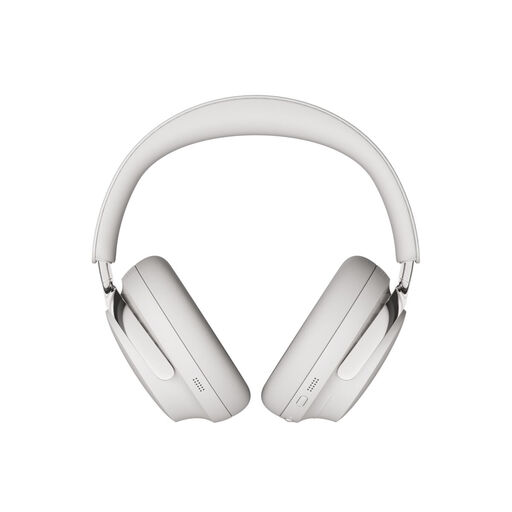
Bose QuietComfort Ultra (2nd Gen) headphones, white
Consider these noise-cancelling headphones if a supplied analogue cable and opportunities for short charges matter to your plans. Bose UK specifies a 3.5 mm-to-2.5 mm cable, up to 30 hours from a full charge and up to three hours from a 15-minute charge. Confirm the museum receiver’s output before depending on a wired connection.
View on Joybuy
 No image available
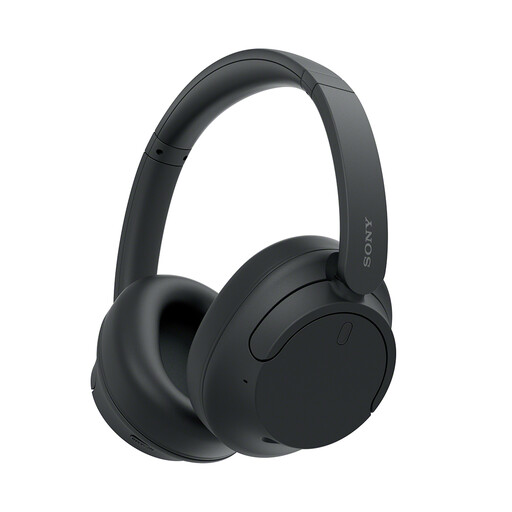
Sony WH-CH720N over-ear headphones, black
These noise-cancelling over-ear headphones are an option for listening to a talk from a compatible audio source. If you expect to use a museum receiver, check its socket and the connection arrangement for this model.
View on Joybuy
 No image available
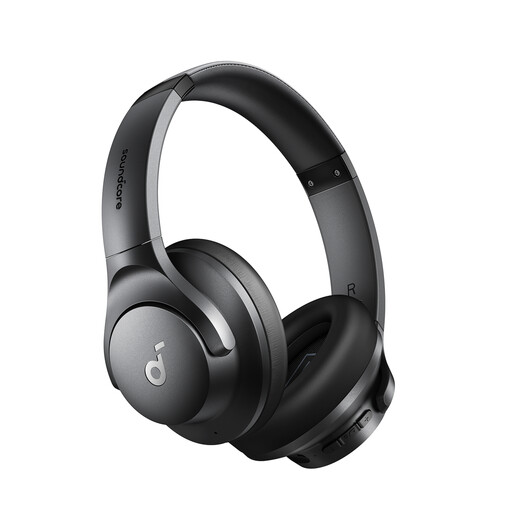
soundcore Q21i over-ear headphones, black
Consider this wireless noise-cancelling model when your talk plays from a compatible wireless source. Check its wired-input and cable arrangements before planning to use a museum receiver.
View on Joybuy
 No image available
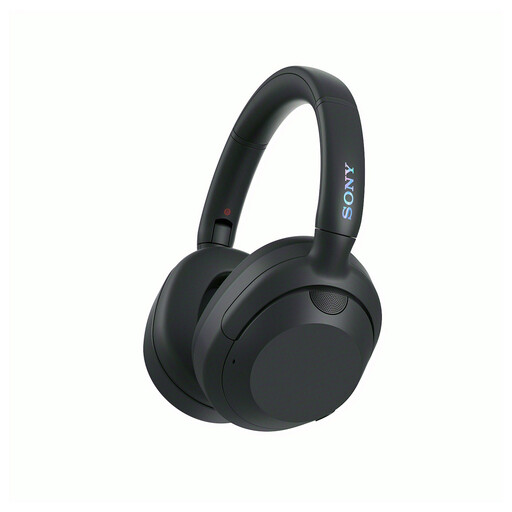
Sony WH-ULT900N ULT Wear over-ear headphones, black
These noise-cancelling over-ear headphones are an option for a talk played through a compatible source. Check the museum receiver’s output before relying on a cable connection, and confirm how you would hear people nearby when needed.
View on Joybuy
Frequently asked questions
Will noise cancellation let me hear a live museum talk from a distance?
No: noise cancellation reduces surrounding sound but does not transmit the speaker’s voice. Ask whether the museum provides a recording, stream or compatible personal receiver before choosing headphones for that talk.
What if the museum provides a receiver with a headphone socket?
Check the receiver’s output against the headphones’ input and the cable you would use. A wireless model’s Bluetooth capability alone does not establish that it will connect to an analogue receiver.
How should I judge battery life for several talks?
Compare listening time under the settings you intend to use with the hours between charges. For instance, Sony UK rates the WH-1000XM6 for up to 30 hours with noise cancellation on; do not treat a figure measured with cancellation off as equivalent.
How can I listen without losing track of what is happening at the campsite?
Pause or lower playback and use an awareness setting, if the model has one, or remove the headphones when you need to hear someone. Keep playback private and follow the particular campsite’s instructions.
Can I wear noise-cancelling headphones in the rain?
Do not assume that a portable model is protected against rain. Check the exact headphones’ published protection information before exposing them to wet weather, and keep charging equipment dry.


