Closed, over-ear headphones with active noise cancelling are a sensible starting point if steady bedroom noise makes spoken drills hard to follow at a comfortable volume. Choose accessible ambient-sound controls if you need to hear a roommate, and check fit and battery life with noise cancelling on; no model should be expected to make nearby speech disappear.
Who these headphones suit
Learners distracted by household noise
If nearby activity makes you replay dialogue, reducing distraction while keeping playback at a comfortable volume matters more than simply turning it up. A secure over-ear fit is worth checking alongside noise cancelling.
Long-session language learners
If you repeat tracks or study across several sessions, check how the earcups and headband feel over time, as well as the stated battery life with noise cancelling on.
Learners who need to stay reachable
If you may need to hear a roommate or an alarm, look for an ambient or awareness mode that you can switch on easily without ending a listening session.
What matters when choosing
For language drills in a shared bedroom, decide which need takes priority, then check the controls and fit during the kind of session you expect to have.
| Concern | What to check | Who this matters to |
|---|
| Distraction and volume |
Check for noise cancelling and a secure over-ear fit; try them against the sounds that interrupt your drills. |
When nearby activity masks parts of a dialogue, I want to follow the words without raising the volume to compete with it. Roughly 36% of consumers put reducing distraction first. |
| Long-session comfort |
Try the fit for a normal session, including with glasses if you wear them, and check the retailer’s return conditions. |
Repeated listening is harder to sustain if the earcups feel warm or the headband presses uncomfortably. For around 29% of consumers, lasting comfort is the primary need. |
| Awareness and connection |
Check how to activate ambient mode and whether any wired connection suits your study device. |
I need to concentrate on a recording but still be able to respond to someone in the room; a wired option may also matter for my device. Staying aware or connected comes first for roughly 21% of consumers. |
| Charging interruptions |
Compare stated playback time with noise cancelling on where available, and check charging conditions. |
Regular drills are less convenient when I have to stop to charge between sessions. Around 14% of consumers prioritise fewer charging interruptions. |
Buying pitfalls
-
Expecting noise cancelling to remove every voice
A roommate’s conversation or a sudden sound may still interrupt a drill. Increasing playback volume to cover it is not the answer.
Try the headphones with sounds typical of your room, and make sure you can switch to an awareness mode when you need to respond.
-
Comparing battery maximums without checking the mode
A headline playback figure may not describe the settings you will use for study, particularly if noise cancelling stays on.
Look for a stated noise-cancelling-on runtime where one is available, and check the charging conditions before comparing models.
-
Relying on comfort claims alone
Head shape, glasses, earcup warmth and pressure can change how a pair feels during repeated drills; specifications cannot settle personal fit.
Read the seller’s return conditions before purchase, then try a normal study session while any permitted return window remains open.
Brands to consider for over-ear listening
Sony
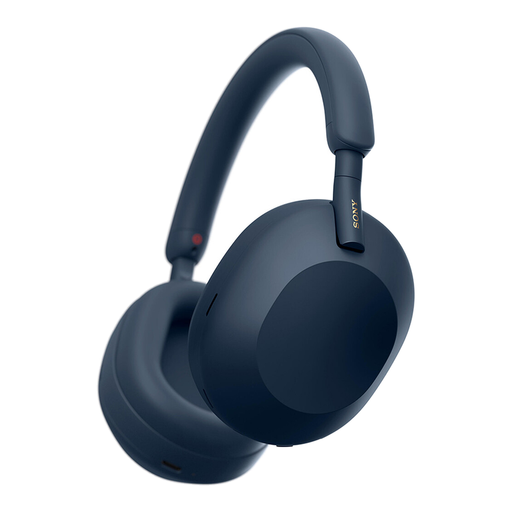
The WH-1000XM5 is a closed, over-ear noise-cancelling option for learners who also want control over surrounding sound.
- Sony lists ambient sound mode and up to 30 hours of continuous music playback with noise cancelling on for the WH-1000XM5.
- Sony’s noise-reduction claims do not establish how much of a particular roommate’s speech you will hear.
Bose
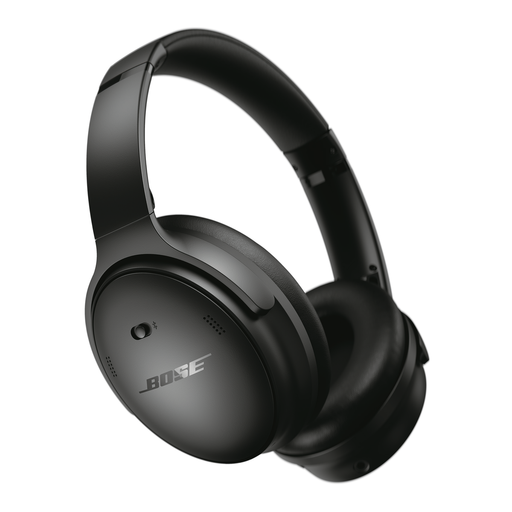
QuietComfort Headphones offer distinct listening modes for switching between concentration and awareness.
- Bose lists Quiet and Aware modes, an app-based Custom mode and an included audio cable.
- The cable needs a compatible source connection, and comfort and isolation depend on fit.
Sennheiser
ACCENTUM Plus Wireless is relevant if charging interruptions are a particular concern.
- Sennheiser lists adaptive noise cancelling, up to 50 hours of battery life and five hours of playback from a 10-minute charge.
- Those manufacturer figures do not establish speech reduction or directly comparable endurance under every listening setting.
JBL
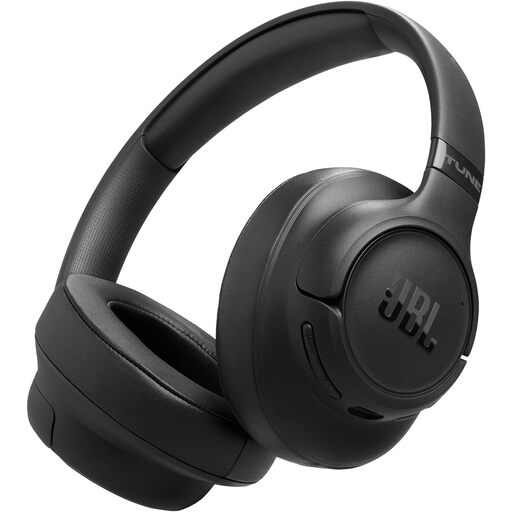
Tune 770NC is an over-ear noise-cancelling option to consider when charging frequency matters.
- JBL lists up to 70 hours of battery life, a flat-folding design and multipoint connectivity for the Tune 770NC.
- Its stated maximum does not show how well it reduces speech or how comfortable it will feel during your sessions.
Joybuy headphones for language drills
These over-ear noise-cancelling models offer choices for focused drills, occasional awareness of the room or regular sessions between charges. Check the features that matter to your routine rather than treating any one specification as a measure of real-room performance.
 No image available
Sony WH-1000XM5 Noise-Cancelling Headphones, Blue
Consider this over-ear model if distraction is your main obstacle but you sometimes need to hear the room.
Sony lists ambient sound mode and up to 30 hours of continuous music playback with noise cancelling on for the WH-1000XM5. Try the fit and check how much nearby speech remains audible at a comfortable volume.
View on Joybuy
 No image available
JBL Tune 780NC Adaptive Noise-Cancelling Headphones, Black
Consider these over-ear headphones if you expect frequent listening sessions and want to assess charging frequency alongside noise cancelling.
Check the listening settings behind the stated battery runtime and try the awareness controls and fit during a normal drill.
View on Joybuy
 No image available
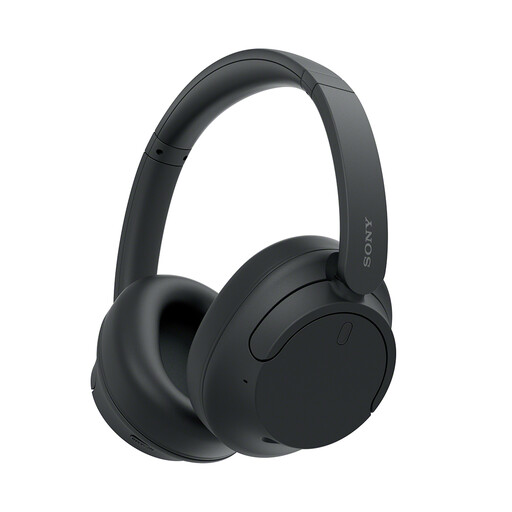
Sony WH-CH720N Noise-Cancelling Headphones, Black
This over-ear model is worth considering if you want noise cancelling for regular drills and need to check how easily you can hear your surroundings when necessary.
Assess pressure and warmth over a full session, and test whether speech in your room remains distracting at a comfortable listening volume.
View on Joybuy
 No image available
Bose QuietComfort Noise-Cancelling Headphones, Black
Consider these if you need to alternate between focused drills and hearing someone in the room.
Bose lists Quiet, Aware and app-based Custom modes, plus an included audio cable. Check that the cable suits your study device and compare battery life in the listening mode you expect to use.
View on Joybuy
 No image available
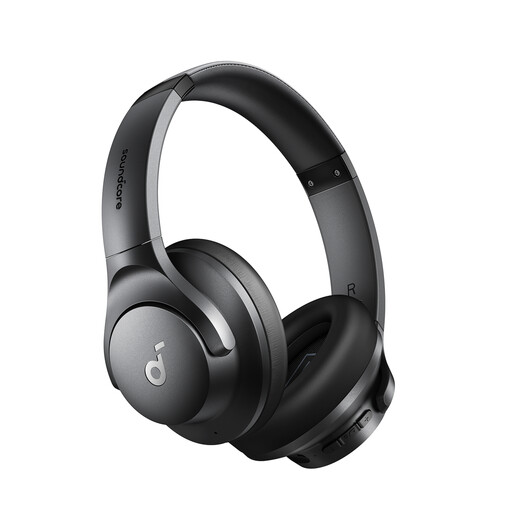
soundcore Q21i Noise-Cancelling Headphones, Black
These over-ear headphones are an option if you want to balance focused listening with the ability to notice activity nearby.
Try the listening controls and fit in your usual study setting. If a wired connection is important, confirm what cable and connection you would need before buying.
View on Joybuy
Frequently asked questions
Will noise-cancelling headphones make a shared bedroom silent?
No. Treat noise cancelling as a way to reduce distraction, not as a guarantee that nearby voices or sudden sounds will disappear. If you need to respond to someone, choose controls that let you hear the room when needed.
Are over-ear headphones or earbuds more suitable for long language drills?
Closed over-ear noise-cancelling headphones are a useful starting point when a surrounding earcup and extended-session comfort are priorities. Earbuds may suit you if compactness matters more, but fit and comfort need a personal check whichever format you choose.
Should I turn up the volume when a drill is hard to hear?
Try reducing the competing noise rather than raising the volume to overpower it. Royal Free London NHS Foundation Trust advises that noise-cancelling headphones can help reduce the urge to turn up playback against outside sound.
What should I check about returns before testing the fit at home?
Read the seller’s change-of-mind return conditions before opening and trying the headphones. A voluntary return policy is separate from remedies for faulty goods; Citizens Advice says a faulty item may entitle you to a refund, repair or replacement, depending on the circumstances.


