Recital-detail listeners
If you listen closely to piano attack, decay and room ambience, check your recording source and the headphone connection before choosing on the strength of noise-cancelling claims alone.


Choose noise-cancelling headphones for piano recitals by checking the connection you can actually use, then weighing noise reduction, awareness controls and comfort for a full programme. Bose UK describes a compatible lossless USB-C route for its QuietComfort Ultra Headphones (2nd Gen); Sony UK lists LDAC and passive cable operation for the WH-1000XM6; and Sennheiser UK lists adjustable sound controls and extended stated battery life for the MOMENTUM 4 Wireless. Those features offer different ways to listen, not proof that one model reproduces piano recordings more faithfully.
If you listen closely to piano attack, decay and room ambience, check your recording source and the headphone connection before choosing on the strength of noise-cancelling claims alone.
If household or travel noise intrudes on quiet passages, noise cancellation may be a priority. An easily accessible awareness mode also matters when you need to hear people or announcements.
If you listen to complete programmes, compare battery claims under the settings you intend to use and assess how the headband and earcups feel over time.
Start with the device and recordings you normally use: a headphone's connection feature is useful only if your source can supply it. Then consider the listening environment and whether the fit works for a full recital.
| Concern | What to check | Who this matters to |
|---|---|---|
| Recording detail and connection | Check your player's output against the headphone's wired connection or supported Bluetooth codec. Assess sound controls with familiar recordings. | I want to follow the piano's attack and decay, so my usual player must work with the connection I choose. Around 37% of consumers put recording detail and source compatibility first. |
| Noise reduction and awareness | Check how to switch between noise cancellation and an ambient or transparency mode when your surroundings require attention. | Background noise interrupts quiet passages, but I still need to hear an announcement when it matters. For around 36% of consumers, managing outside noise while retaining awareness is the primary need. |
| Comfort and battery | Try the fit for an extended period and compare battery figures under the modes you expect to use. | A full programme is difficult to enjoy if the earcups become uncomfortable or charging interrupts listening. Comfort and battery are the first priority for around 27% of consumers. |
Noise cancellation addresses sound around you; it does not establish the tonal balance or dynamics of a particular recording.
Check whether the fit and noise controls suit your surroundings, then assess your preferred connection and sound settings separately.
Sony's WH-1000XM6 LDAC option requires a compatible transmitting device. Bose UK's lossless USB-C claim for QuietComfort Ultra Headphones (2nd Gen) depends on compatible sources and files.
Check the outputs of your usual phone, computer or other player against the exact headphone model before relying on either feature.
Bose UK states up to 30 hours for QuietComfort Ultra Headphones (2nd Gen), falling to up to 23 hours with Immersive Audio active. A figure for one setting need not describe another.
Compare battery claims under the noise-cancelling and sound-processing settings you plan to use.
UK government guidance says electrical products and batteries should go to an appropriate recycling collection point rather than household rubbish.
Use a suitable electrical-waste collection point when replacing your headphones.
QuietComfort Ultra Headphones (2nd Gen) offer a route to consider if compatible USB-C listening and adjustable noise cancellation matter to you.
WH-1000XM6 offers both wireless codec options and an analogue cable route for listeners who use different players.
MOMENTUM 4 Wireless suits listeners considering app-based sound adjustment alongside noise cancellation and longer sessions.
These over-ear noise-cancelling models are choices to consider for listening to recitals in noisy settings. Compare each exact model's connection and controls with your player rather than assuming that features described for a different model in the same brand apply here.
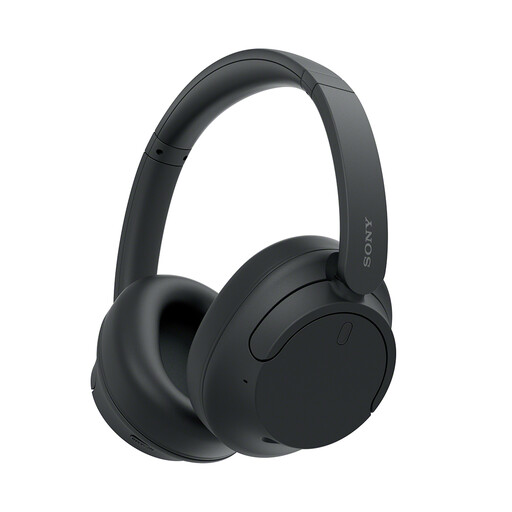 No image available
Consider this over-ear noise-cancelling model if outside sound disrupts recital listening. If you plan to use a cable, check its connection and whether playback works with the headphones switched off; assess the fit for a full programme.
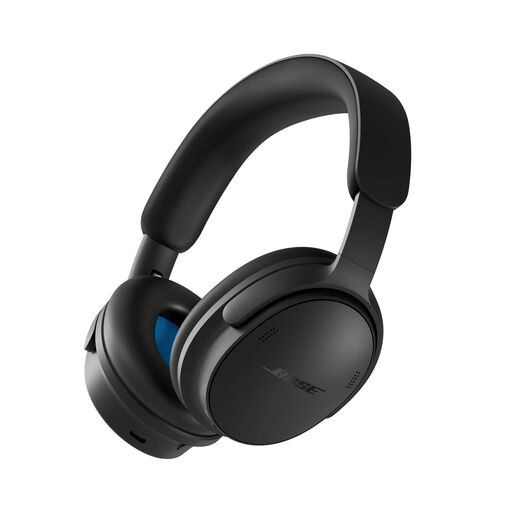 No image available
Consider this QuietComfort model if you want noise-cancelling headphones for listening in a busy setting. Confirm the exact model's USB audio capabilities and your source compatibility before relying on lossless playback; specifications for QuietComfort Ultra Headphones (2nd Gen) should not be assumed to apply.
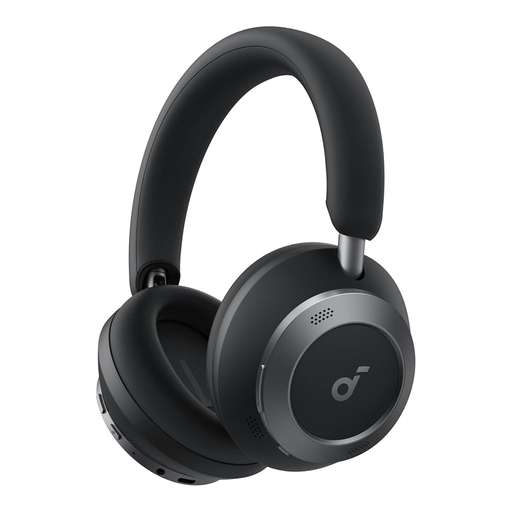 No image available
Consider this adaptive noise-cancelling model if you listen where background sound intrudes. Check that its wireless connection suits your player and confirm the available awareness controls if you need to hear people or announcements.
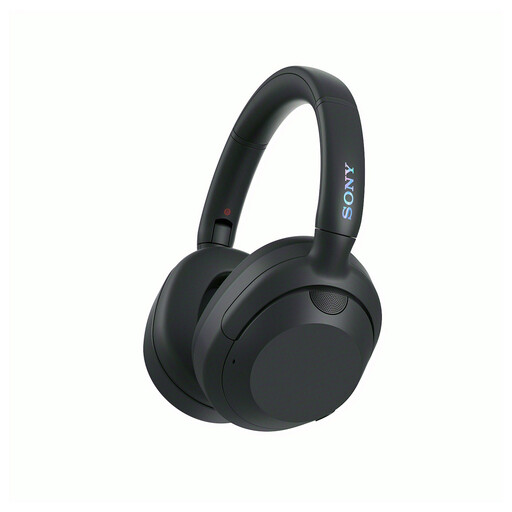 No image available
Consider this over-ear noise-cancelling model if you listen to recitals amid background noise. If wired listening is important, confirm the cable connection and how playback behaves when the headphones are switched off; check the fit during a longer session.
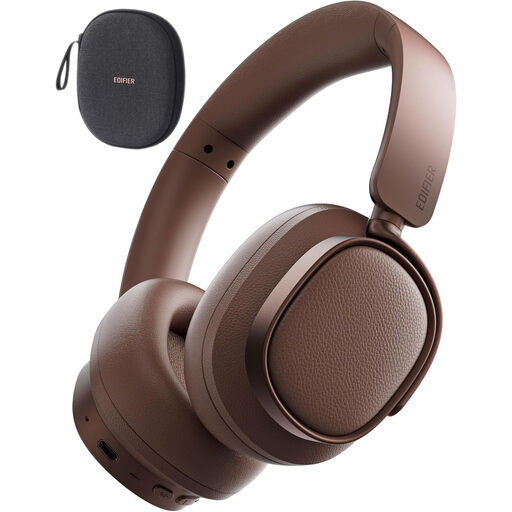 No image available
Consider this over-ear noise-cancelling model if you want to compare wired and wireless listening options for recitals. Confirm the wired connection, awareness controls and battery figure under the settings you intend to use before choosing it for a long programme.
Use noise cancellation when reducing background sound helps you hear the recital and you do not need to monitor your surroundings closely. Switch to an awareness mode or remove the headphones when you need to hear people, announcements or hazards; Bose UK, Sony UK and Sennheiser UK describe such controls on the models discussed above.
No: the connection alone cannot establish how a recording will sound. Bose UK says lossless USB-C playback on QuietComfort Ultra Headphones (2nd Gen) requires compatible sources and files and accepts 16-bit/44.1 kHz or 48 kHz signals; check your device and recording source before relying on that feature.
Take old electrical headphones to an appropriate recycling collection point rather than putting them in household rubbish, in line with UK government guidance on electrical waste and batteries.
Charge the headphones, test the connection you intend to use and set a noise-cancelling or awareness mode appropriate to your surroundings. Check these controls on your exact model; Sony UK describes app-based ambient-sound settings for the WH-1000XM6, but those settings should not be assumed for every headphone.