
24/7 Customer Support

Free returns

Same-day & Next-day Delivery

Quality Guaranteed

Unlock Your Welcome Offers: FREE Delivery | Up to 80% OFF | Free 30-day JoyPlus trial
Download the APP
Choosing non-alcoholic drinks should be straightforward, but product labels and marketing language can make comparison difficult. A bottle may look like wine, gin or beer while having a noticeably different flavour, sugar content or alcohol level.
For UK shoppers, the main risks are buying a drink that does not suit the occasion, overlooking allergens, or assuming that “alcohol-free” always means exactly 0.0% ABV. The following guide explains what to check before ordering alcohol-free drinks online, with practical recommendations for celebrations, social occasions and everyday refreshment.
Some alcohol-free wines and sparkling drinks may contain less than 0.5% alcohol by volume, while others are labelled 0.0% ABV. These are not identical descriptions. If avoiding alcohol completely is important, check the product specification rather than relying on the front-of-pack wording.
This is particularly relevant for designated drivers, people following a sober lifestyle and pregnant customers. Non-alcoholic products vary, so read the label and seek professional medical advice during pregnancy where appropriate.
Alcohol contributes body, warmth and mouthfeel. As a result, non-alcoholic wine, alcohol-free gin and non-alcoholic beer can taste lighter, sweeter, sharper or more botanical than their alcoholic counterparts.
Consider the drink’s intended use. A zero-proof spirit is generally designed to be mixed with tonic, soda or fruit, while an alcohol-free sparkling drink may be ready to pour and serve chilled. A malt beverage has a different flavour profile again, often with roasted, caramel-like or lightly sweet notes.
Some alcohol-free cocktails and fruit-based drinks contain considerable sugar, even where the packaging looks sophisticated. Check the nutrition panel per 100ml and per serving, especially for larger bottles.
Also review allergen information. Barley is common in non-alcoholic malt drinks and beer-style beverages, while sulphites may appear in dealcoholised wine and sparkling wine. Products containing aspartame should be avoided by people who need to manage phenylalanine intake.
Look for a clearly stated alcohol percentage and, where provided, UK alcohol units. For example, Belvoir Non-Alcoholic Lime & Yuzu Mojito is listed at 0.0% ABV, while Fine Sparkling Nozeco Rosé is listed at less than 0.5% vol. These products suit different requirements.
Do not assume every product in an alcohol-free category has the same specification. Check the individual bottle, can or case listing before placing an order.
Bottle size also matters. A 20cl or 25cl can can reduce waste when trying a new flavour, while a 70cl bottle or multipack may make more sense for hosting.
Read the full ingredients list rather than relying on terms such as “natural” or “premium”. Confirm whether the product is vegan, vegetarian or contains sulphites, barley or sweeteners.
Storage instructions can affect quality. Many sparkling drinks should be served chilled, while opened alcohol-free spirits commonly need refrigeration and should be consumed within the stated period. Always check the best-before date and avoid consuming products if the packaging is damaged.
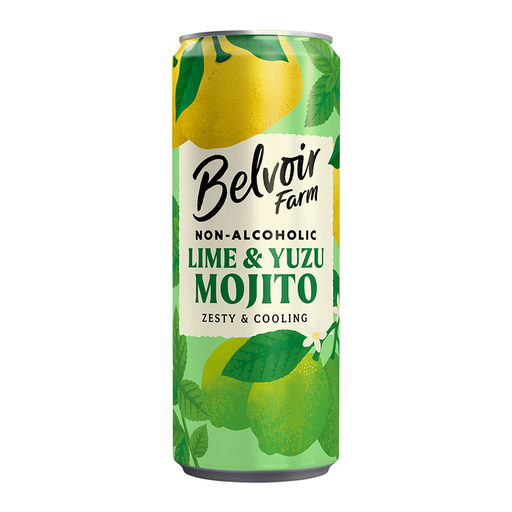
Why This Fits Their Persona: A single 250ml can offers a manageable way to try alcohol-free cocktails without committing to a large bottle or multipack. It is suitable for chilled serving over ice.
The listing states 0.0% ABV and provides ingredient and nutrition details, helping shoppers avoid unclear alcohol information.
250ml serving size; lime, yuzu and mint ingredients; suitable for vegetarians and vegans.

Why This Fits Their Persona: The 75cl bottle and fine bubbles make it appropriate for formal meals, gifting or a shared toast where presentation matters.
Its listing specifies less than 0.5% vol and identifies sulphites, allowing a more informed comparison than appearance alone.
75cl bottle; fine sparkling style; listed as vegan certified.
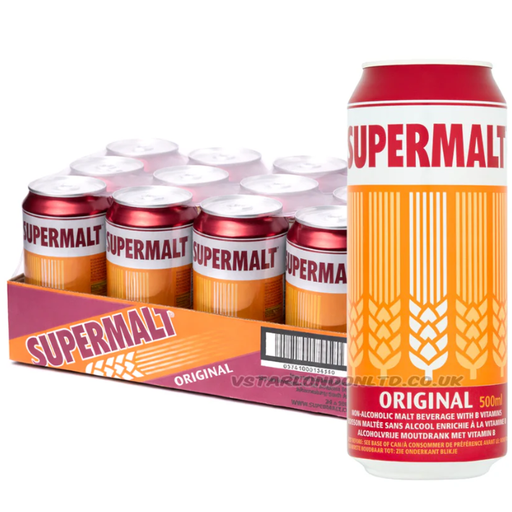
Why This Fits Their Persona: The 12-can format is practical for households, larger gatherings and regular chilled serving without repeated small purchases.
The pack description identifies barley, sugar and nutritional values, helping buyers assess ingredients before ordering in volume.
500ml cans; barley malt base; includes B vitamins as stated on the product listing.

Why This Fits Their Persona: A 70cl bottle provides a familiar base for alcohol-free gin and tonic serves, mocktails and shared drinks at home.
The listing states 0% alcohol and 0 units, rather than leaving the alcohol content implied by the bottle design.
70cl format; listed at 0% alcohol; 12 kcal per 100ml according to the product information.
We have compiled a complete, real-time list of products that fully satisfy these strict selection criteria and UK safety regulations.
Not always. Some products are labelled 0.0% ABV, while others state less than 0.5% alcohol by volume. Always check the individual product listing and packaging if complete avoidance is required.
Follow the product instructions. Sparkling wine and alcohol-free rosé are generally served chilled, spirits are commonly mixed with tonic or soda, and malt drinks are often enjoyed chilled. Once opened, refrigerate products where the label advises it.
The cost depends on bottle size, ingredients, brand and whether you buy single units or multipacks. A larger case can reduce the cost per serving, but a smaller can may be more economical when testing an unfamiliar flavour. Compare the price per 100ml or per serving before buying.